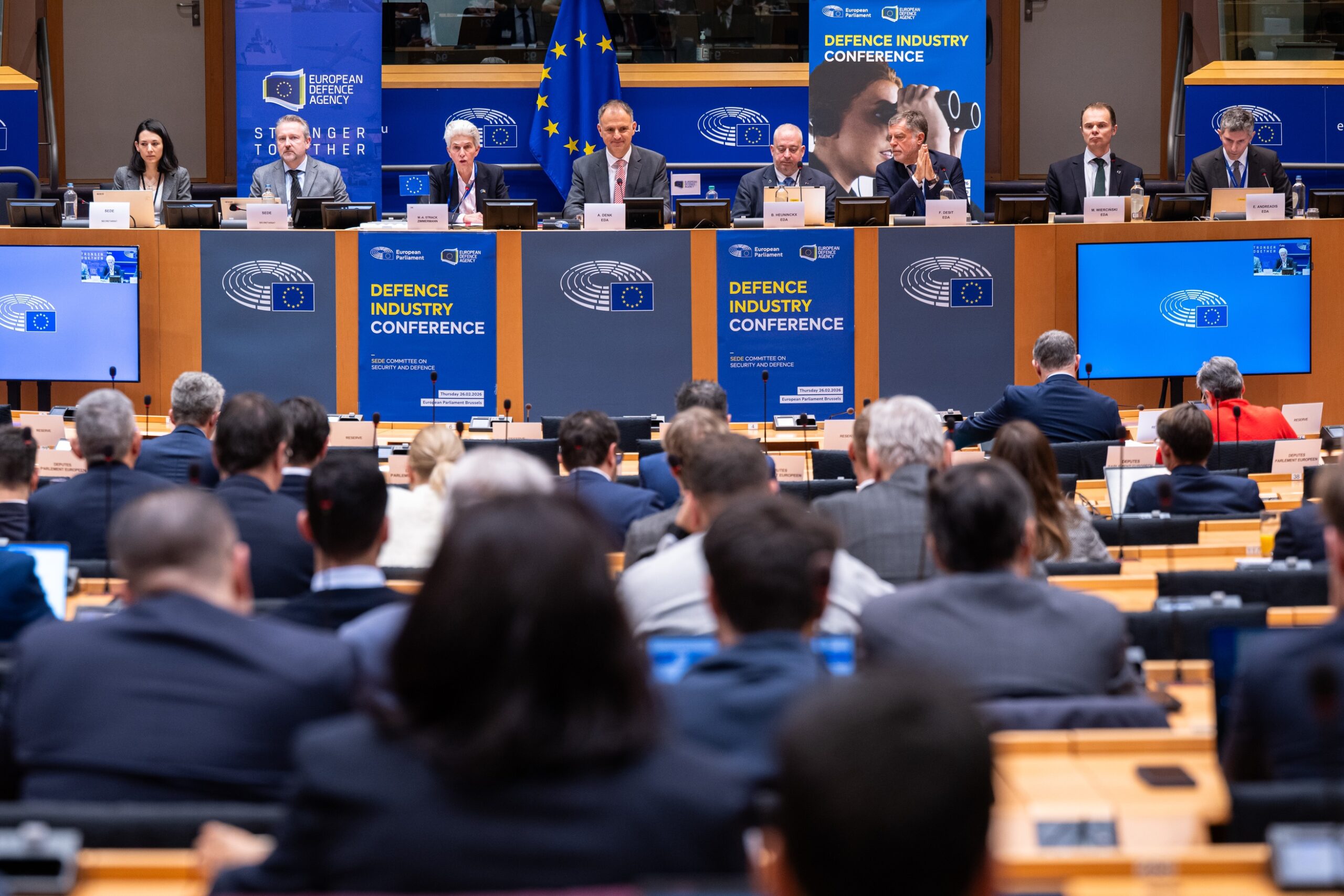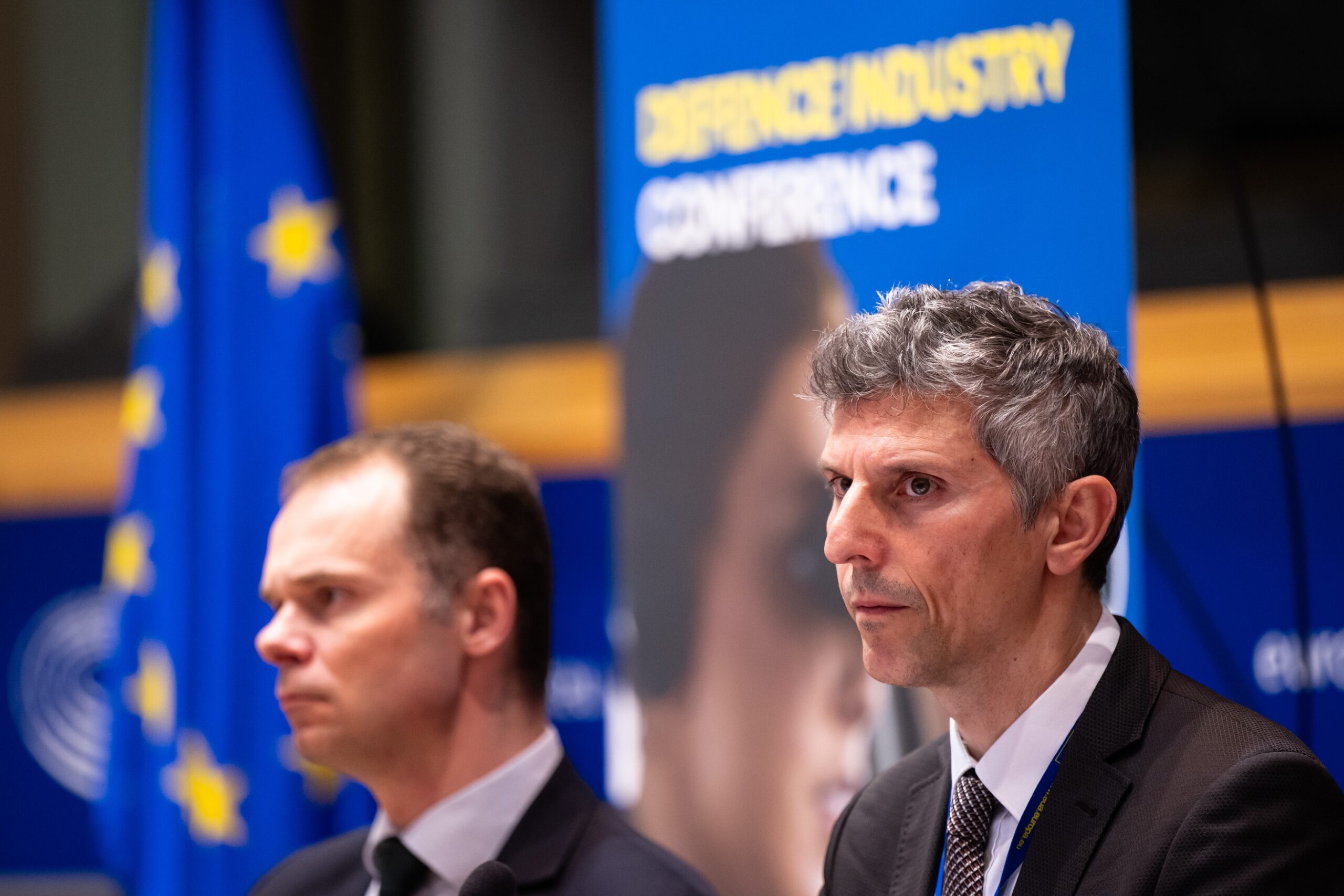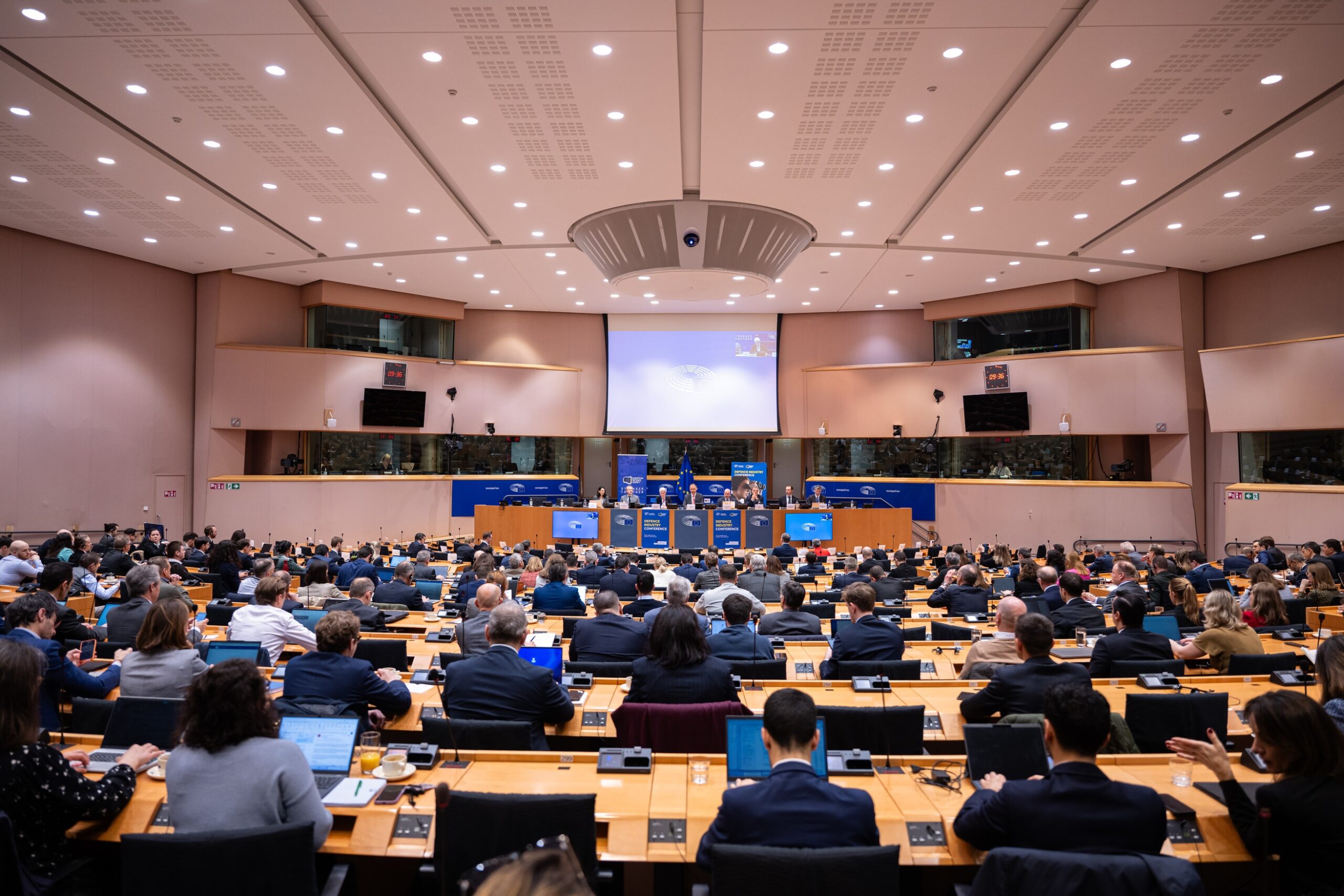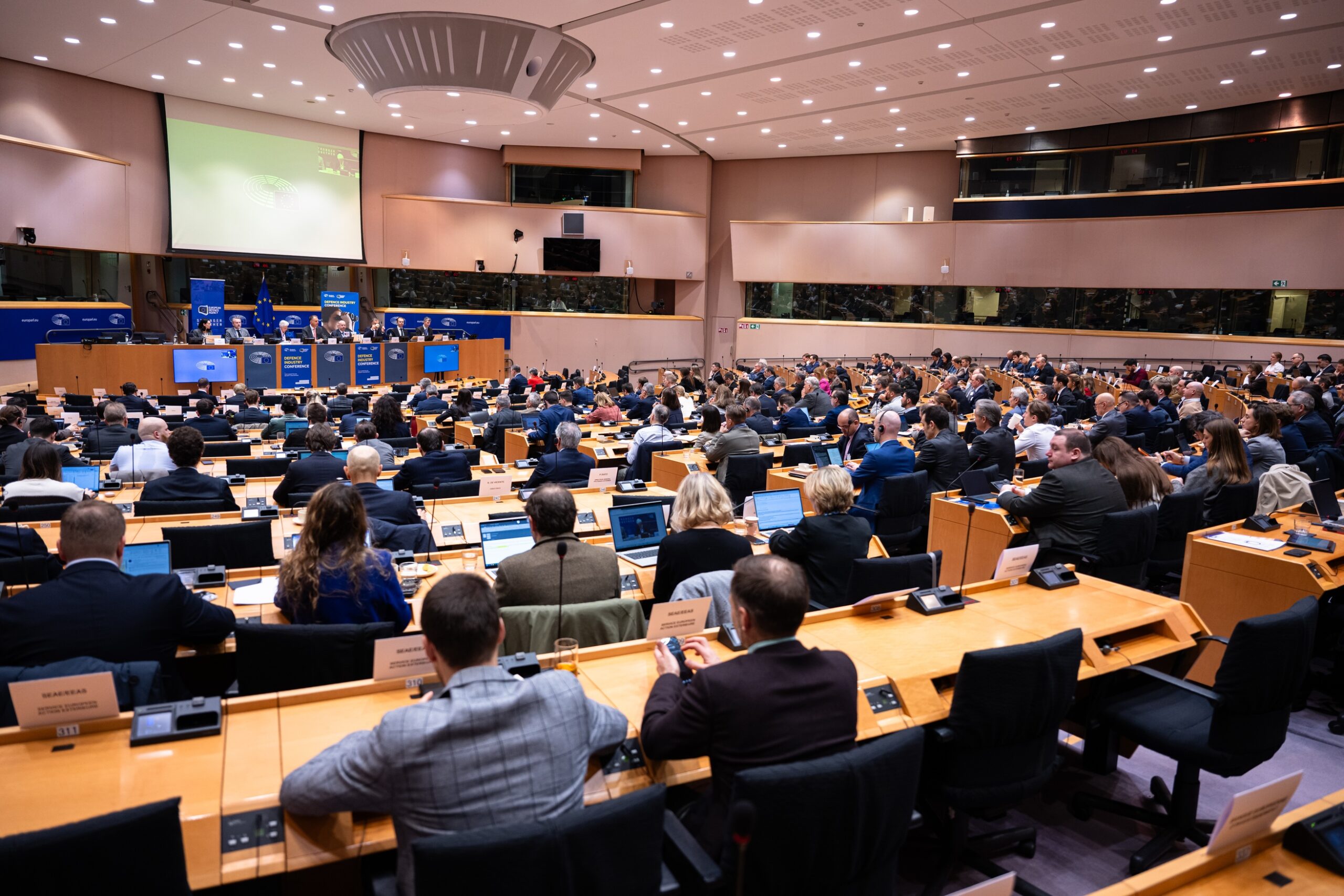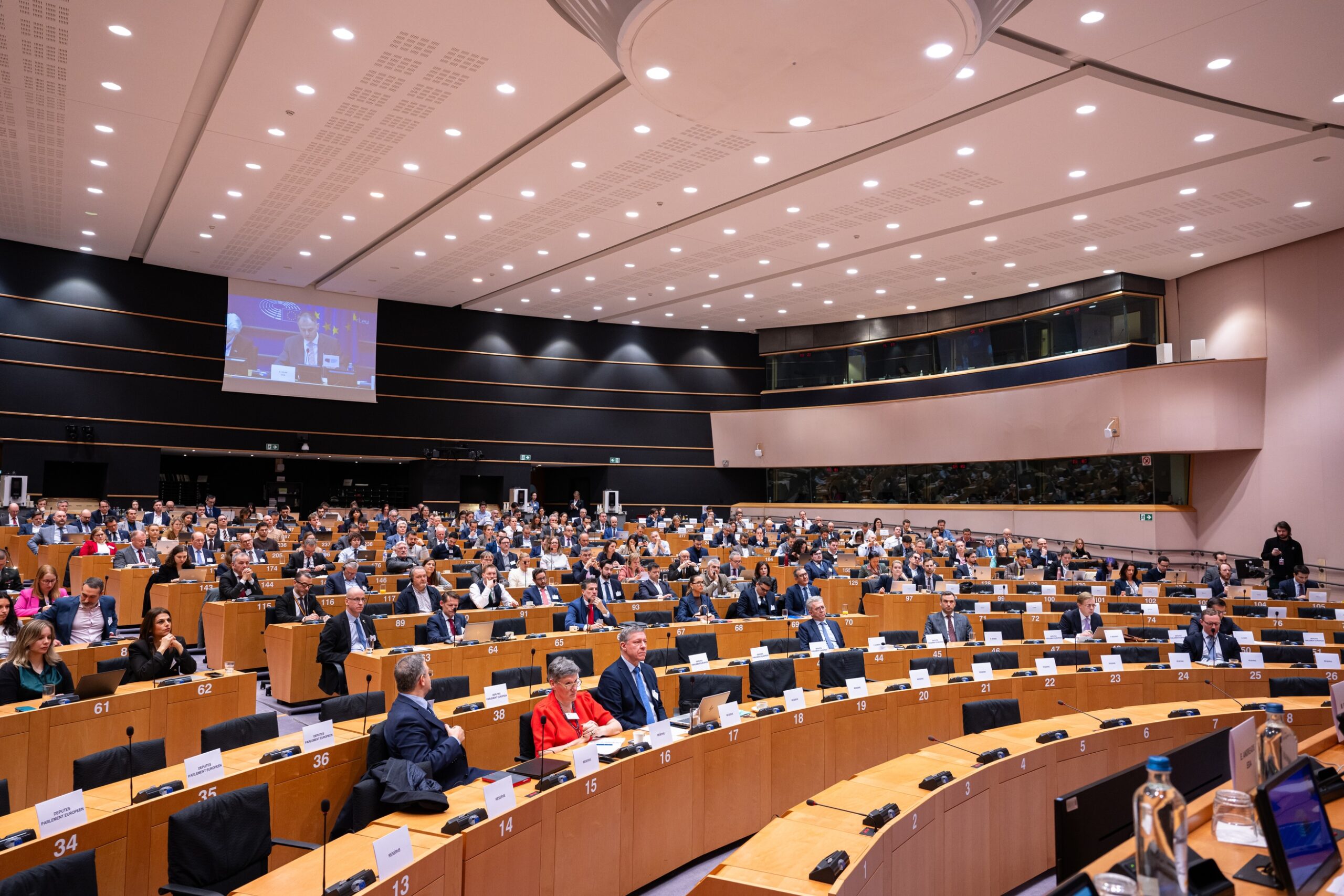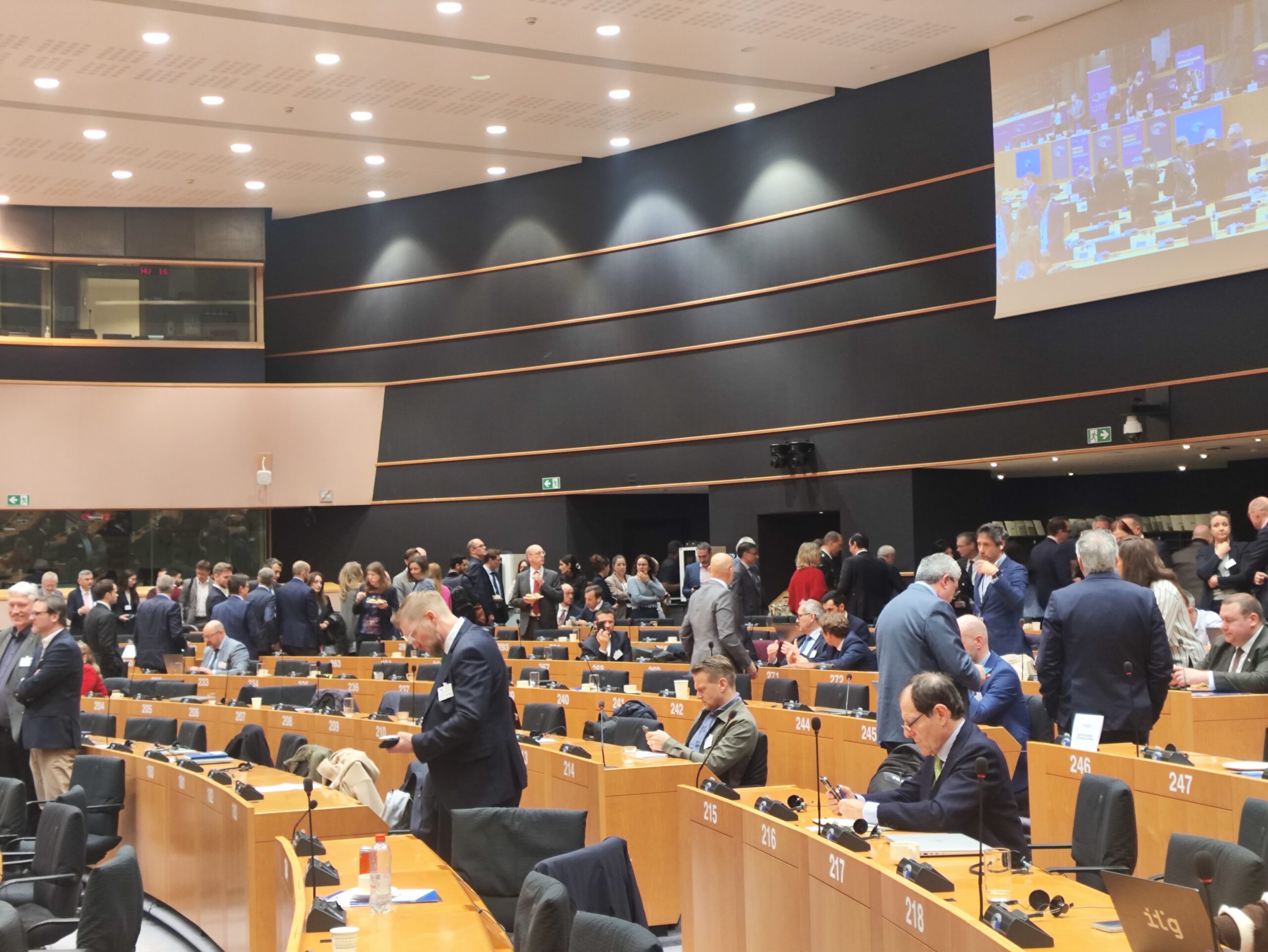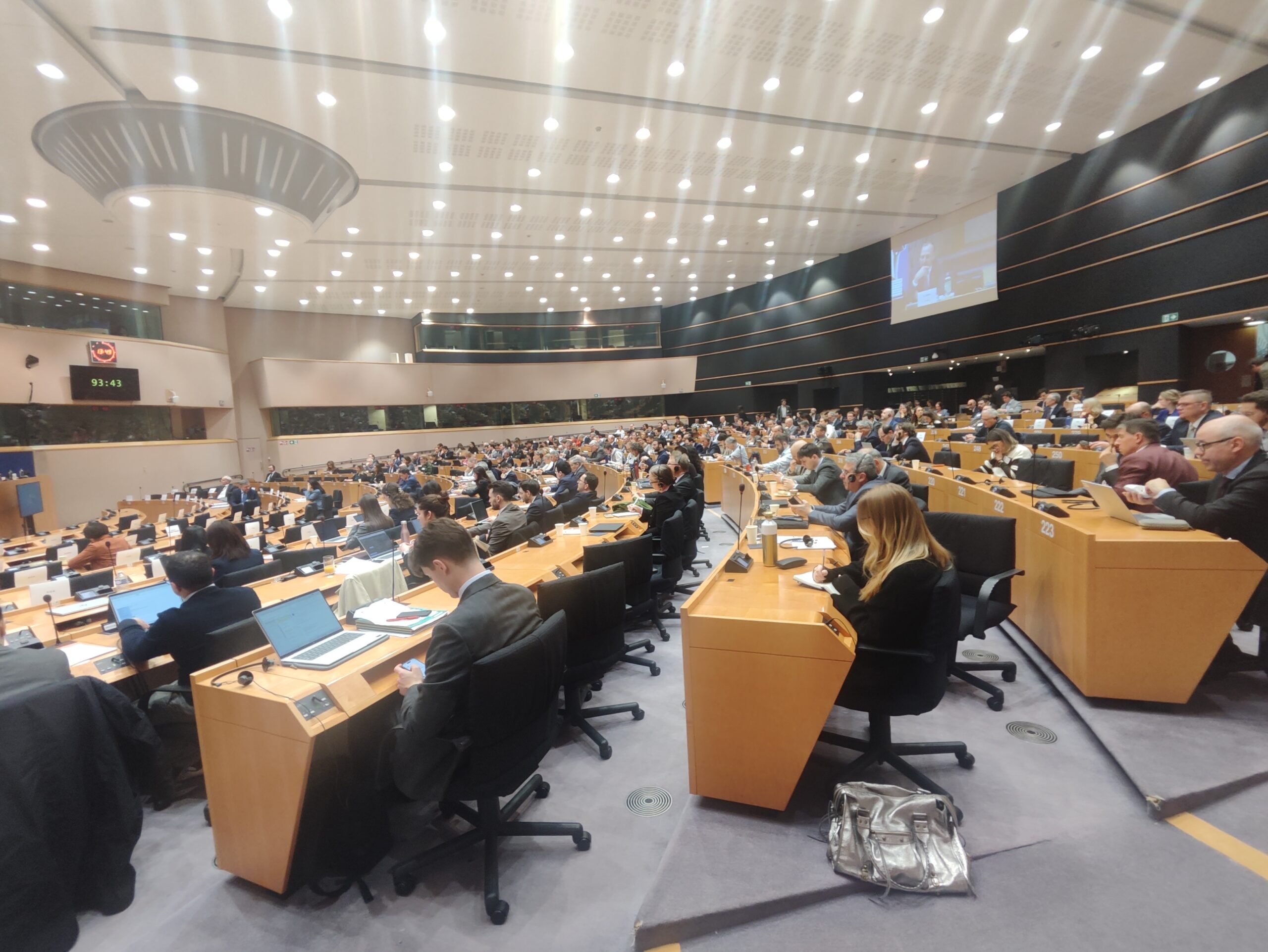
Amid the profound geopolitical shift that has reshaped Europe’s security landscape in recent years, and especially with the war in Ukraine entering its fifth year and transatlantic burden-sharing pressures intensifying, Europe’s defence industry finds itself at the centre of an existential debate: can the continent build the industrial capacity it needs to guarantee its own security? That question ran through every session of the EDA Defence Industry Conference 2026, hosted on 26 February at the European Parliament premises in Brussels. Organised by the European Defence Agency (EDA) in partnership with the European Parliament’s Committee on Security and Defence (SEDE), the conference brought together EU Member States, institutional representatives, and defence industry leaders to debate how Europe can accelerate progress under the Defence Readiness 2030 agenda.
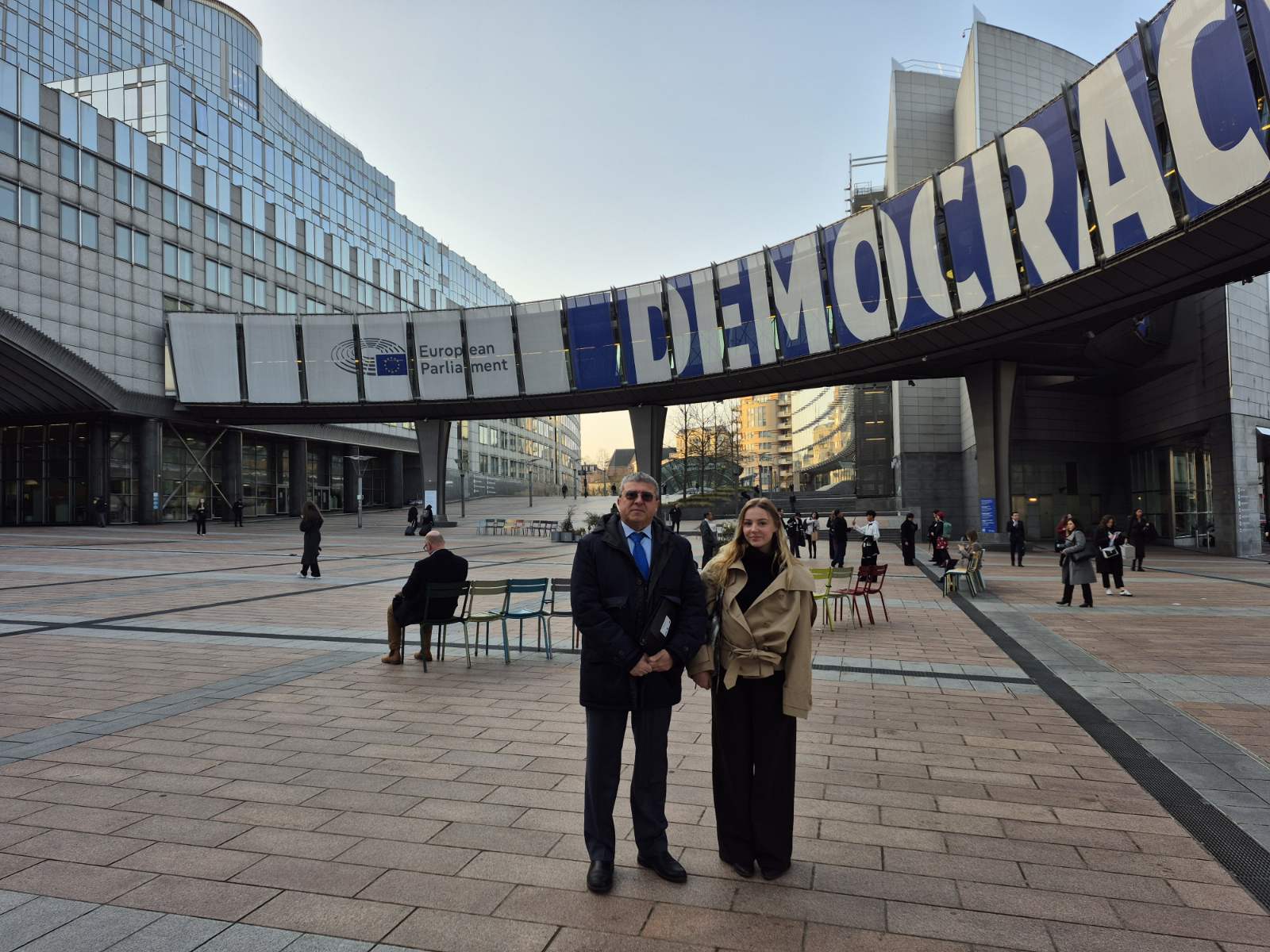
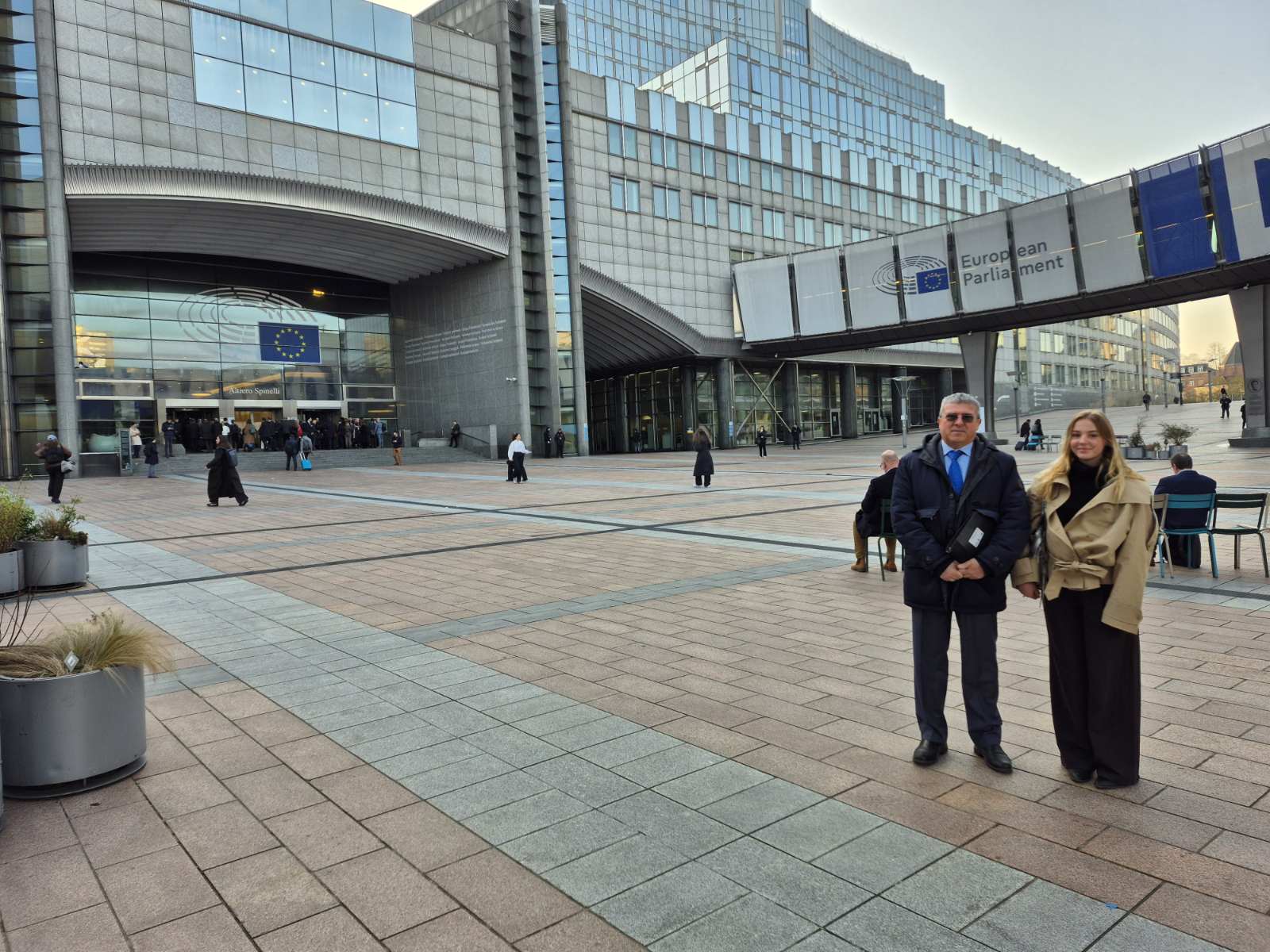
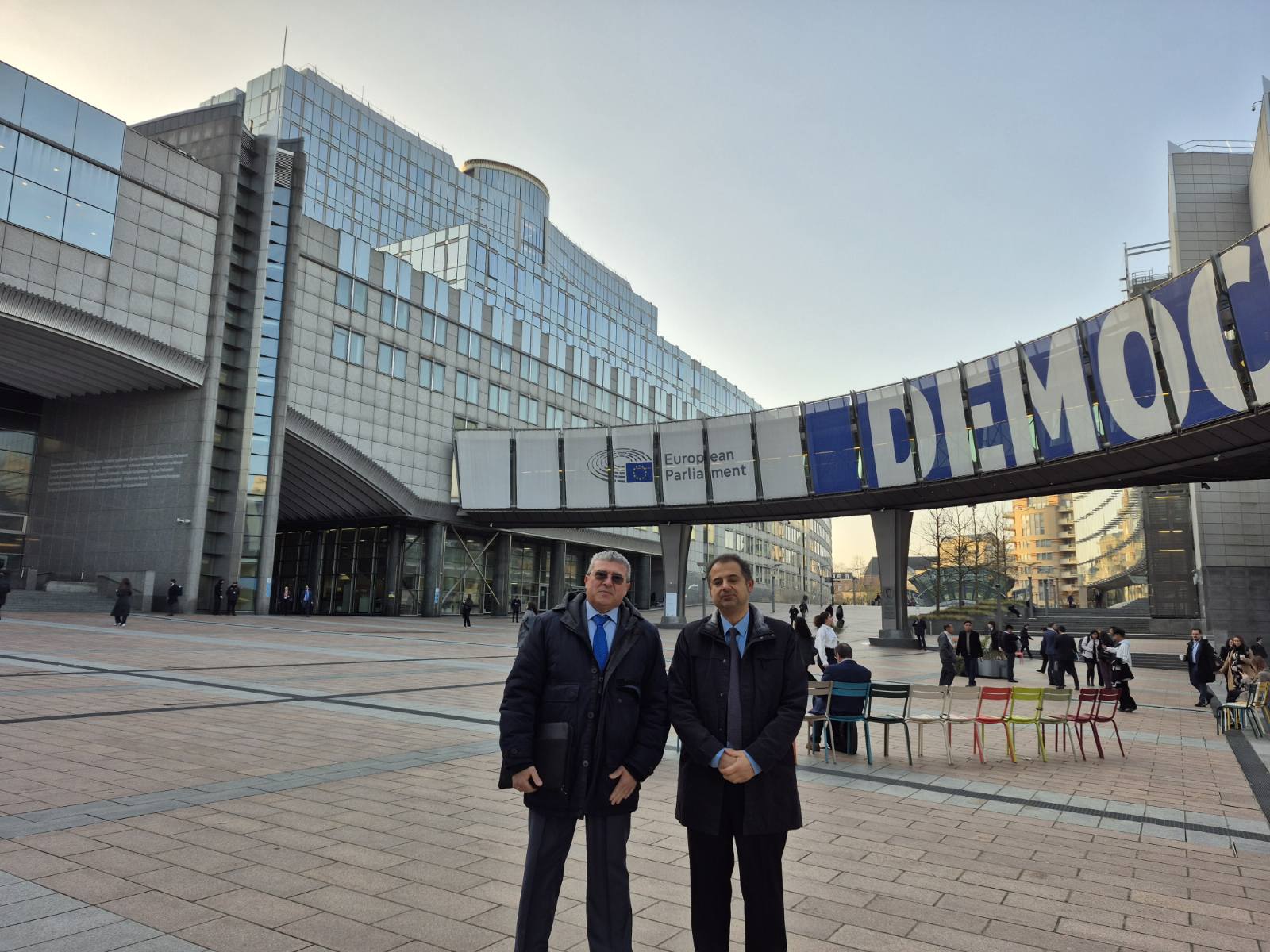
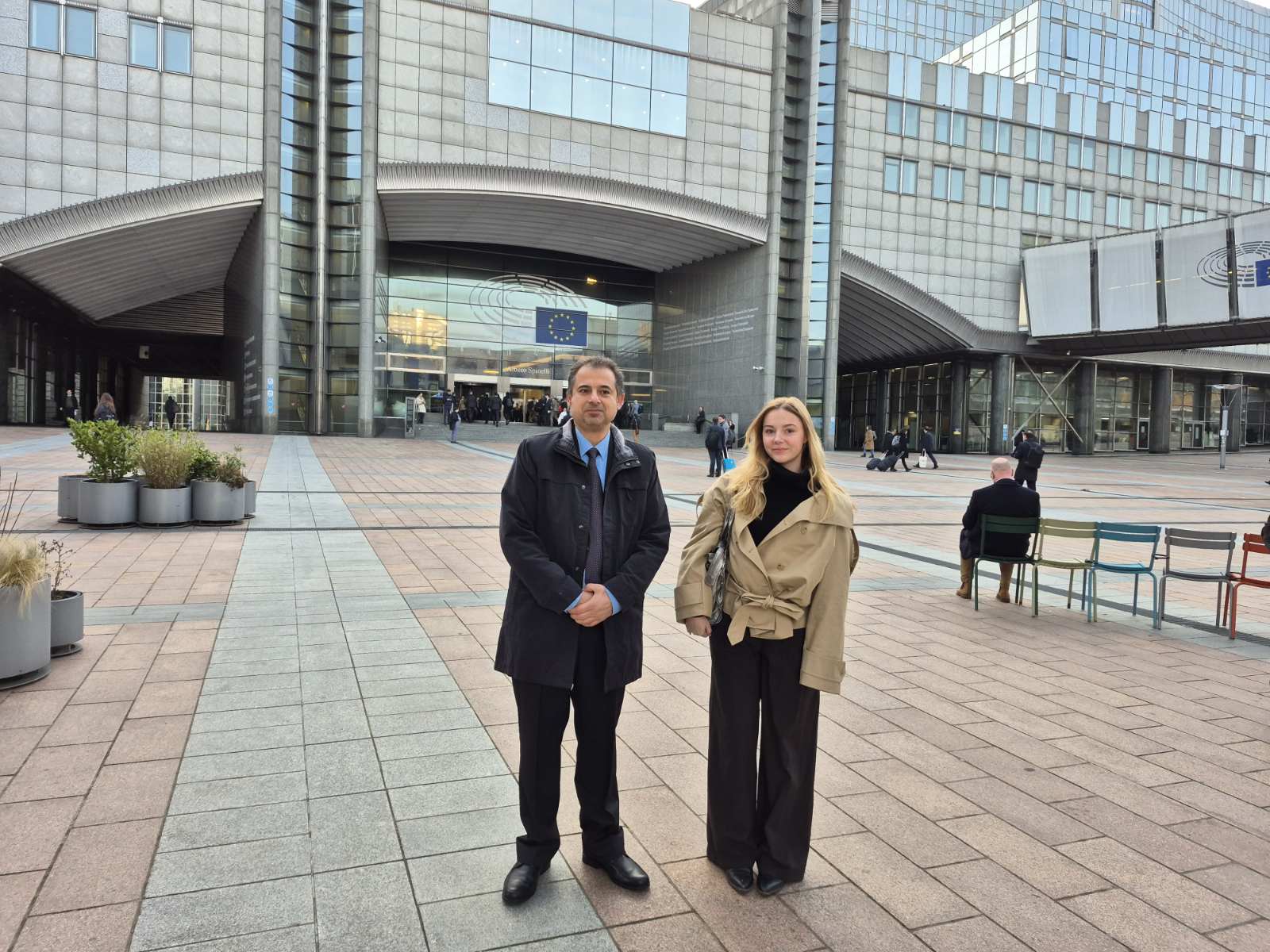
EUDIMA participated in the conference, engaging with the discussions on strengthening cooperation, interoperability, and supply chain resilience across Europe’s defence industrial landscape.
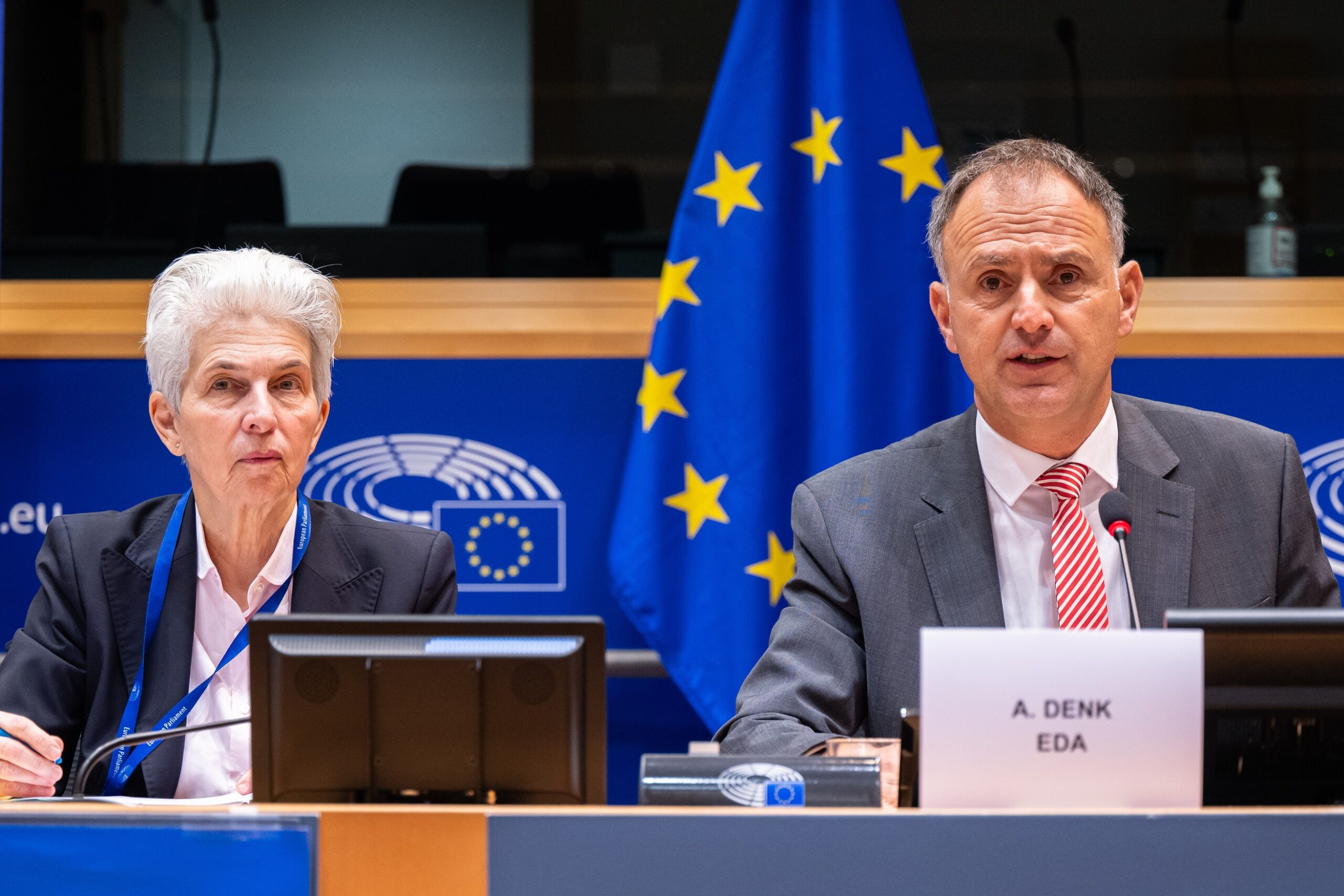
André Denk, Chief Executive of the European Defence Agency, set the tone with a clear-eyed assessment of where Europe stands. The EU, he argued, requires a defence industry capable of developing, producing, and delivering everything it needs, from basic products like ammunition to complex systems like airframes. That, he stressed, demands sustained investment to compensate for decades in which European defence budgets remained flat and industrial capacity eroded. At the same time, EDA’s Chief Executive acknowledged that the calls from Washington for a redistribution of the transatlantic burden have grown considerably louder in recent months, adding urgency to an already pressing agenda.
The figures underscored the scale of the shift underway. According to EDA data, EU Member States spent approximately €381 billion on defence in 2025, equivalent to 2.1% of GDP. Since 2022, the bloc has introduced a suite of instruments — the Act in Support of Ammunition Production (ASAP), the European Defence Industry Reinforcement through common Procurement Act (EDIRPA), Security Action for Europe (SAFE), and the European Defence Industry Programme (EDIP) — worth a combined €242 billion to support production and joint procurement. Industry is also set to benefit from €150 billion in loans under the SAFE instrument, with first disbursements already being processed for 16 Member States, while the European Commission has proposed a European Competitiveness Fund allocating €131 billion for defence, security, and space under the EU’s 2028–2034 long-term budget.
When challenged by an EU MP on whether such levels of spending were truly necessary, Denk was unequivocal: if Europe wants to deter Russian aggression in a convincing manner, it must ramp up its military and civilian resilience. That, he said, is a deliberate choice, and one that comes with a price.
Marie-Agnes Strack-Zimmermann, Chair of the European Parliament’s SEDE Committee, delivered what became the conference’s defining message. Higher spending alone, she argued, will not guarantee security. What matters is how that money is spent. Strack-Zimmermann called for more joint planning, joint development, joint production, and joint procurement not as a slogan, but as a method. Her appeal for fewer national wish lists, more common projects, less duplication, and more interoperability captured the prevailing sentiment in the room and gave the conference its headline.
That sentiment carried directly into the morning panel on strengthening cooperation and interoperability in the European defence industry, moderated by Eleftherios Andreadis of the EDA. The panel featured Dr Burkard Schmitt, Defence & Security Director at the Aerospace, Security and Defence Industries Association of Europe (ASD), alongside industry representatives including Isabelle Desjeux, Head of European Affairs at Safran Electronics & Defense, Olympios Raptis of THEON International, Michel Honlet, and Horia-Razvan Botiș, Vice-Chairman of NATO-NIAG. MEPs Lucia Annunziata (S&D, Italy), Tobias Cremer (S&D, Germany), and Nicolás Pascual de la Parte (EPP, Spain) also contributed to the exchange. The discussion explored how Europe’s fragmented defence market can evolve towards greater scale, with industry voices stressing the need for long-term predictability in procurement and streamlined regulatory frameworks that enable cross-border cooperation.
Raptis offered a compelling industry perspective, noting that European defence has moved from the era of “share it or lose it” to one of “share it to win.” Drawing on THEON International’s experience as the 2025 European Small and Mid-Cap Star of Innovation, exporting to over 70 countries including 26 NATO allies, he argued that the track record of European SMEs and mid-caps should inspire confidence in Europe’s ability to procure jointly, through OCCAR, NATO, SAFE, and EDIP alike. At the same time, he cautioned that not all Member States possess the resources, know-how, or political will to group with others and absorb upcoming EU funds, and that industry may be reluctant to engage fully with countries unwilling to make use of these instruments.
A particularly animated debate also arose around the concept of “European preference”, the principle that Member States should prioritise purchasing military equipment from European suppliers when using EU-funded instruments. Proponents, including ASD, have described this as a strategic imperative for strengthening Europe’s resilience, security of supply, and freedom of action. Others cautioned that the principle must be implemented pragmatically, avoiding the antagonisation of key allies while ensuring that European industry has the capacity to meet demand. The discussion reflected a broader tension in European defence policy between strategic autonomy and transatlantic interdependence, a tension that EDIP’s requirement for at least 65% EU-origin components already begins to address.
The afternoon sessions turned to equally pressing concerns around supply chain resilience, anchored by institutional briefings that provided concrete updates on the evolving European defence funding landscape. Evy Papantoniou, Head of Unit at the European Commission’s Directorate-General for Defence Industry and Space (DG DEFIS), updated delegates on defence industry matters, while Oliver Cusworth, Senior Policy Advisor at the European Investment Bank’s Defence and Security Office, outlined the EIB’s expanding role in defence-related financing. The European External Action Service (EEAS) delivered a keynote address providing the strategic and geopolitical context for the discussions that followed.
The second panel, focused on institutional and industry efforts to secure defence supply chains. brought together perspectives from across the ecosystem. Dr Baudouin Heuninckx, Acting Director for Industry, Synergies and Enablers at the EDA, and Franck Desit, EDA Deputy Director for Capability, Armament and Planning, were joined by Edouard Simon, Team Leader for Defence Industrial Policy at the European Commission, Carl-Johan Lind, Policy Officer for Industry Engagement and EU Policies at the EDA, and further industry and parliamentary contributors. The panel addressed the critical question of how Europe can ensure the timely availability of defence products even in crisis scenarios, with participants noting that the establishment of a first-ever EU security of supply framework under EDIP represents a significant step forward, though its effectiveness will depend on how swiftly Member States and industry align on implementation.
The link between Europe’s industrial capacity and its support for Ukraine featured prominently throughout the day. Denk underlined that the EU has become the largest provider of military, financial, and humanitarian assistance to Ukraine, and that Ukraine’s fate is therefore partially linked to the European defence industry’s ability to produce and deliver the capabilities Kyiv needs. The separate €90 billion Ukraine loan, of which €60 billion is directed towards strengthening Ukraine’s defence industrial capacity and equipment purchases, underscored the depth of this commitment.
For EUDIMA, the EDA Defence Industry Conference provided a truly valuable point on the rapidly evolving European defence landscape. The discussions reinforced several dynamics that are central to EUDIMA’s advisory work: the acceleration of EU-level defence instruments, the growing emphasis on joint procurement and interoperability, the expanding role of EU funding as a driver of industrial cooperation, and the ongoing challenge of translating political ambition into operational capability. Understanding how these instruments interact, from SAFE’s loan-based procurement mechanism to EDIP’s grant-funded industrial reinforcement and the European Defence Fund’s R&D pipeline, is essential for any organisation seeking to position itself within the European Defence Technological and Industrial Base (EDTIB). Beyond the formal programme, the conference also provided EUDIMA’s team with the opportunity to hold numerous bilateral exchanges on the margins of the event, with representatives of the European defence industry, EU institutional officials, industry associations, and Members of the European Parliament, thus reinforcing EUDIMA’s network and deepening its understanding of the strategic priorities shaping the sector.
Europe’s defence industry stands at an inflection point. The instruments are in place, the budgets are mobilising, and the political consensus around the need for greater European defence capability has never been stronger. The challenge now is execution, turning commitments into contracts, fragmented markets into interoperable ecosystems, and political declarations into industrial output. The EDA Defence Industry Conference 2026 demonstrated that this challenge is understood across institutions, industry, and Member States alike. What remains to be seen is whether the pace of delivery can match the urgency of the threat.
With the first SAFE disbursements expected in March 2026, EDIP’s implementation now underway, and negotiations for the EU’s 2028–2034 long-term budget gaining momentum, the coming months will be decisive. EUDIMA will continue to follow these developments closely, supporting its clients in navigating the opportunities and complexities of Europe’s expanding defence ecosystem.
EUDIMA extends its thanks to the European Defence Agency and the SEDE Committee for organising and hosting this important conference, and to the EDA team, in particular Eleftherios Andreadis, for the outstanding preparation and delivery of the event.