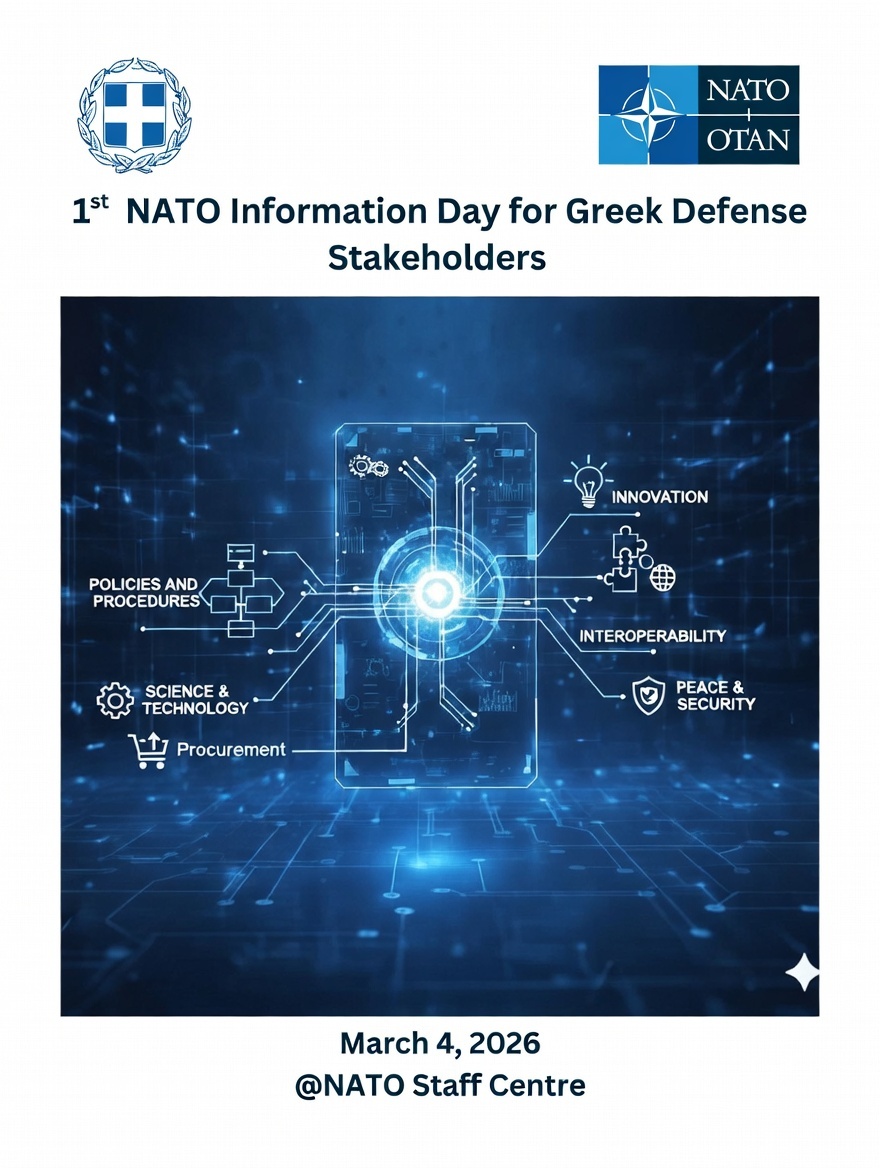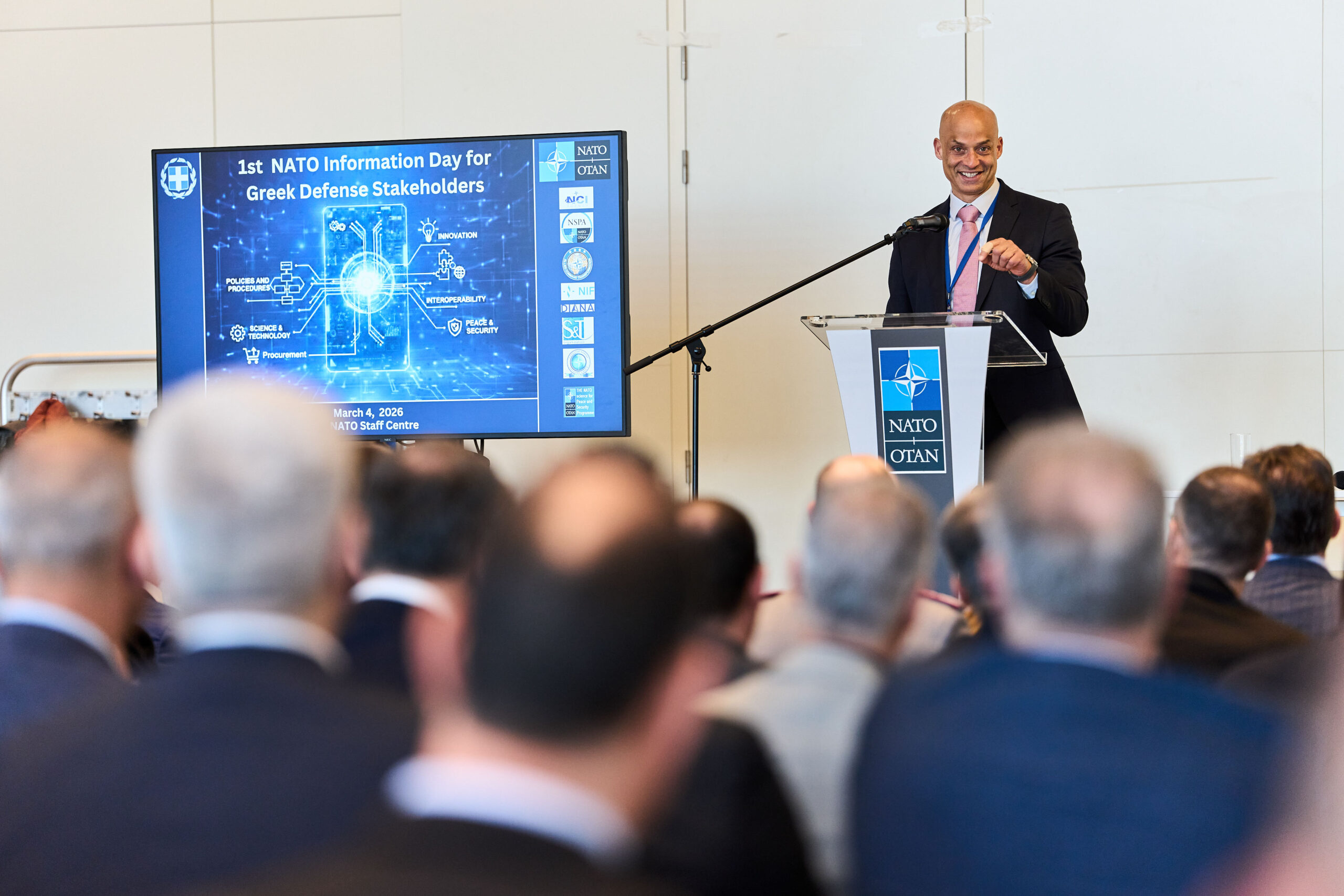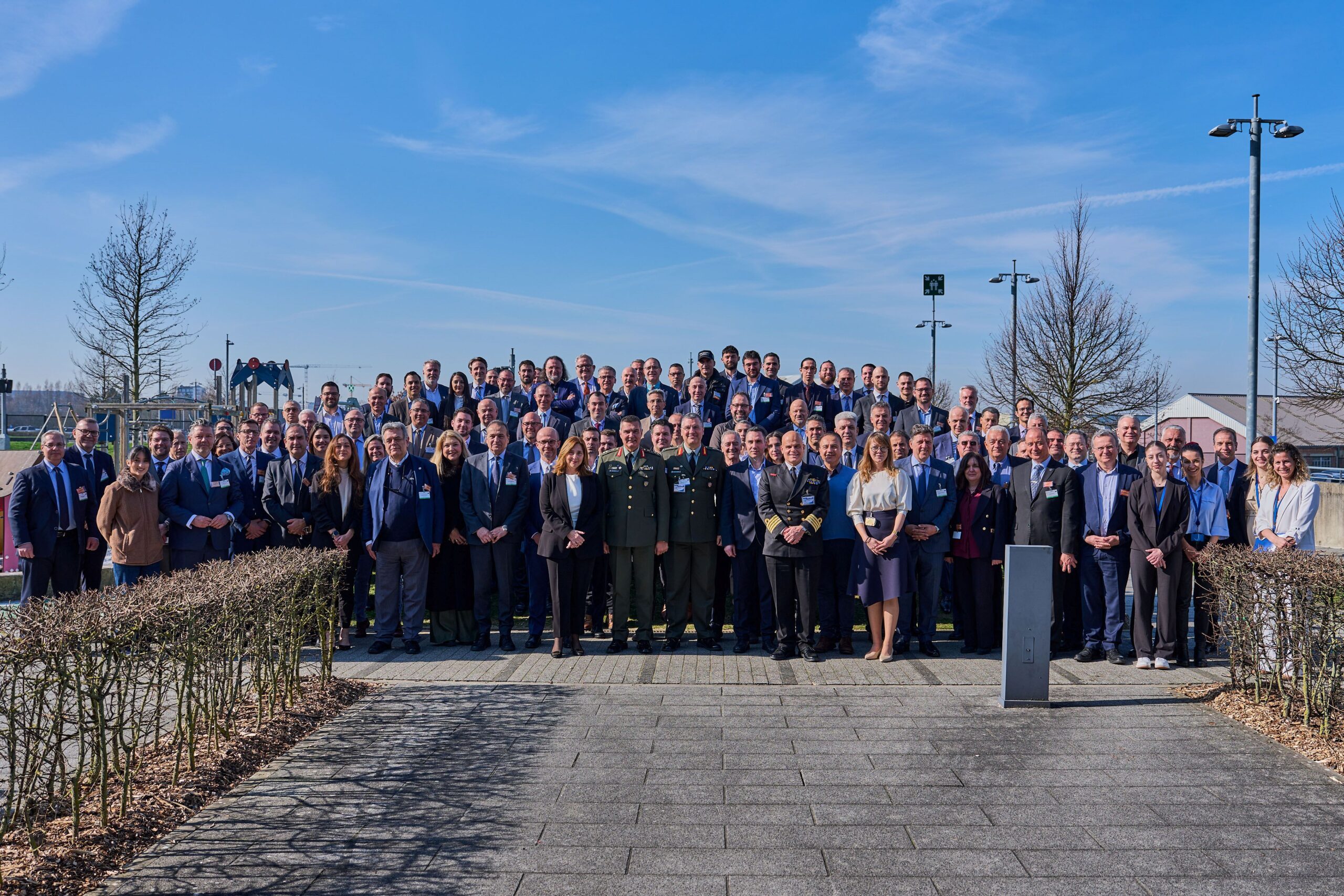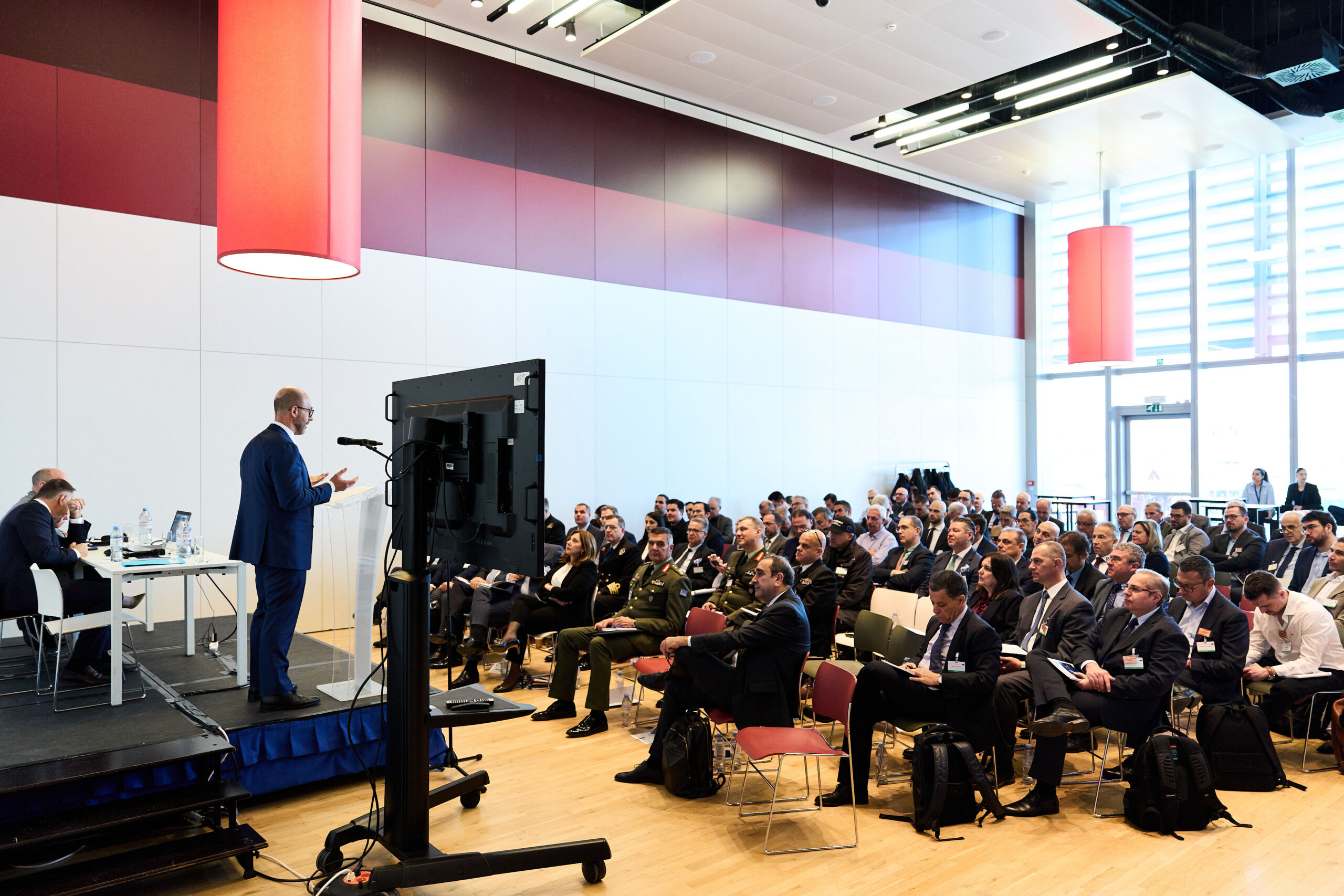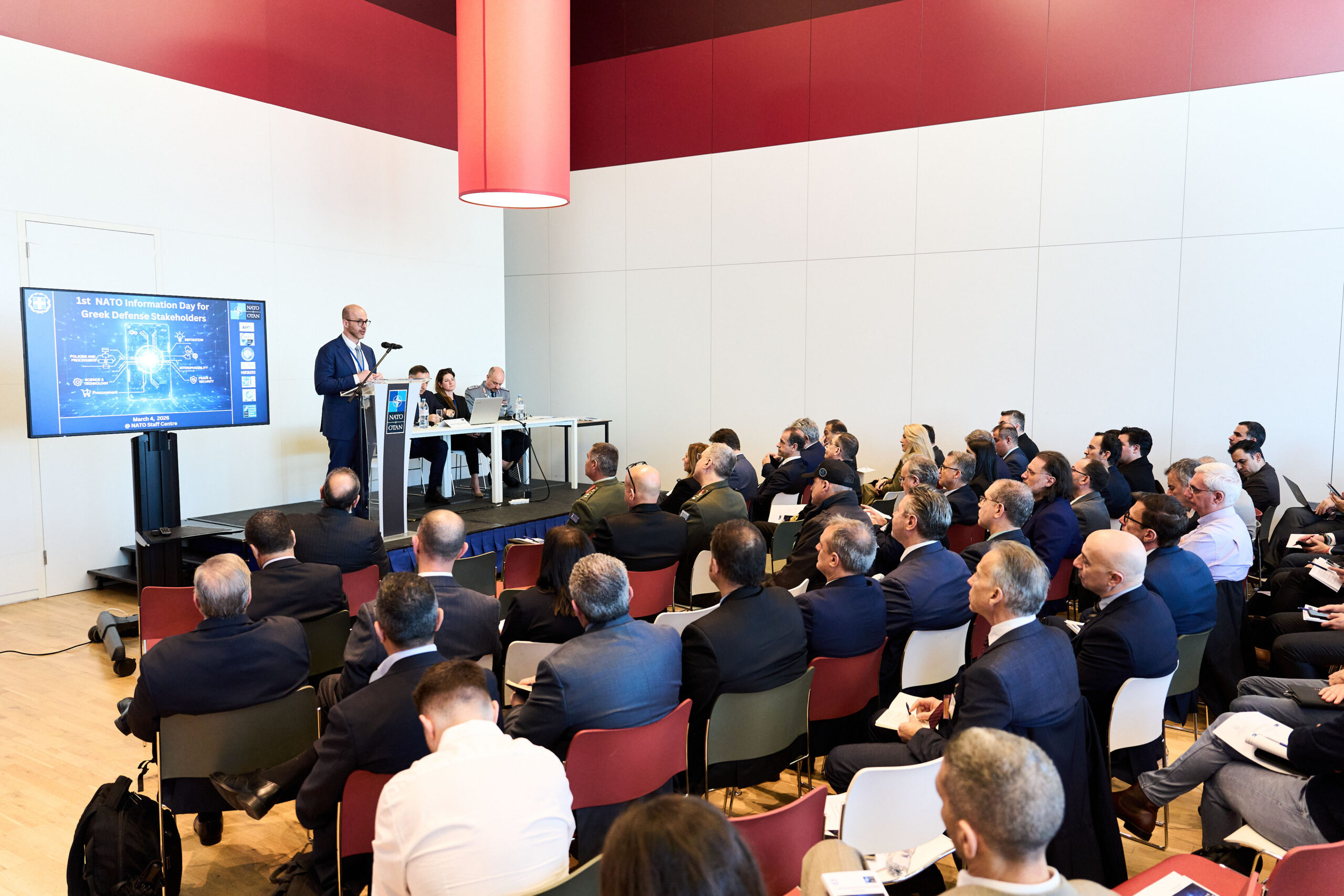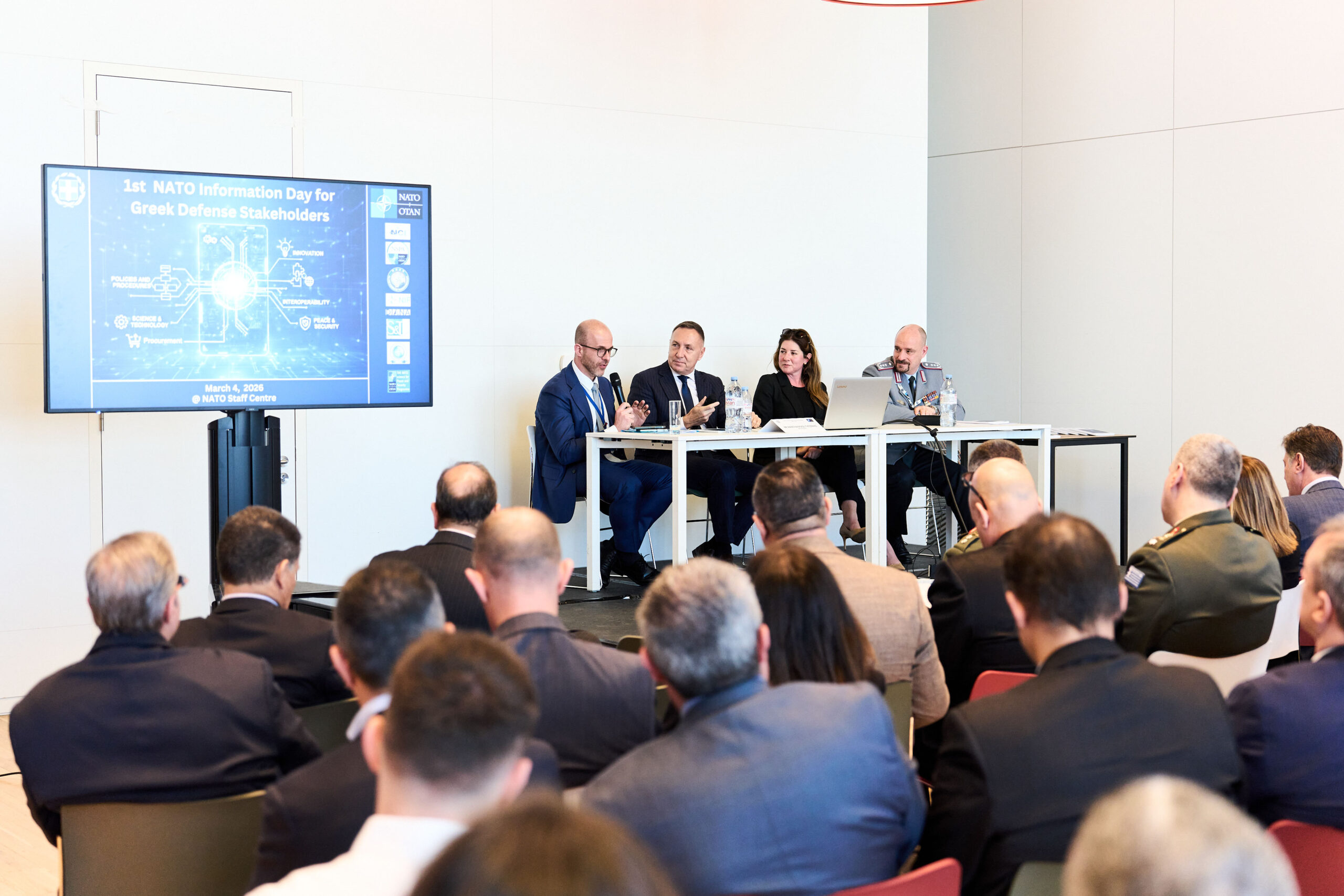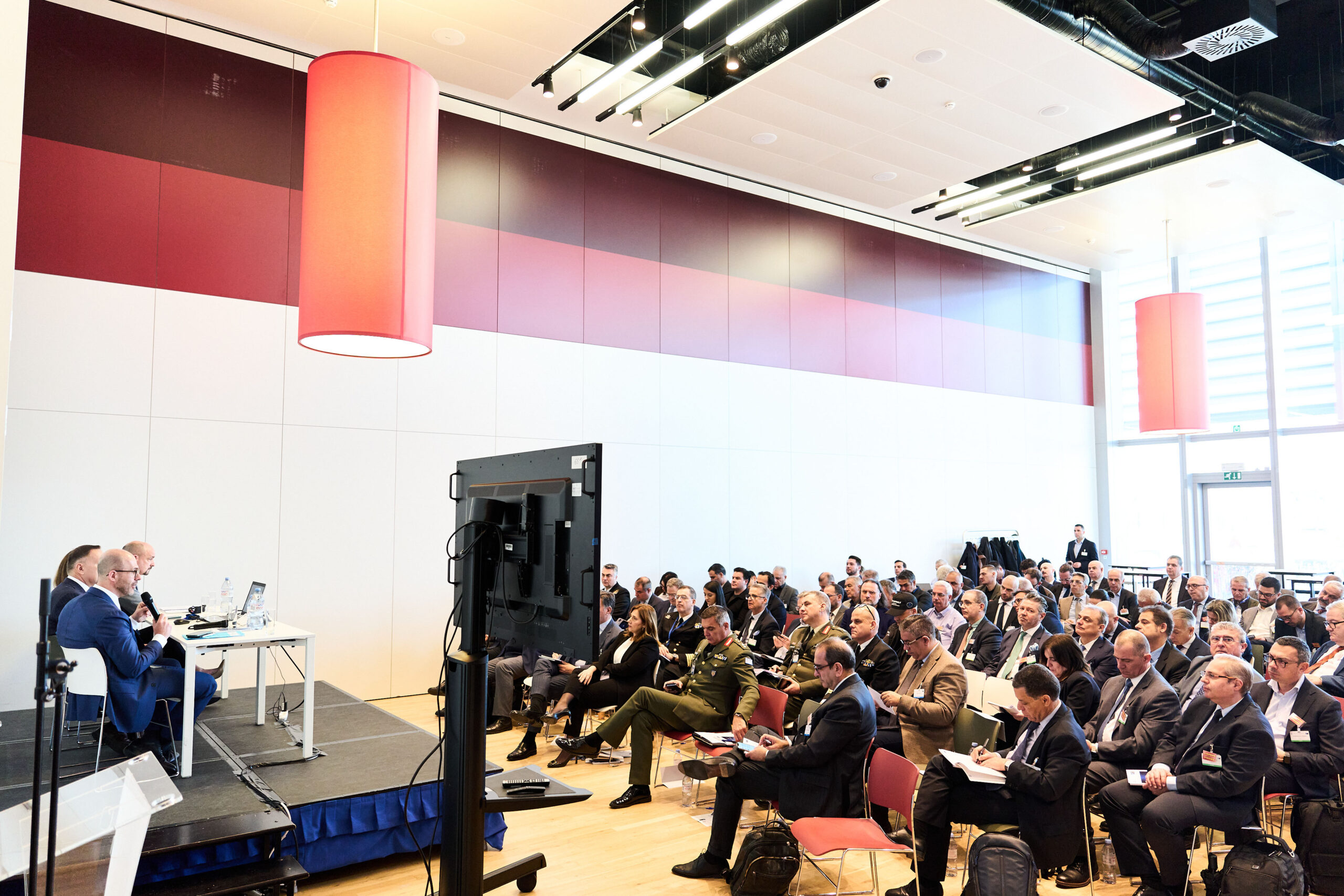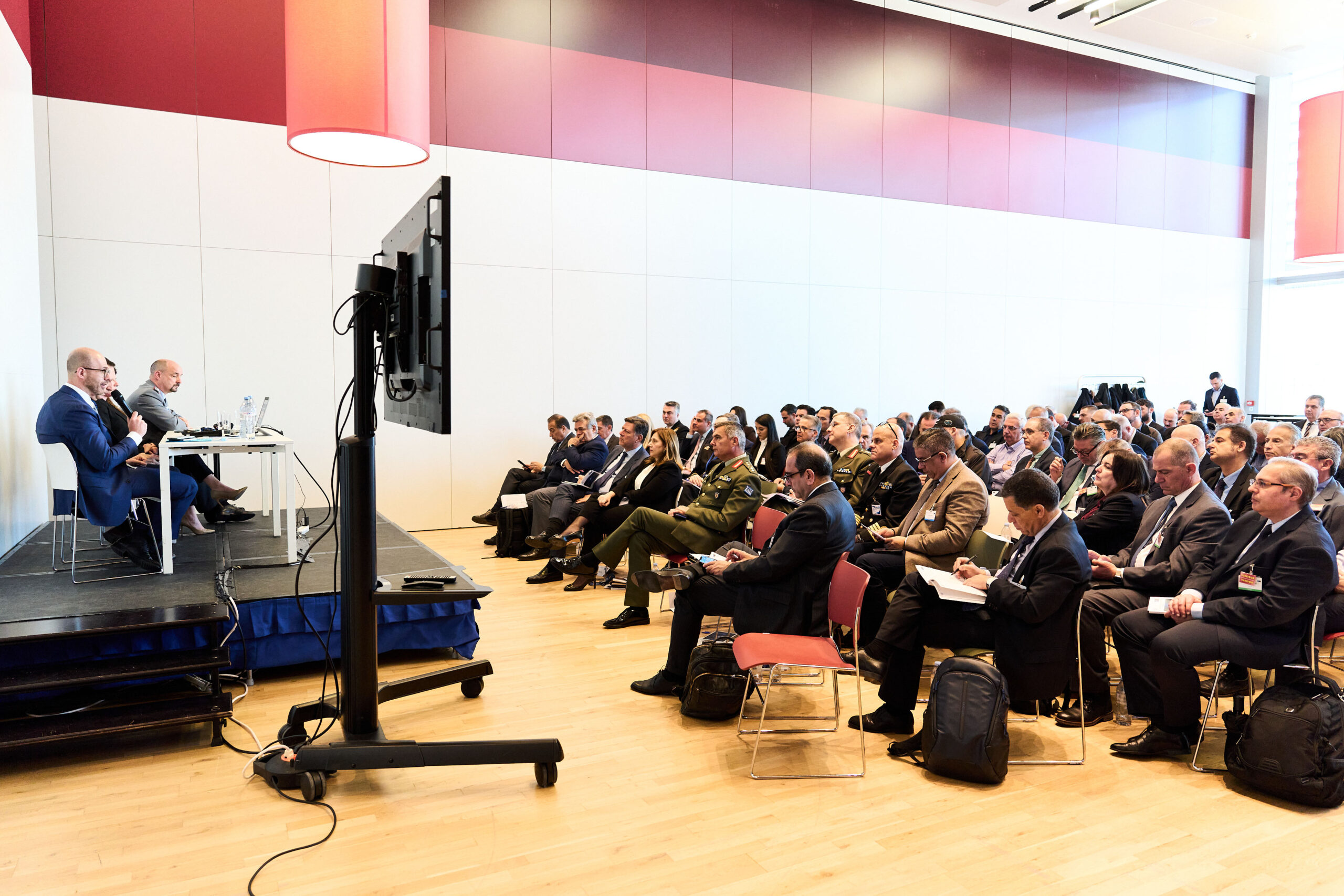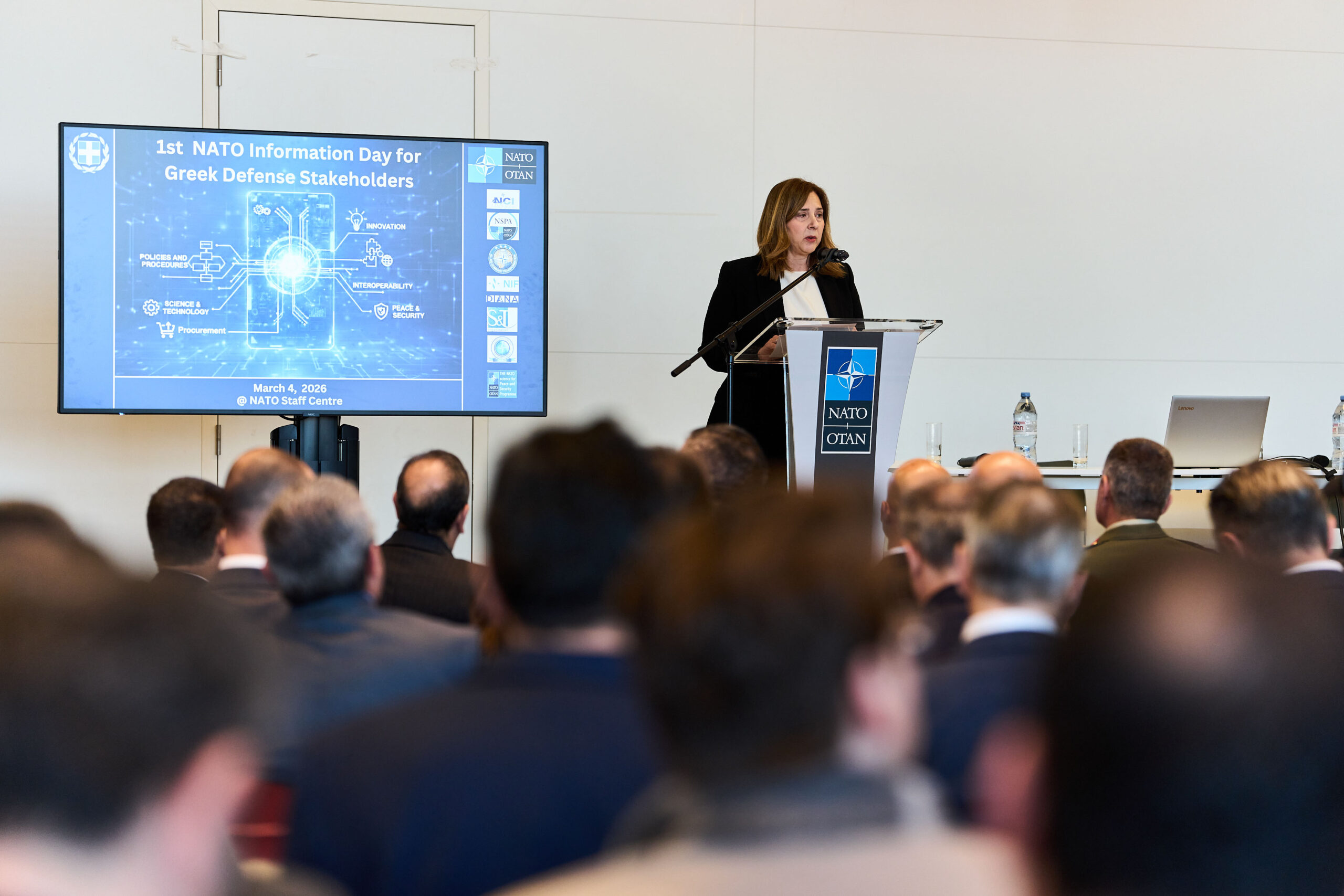
At a time when the Alliance is recalibrating its industrial and technological ambitions at an unprecedented pace, the Permanent Delegation of Greece to NATO convened the 1st NATO Information Day for Greek Defence Industry Stakeholders on 4 March 2026 at NATO Headquarters in Brussels, an event designed to bridge Greece’s defence industry directly with the full spectrum of NATO’s innovation, procurement, research, and standardisation mechanisms. EUDIMA attended the Information Day and engaged with participating companies, NATO officials, and representatives of the Greek Permanent Delegation throughout the event.
The timing was anything but coincidental. Less than a year after the Hague Summit, where Allies committed to investing 5% of GDP annually on defence by 2035, at least 3.5% for core military requirements and up to 1.5% for infrastructure protection, cyber resilience, innovation, and industrial development, the demand for capable industrial partners across the Alliance has never been more acute. The event, organised by Ambassador Vasiliki Gounari, Permanent Representative of Greece to NATO, placed the Greek defence ecosystem at the centre of that conversation.
A Strategic Framework for Industry Engagement
The Information Day was structured around four thematic pillars, Innovation and Technology, Procurement, Research and Science, and Interoperability and Standardisation, each addressed by senior representatives of the relevant NATO bodies. Panel discussions were moderated by journalist Fanis Papathanassiou and Dr. Elena Lazarou, Director General of the Hellenic Foundation for European and Foreign Policy (ELIAMEP).
Ambassador Gounari opened the event by framing the moment: in a rapidly shifting geopolitical environment, Greece’s defence industry must seize the opportunities emerging both nationally and within the Alliance. Major General Ioannis Bouras, General Director for Defence Investments and Armaments (GDDIA), reinforced this by placing the Information Day in the context of strategic necessity, aligning national requirements with Alliance needs is both an obligation and an opportunity for Greek industry.
The keynote address was delivered by Dr. Nikos Loutas, Director of Innovation at NATO’s Innovation, Hybrid and Cyber Division, stepping in for Robert Weaver, Deputy Assistant Secretary General for Defence Investment, who was unable to attend. Dr. Loutas outlined the strategic landscape across three critical axes: the unprecedented scale of new defence spending commitments, the imperative to strengthen the Alliance’s industrial base, and the accelerating drive to adopt emerging technologies for operational use.
On the spending dimension, Dr. Loutas referenced the Hague Summit’s 5% GDP commitment and the ambitious new capability targets approved by NATO Defence Ministers in June 2025, which prioritise air and missile defence, with a fivefold increase in required capabilities, long-range strike, logistics, and large-scale ground manoeuvre formations requiring thousands of additional armoured vehicles and millions of artillery rounds. He underscored that the Alliance’s current production capacity falls short of these targets, giving direct meaning to the NATO Industrial Capacity Expansion Pledge adopted at the Washington Summit in July 2024.
James Appathurai, Deputy Assistant Secretary General for Innovation, Hybrid and Cyber, addressed the quality and potential of Greece’s defence industry, emphasising European technological sovereignty not as an EU-US rivalry but as the construction of a transatlantic innovation ecosystem. He highlighted cybersecurity, artificial intelligence, cloud computing, and critical infrastructure protection as domains where Greece holds significant potential.
Innovation at Scale, From Prototype to Production
The Innovation and Technology session offered a comprehensive view of NATO’s accelerator and investment architecture. Colonel Patrick Kuebler, Deputy SACT Representative in Europe, presented Allied Command Transformation’s (ACT) role in concept development, experimentation, and long-term capability planning, with particular emphasis on the Innovation Continuum, a four-phase framework (SPARK, IGNITE, GLOW, SHINE) through which ACT evaluates and tests emerging technologies in realistic scenarios. For 2026, the cycle began with SPARK in Sofia in February, with subsequent phases planned in Warsaw and Halifax, culminating in a flagship demonstration in October.
Ryan Benitez, Chief Commercial Officer of DIANA (Defence Innovation Accelerator for the North Atlantic), presented the accelerator’s rapid growth. The 2026 cohort, the largest to date, selected 150 companies from 3,680 applications across 24 countries, up from 72 companies chosen from over 2,600 submissions in 2025. Selected companies receive €100,000 in Phase 1 and €300,000 in Phase 2, along with access to DIANA’s expanding network of 16 accelerator sites and more than 200 test centres across the Alliance. Benitez highlighted rapid adoption pathways, including testing in military exercises and procurement linkages through NSPA and NCIA. The next challenge call is expected in June 2026.
Complementing DIANA’s accelerator model, Veronika Bartakova, Manager for LPs and Government at the NATO Innovation Fund (NIF), presented the world’s first multi-sovereign venture capital fund. Backed by 24 Allied nations, including Greece, and deploying more than €1 billion, NIF invests in deep-tech companies across AI, biotechnology, advanced materials, energy, and space, with investments of up to €15 million per company. NIF and DIANA operate as complementary instruments: where DIANA accelerates, NIF provides long-term scaling capital. Bartakova noted that NIF’s recent Memorandum of Understanding with the European Investment Fund (EIF) aims to mobilise further private capital into the defence and security sector. A Dealroom/NIF report published in February 2026 found that European defence, security, and resilience startups raised a record $8.7 billion in venture capital in 2025 alone, a 55% year-on-year increase.
Procurement, Research, and the Entry Points for Greek Industry
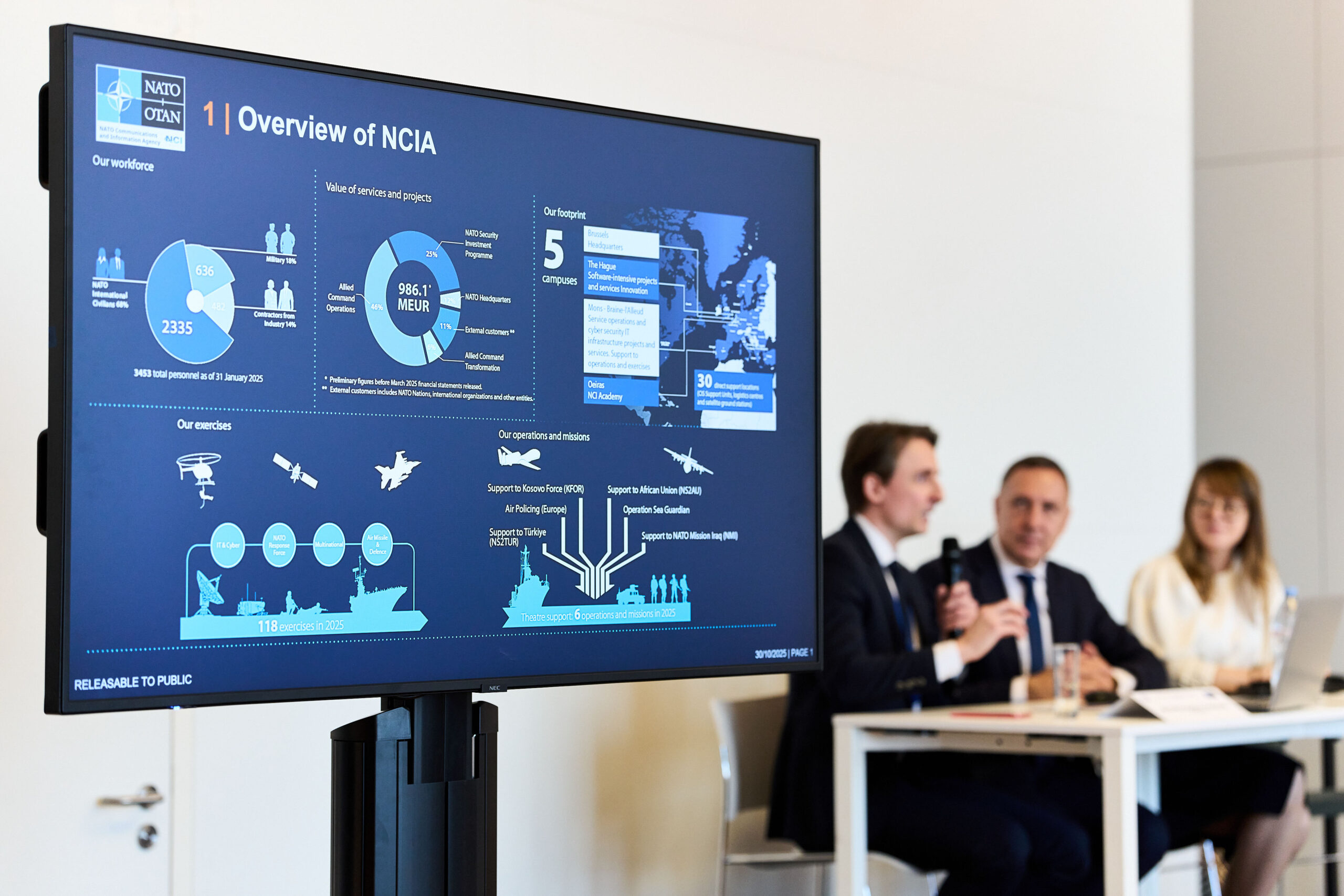
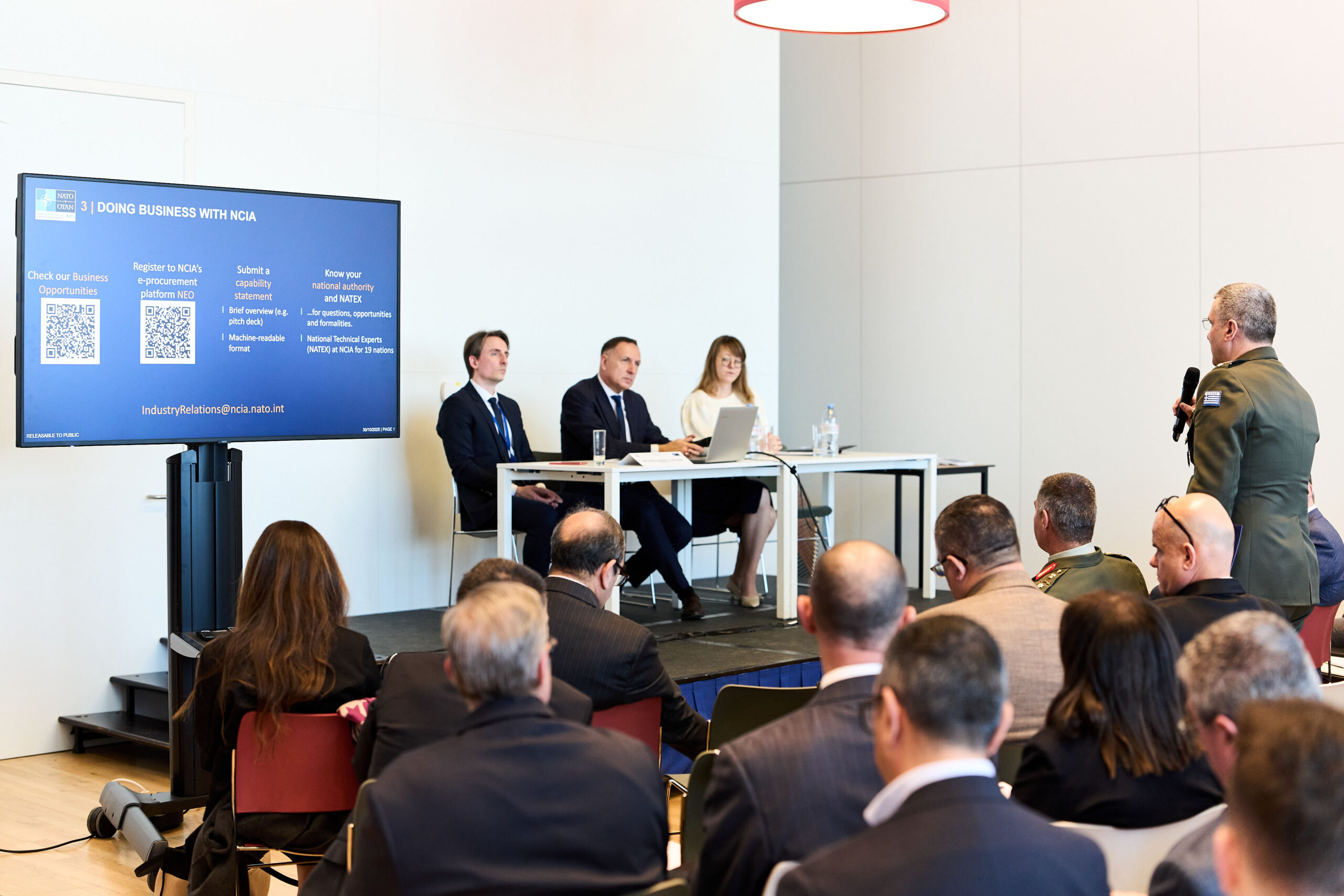
The procurement session, delivered by Silva Aher, NSPA Liaison Officer at NATO HQ, and Arsen Fazlovic, Head of Industry Relations at NCIA, mapped the practical pathways for Greek companies to access NATO contracts. NSPA handles hardware procurement and lifecycle management; NCIA focuses on digital infrastructure, cybersecurity, and command-and-control systems. Both agencies stressed a common prerequisite: supplier registration in their respective databases is the essential first step, not only for participating in tenders, but for accessing information on upcoming requirements and programmes. Fazlovic drew particular attention to NATO Edge 2026, NCIA’s flagship business and technology conference scheduled for 17–19 November 2026 in İzmir, Türkiye, which will feature a redesigned format prioritising direct NATO-industry interaction and visibility into upcoming procurement opportunities, with an expected 3,000 participants and 200 exhibitors.
The Research and Science session brought together Helene Rønning, Executive Coordinator of NATO’s Science and Technology Organization (STO), and Ettore Marchesoni, Programme Officer at the Science for Peace and Security Programme (SPS). STO facilitates collaborative research through thematic panels and technical groups across domains ranging from applied vehicle technology to sensors and electronic systems, with participation channelled through national coordinators. SPS funds joint research and innovation projects between NATO members and partner countries, publishing two calls for proposals per year. The programme’s thematic priorities, revised in 2024, cover emerging and disruptive technologies, autonomous systems, AI, cyber defence, hybrid threats, energy security, and environmental security. In 2024, SPS received 300 proposals, the highest in its history.
The final session addressed interoperability and standardisation. Alice Polo, Standardisation and Interoperability Officer, presented the AIS Fund, a NATO 2030 initiative designed to accelerate the development and adoption of interoperability standards across the Alliance, with emphasis on information security requirements, accreditation processes, and compliance with NATO security policies. Zoe White, Head of Industry, Partnerships and Policy Section and Industry Engagement Unit, presented the NATO Industrial Advisory Group (NIAG), a high-level advisory body composed of industry representatives from Allied nations that operates in a pre-competitive, non-competitive environment. Greek participation in NIAG is channelled through GDDIA.
EUDIMA’s Strategic Engagement
For EUDIMA, the 1st NATO Information Day for Greek Defence Stakeholders provided a concentrated overview of the full breadth of NATO’s engagement mechanisms, from early-stage innovation funding through DIANA and NIF, to collaborative research via STO and SPS, to procurement through NSPA and NCIA, and industrial advisory participation through NIAG. The event reinforced a central insight that runs through EUDIMA’s advisory work: the opportunities within the NATO ecosystem are substantial and multi-layered, but navigating them requires both strategic understanding and practical knowledge of the specific entry points, registration requirements, and timelines that each mechanism demands.
The discussions also confirmed a theme that EUDIMA consistently emphasises in its engagement with clients operating in the European defence and security space: while NATO as an organisation represents only a fraction of total Allied procurement, the capability targets, requirements, and standards it sets decisively shape what member states ultimately acquire. Understanding this interplay between the Alliance-level framework and national procurement decisions is where strategic advisory value lies.
A Proactive Diplomatic Initiative, and What Comes Next
The event stands as a clear demonstration of the Greek Permanent Delegation’s proactive approach to supporting the national defence industry. Rather than a formal briefing, Ambassador Gounari and her team organised a comprehensive, interactive event that gave Greek companies direct access to the full range of relevant NATO bodies, with substantive Q&A sessions, dedicated networking time, and pre-distributed briefing materials.
For Greek defence stakeholders, several concrete opportunities emerged from the day’s discussions: the upcoming DIANA challenge call expected in June 2026, NATO Edge 2026 in İzmir in November, the biannual SPS calls for proposals, and the expanding NATO Innovation Ranges offering real-world testing environments, including the Task Force X model, initially deployed in the Baltic Sea, which is planned to extend to the Mediterranean.
EUDIMA extends its appreciation to Ambassador Gounari and the entire team of the Permanent Delegation of Greece to NATO for their initiative and the quality of the event’s organisation. As the Alliance enters a period of historic investment in defence capabilities, initiatives like this Information Day are essential in ensuring that Greek industry is not only aware of the opportunities, but positioned to act on them.