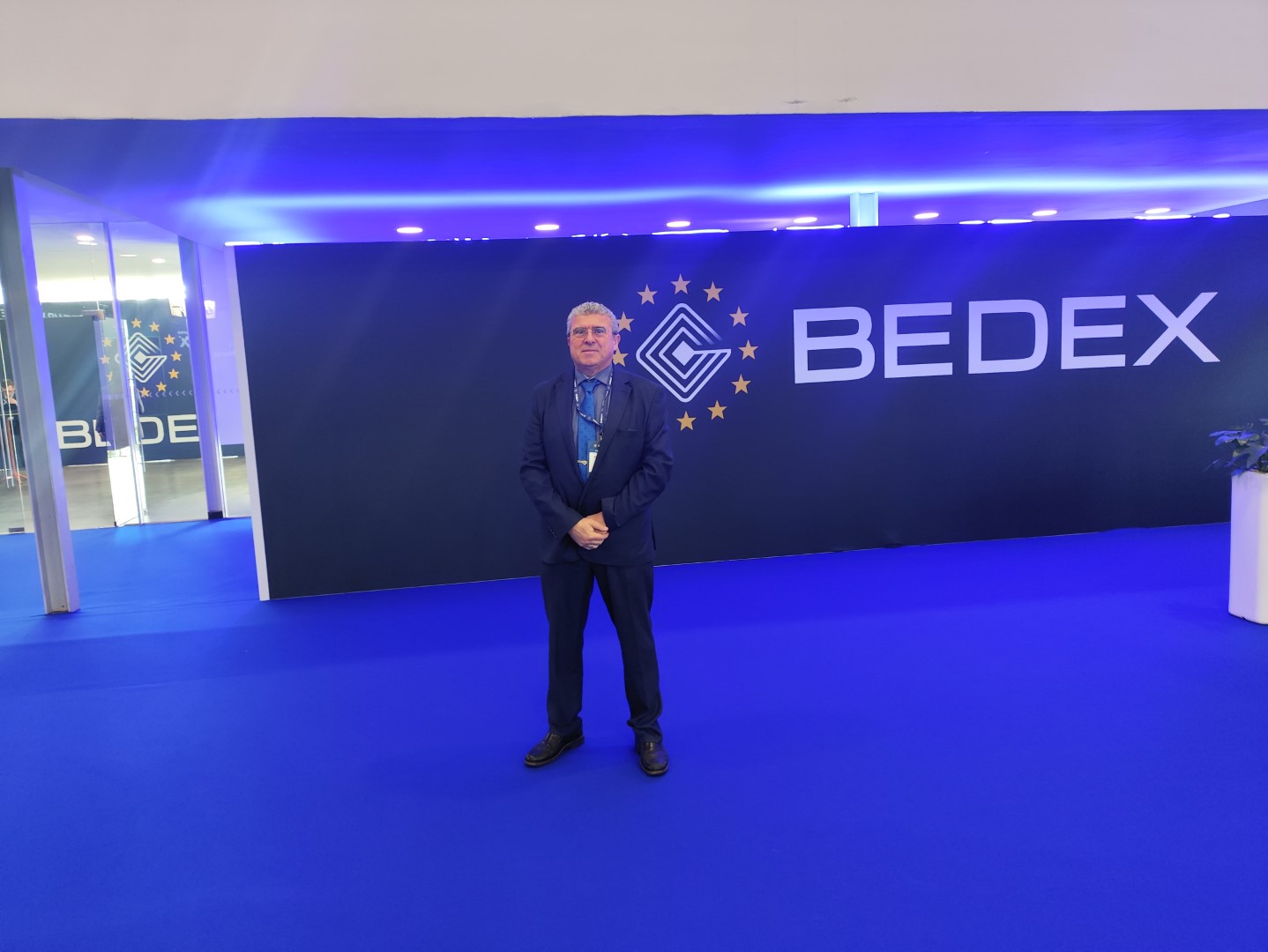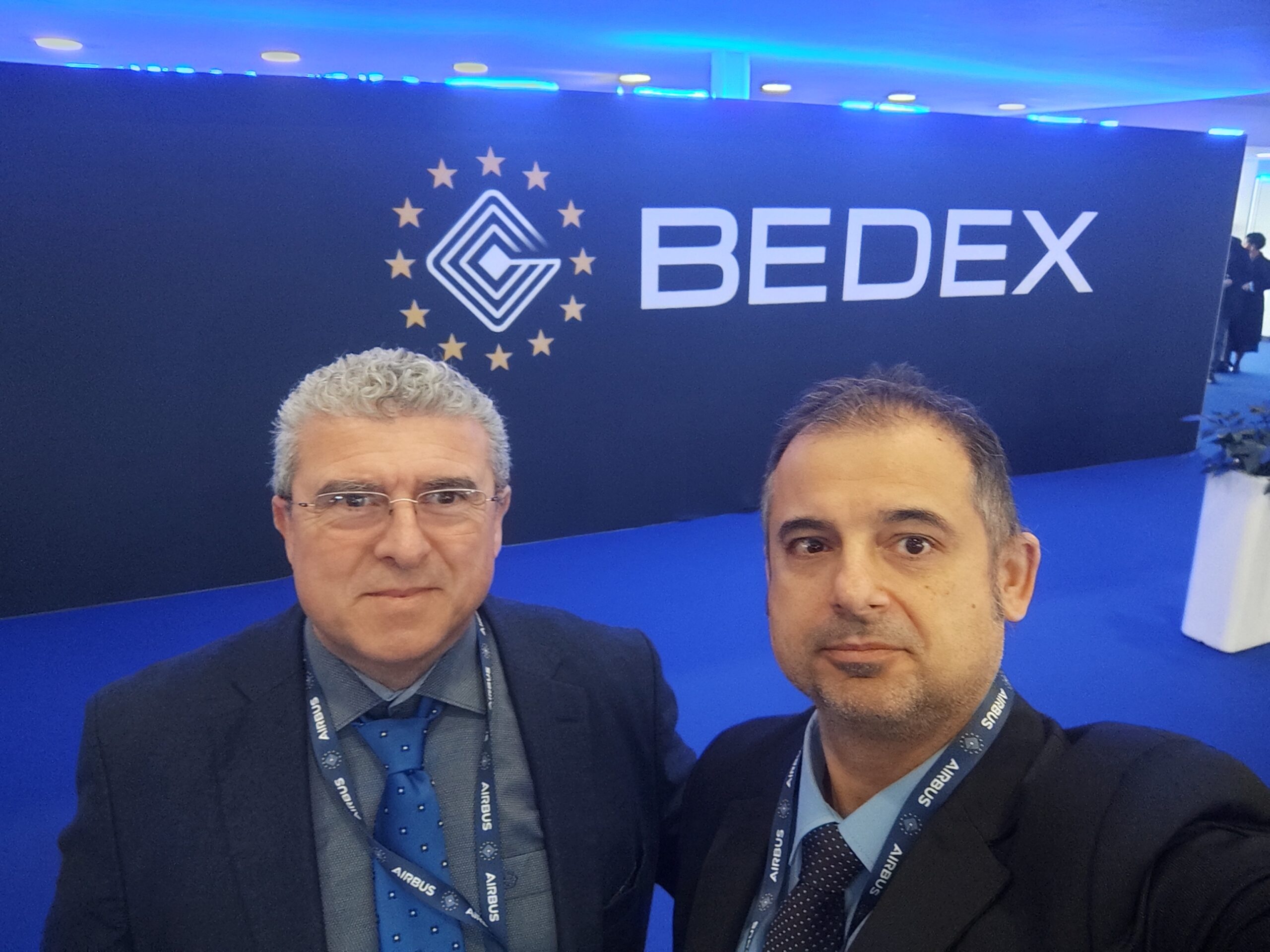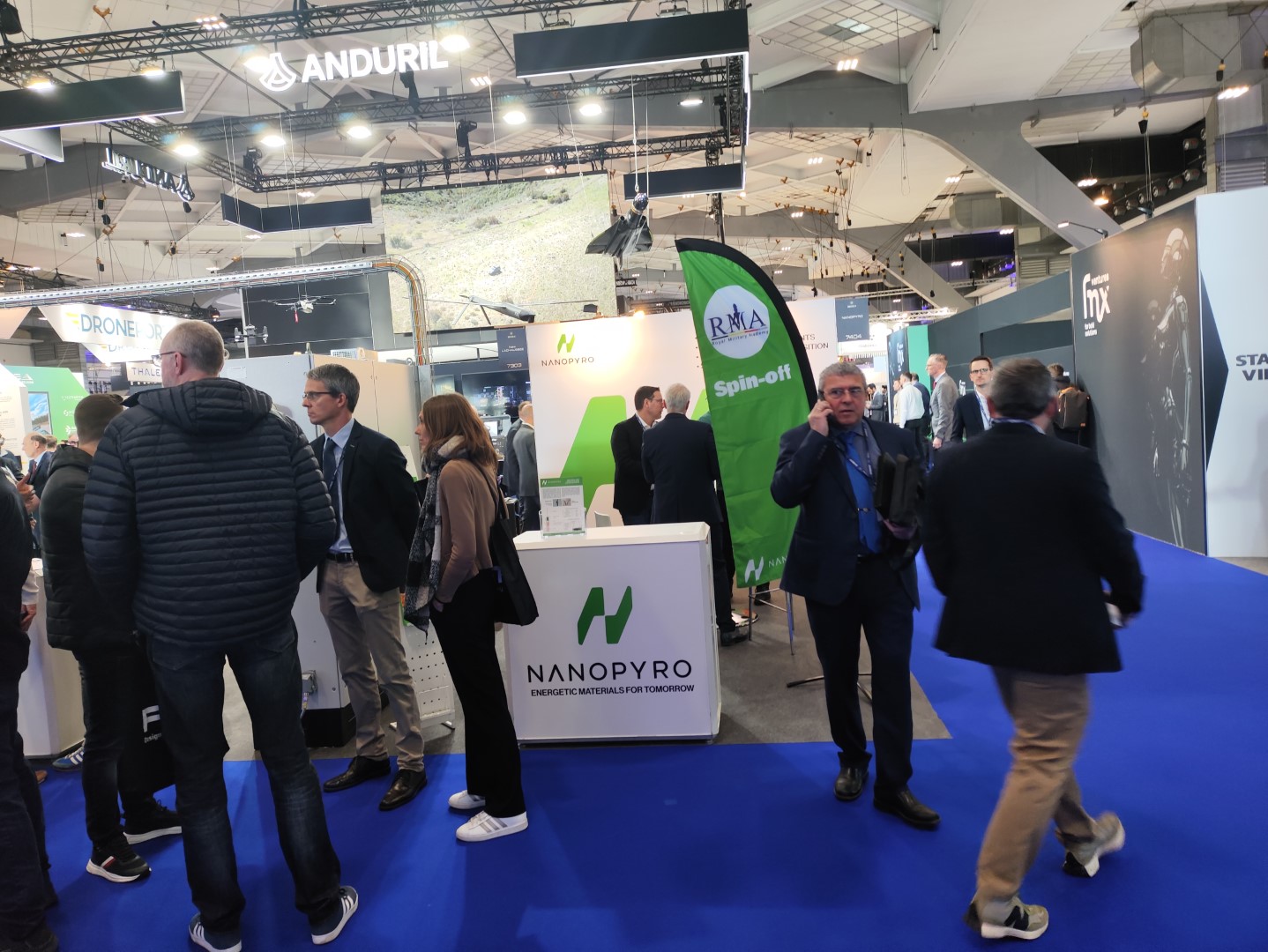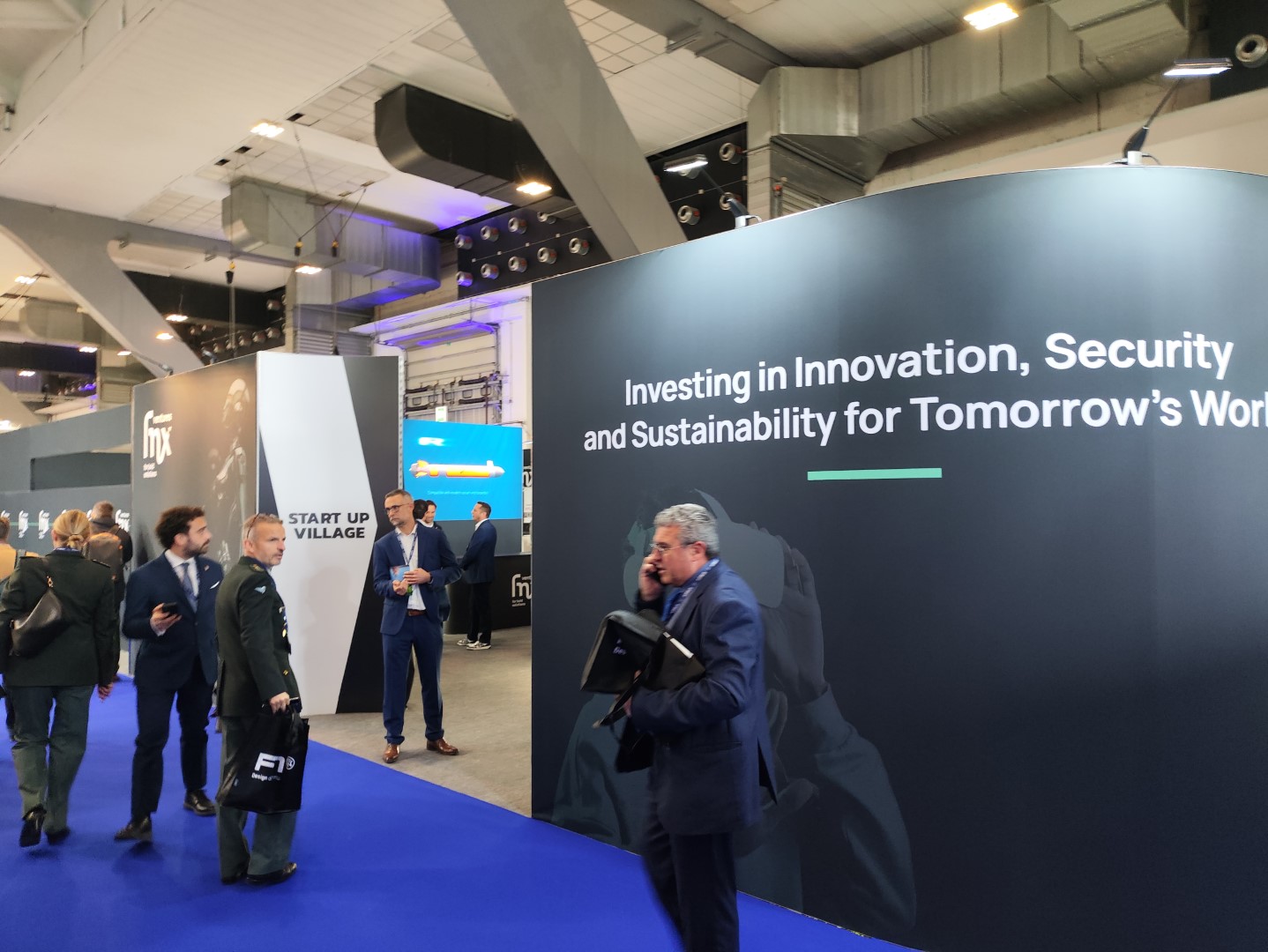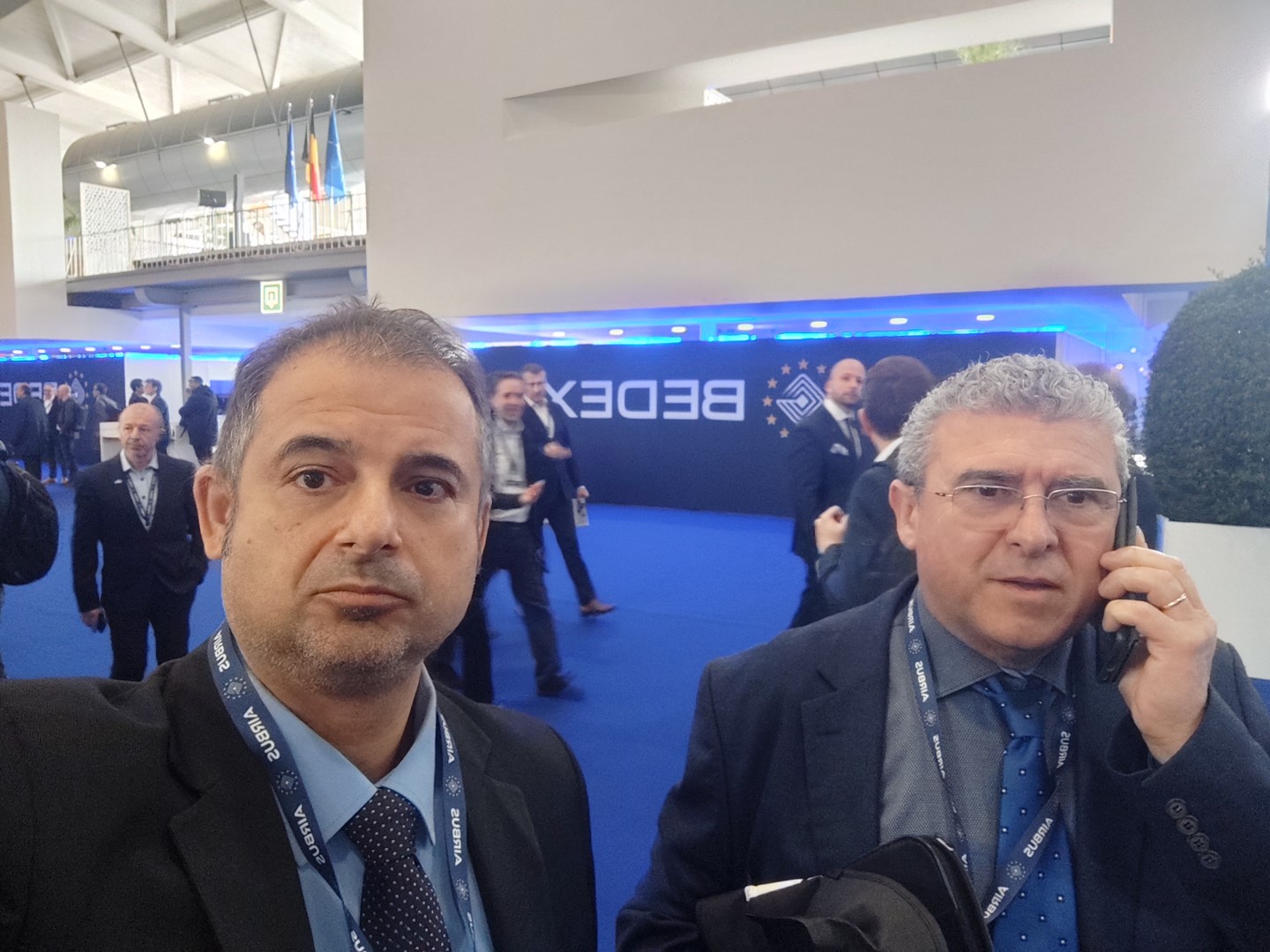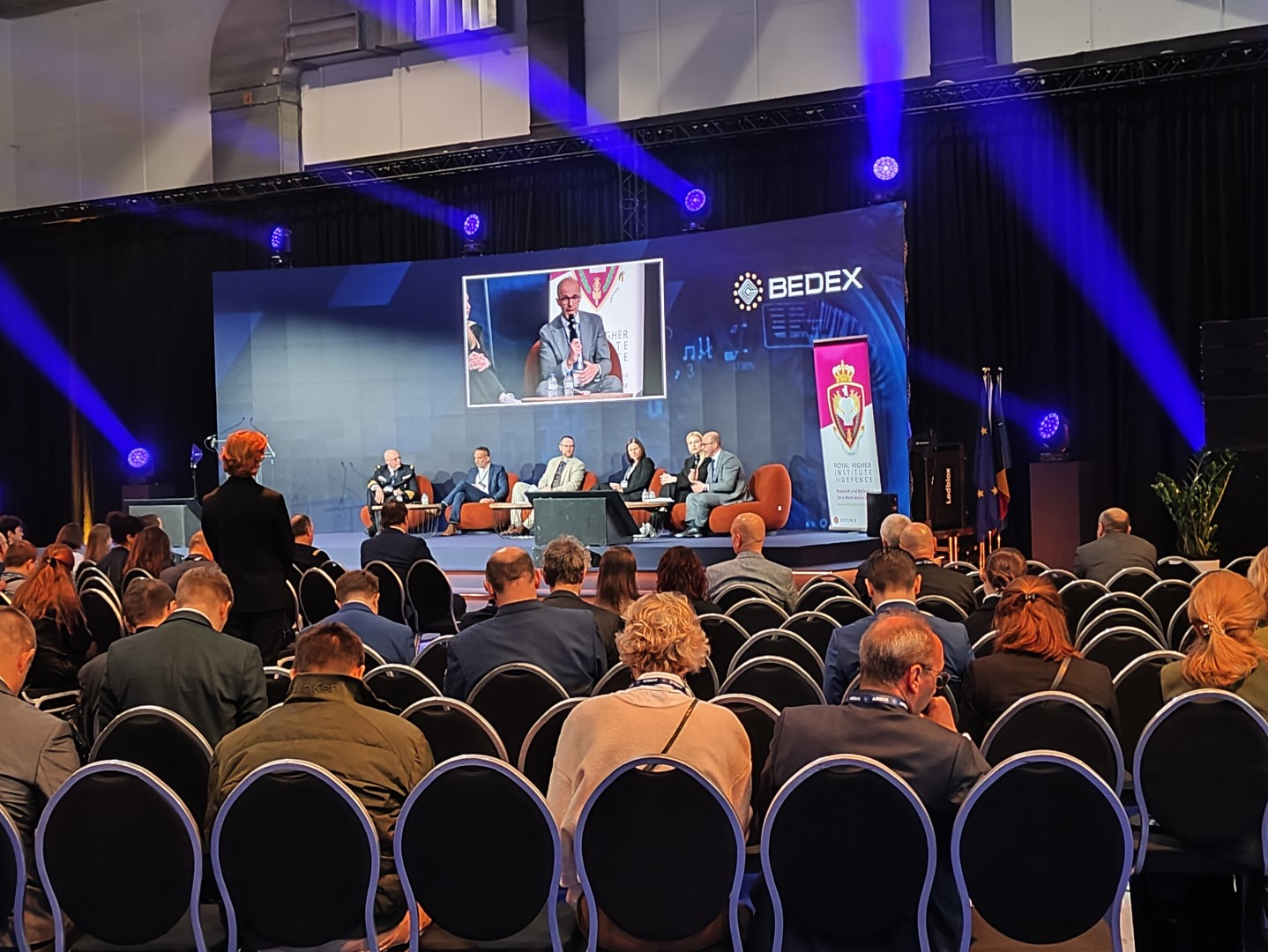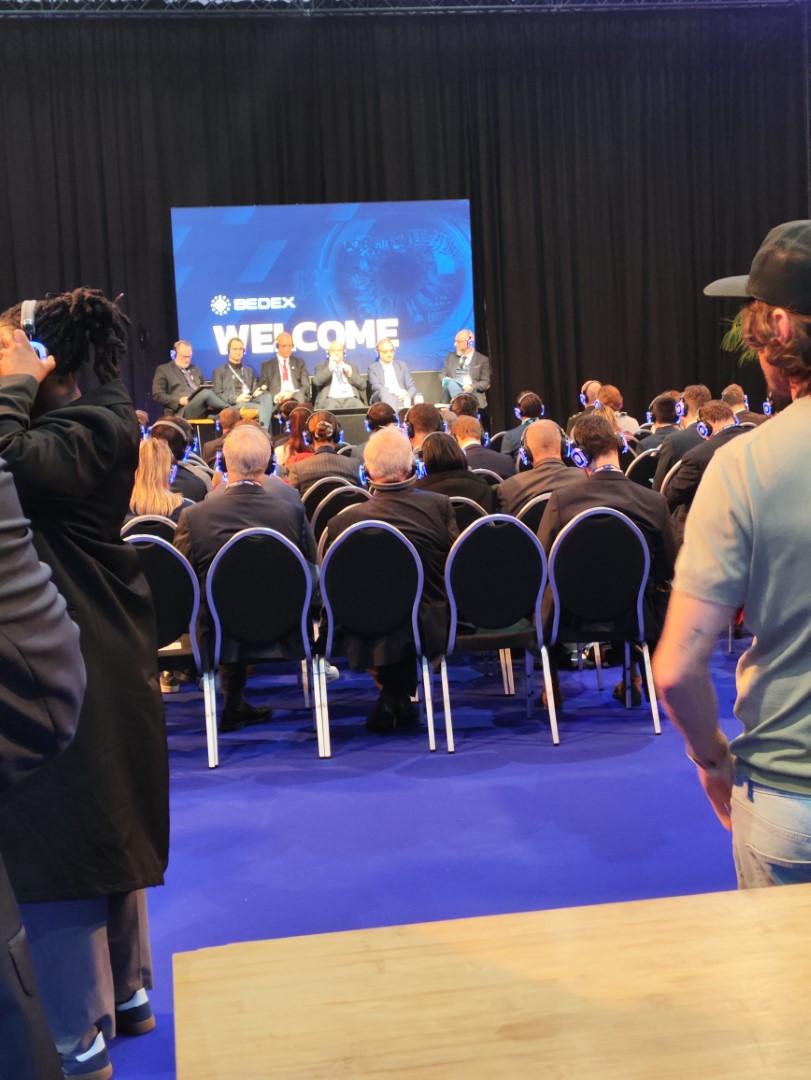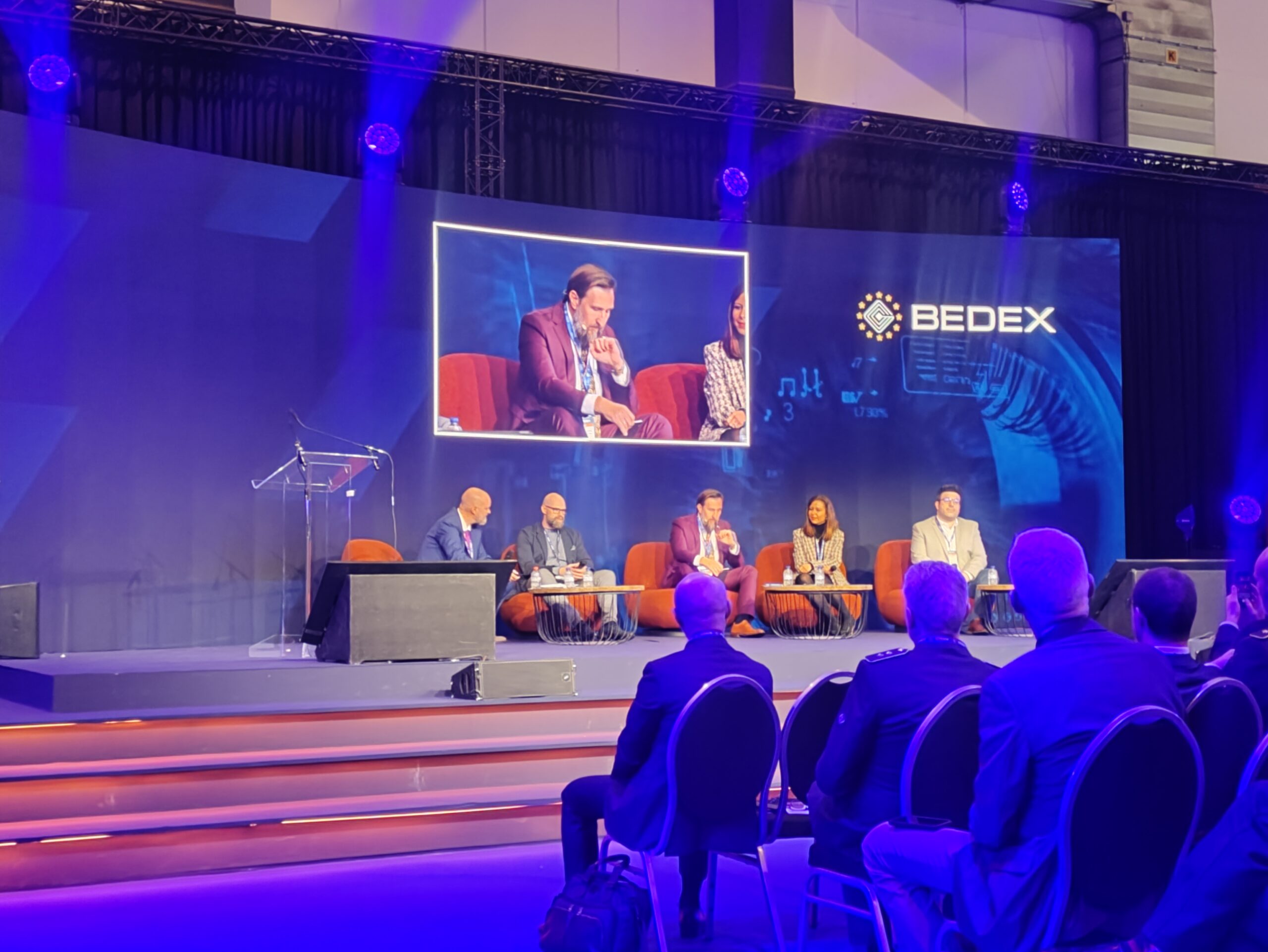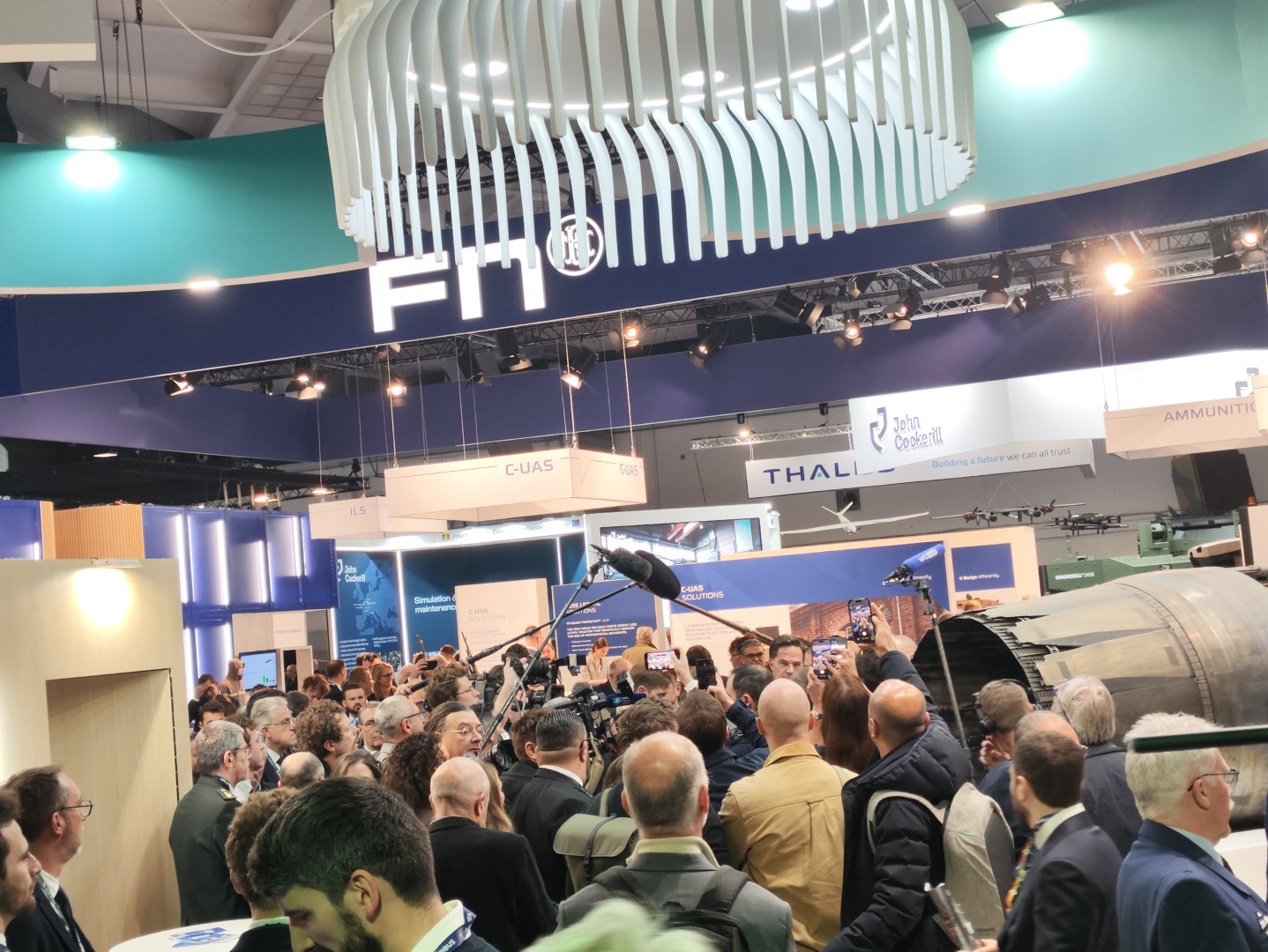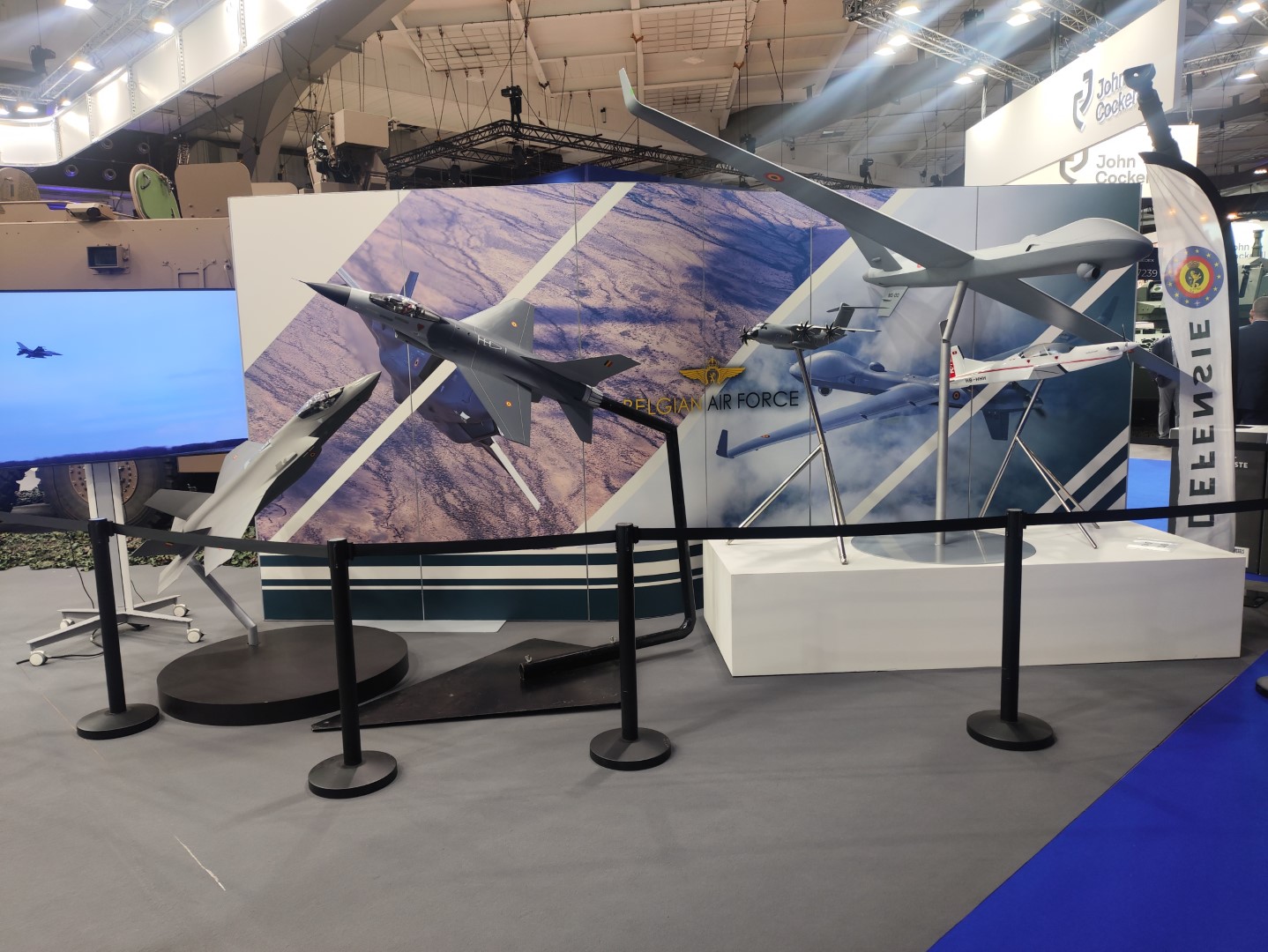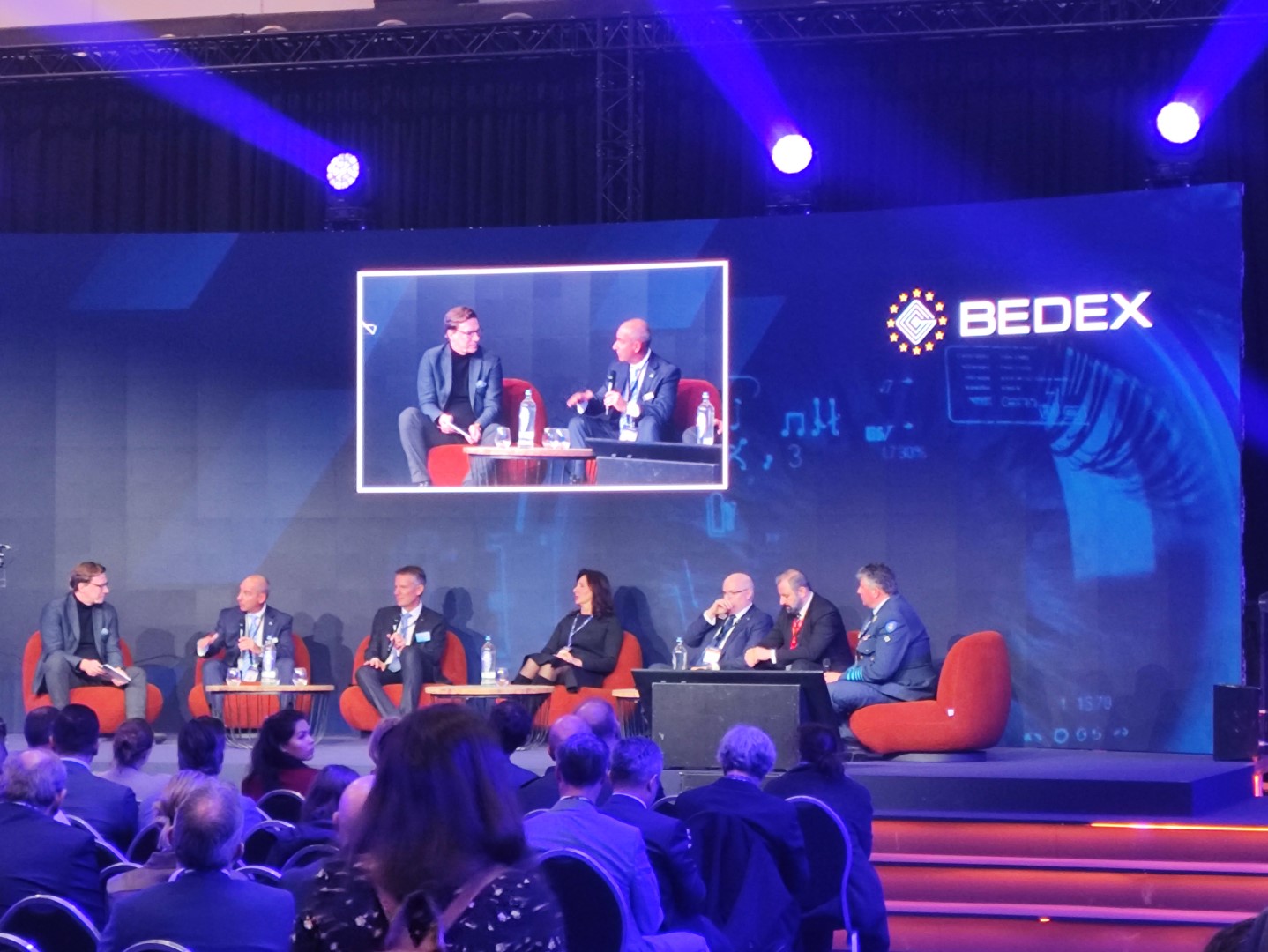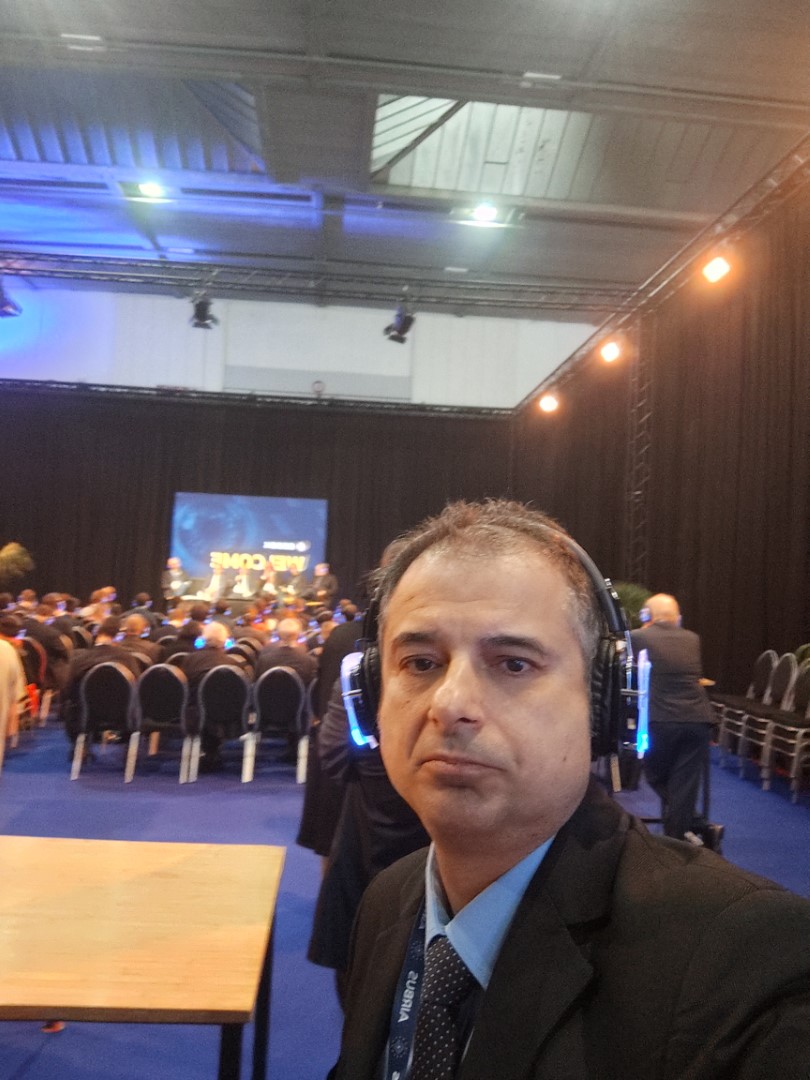
At a moment when European defence spending, industrial capacity, and strategic readiness have moved to the centre of continental politics, Brussels chose to make a statement. The inaugural Brussels European Defence Exhibition & Conference (BEDEX 2026), held from 12 to 14 March 2026 at Brussels Expo, brought together more than 200 companies from 27 countries, over 70 official delegations, and some 17,300 visitors across three days. EUDIMA attended both professional days, engaging with industry leaders, institutional representatives, and defence technology providers across the full breadth of the conference programme and exhibition floor. For a first edition, the political weight and industrial turnout were remarkable, and the message was clear: Brussels intends to become a permanent fixture on Europe’s defence exhibition calendar.
The opening ceremony on 12 March set the tone. NATO Secretary General Mark Rutte, Belgian Prime Minister Bart De Wever, Minister of Defence Theo Francken, and Deputy Prime Minister David Clarinval opened the exhibition together, an extraordinary level of institutional endorsement for a first-edition event.
Rutte’s gala dinner speech that evening was unambiguous in its urgency. He reminded the defence industry that NATO Allies had committed at The Hague Summit to investing 5% of GDP in defence and security by 2035, and that while progress was being made, spending alone was not enough. Capabilities are what keep nations safe, and those capabilities depend on industry’s ability to produce faster and at scale. He pointed to a striking figure: NATO requires a 400% increase in air defence systems, a shortfall laid bare by daily aerial threats in Ukraine and the Middle East. His three-part call to industry, speed up production, invest in people, and deepen transatlantic cooperation, served as a framing message for the entire event.
The conference programme across the two professional days was dense and substantive, spanning 23 strategic sessions with over 90 speakers. A high-level panel on the transformation of the global defence industrial landscape examined how rising demand, supply chain pressures, and the imperative for interoperability are reshaping defence production across the Alliance. Senior figures from both European and transatlantic industry participated alongside national armament officials, reflecting the reality that industrial transformation requires collaboration across NATO, not within Europe alone.
Drone technology and unmanned systems were a dominant theme, both on stage and across the exhibition floor. A dedicated session on the evolving drone playbook brought together industry, the European Commission, and NATO to discuss how unmanned platforms are fundamentally changing operational concepts. The prominence of counter-drone systems among exhibitors underscored lessons from the conflict in Ukraine, where unmanned threats have become a defining feature of the battlefield. This was reinforced by one of the most compelling sessions of Day 2, a panel on Ukraine’s wartime industrial transformation, organised in partnership with the Royal Higher Institute for Defence, which examined how Ukrainian defence production has scaled dramatically under wartime conditions and what that experience means for European readiness.
The programme extended well beyond traditional defence domains. Sessions on emerging defence technologies examined how artificial intelligence, advanced manufacturing, and dual-use innovation are entering the defence mainstream, with the European Defence Agency (EDA) among the institutional voices stressing the need for better integration of these capabilities. Space security received dedicated attention in a panel that brought together the European Space Agency (ESA) and the European External Action Service (EEAS), reflecting the growing recognition that space is a contested operational environment requiring dedicated capabilities and policy frameworks. A session on critical raw materials, “From Mine to Mission”, highlighted the often-overlooked connection between mineral supply security and defence readiness, bringing together the European Commission, industry, and Belgium’s Special Envoy for Critical Raw Materials.
The most politically candid exchange came during the closing session on Day 2, when Minister Francken, EU Commissioner for Defence and Space Andrius Kubilius, and Admiral Giuseppe Cavo Dragone, Chair of the NATO Military Committee, discussed the structural obstacles facing European defence industry. Kubilius was blunt: obtaining a permit to build a factory in Europe currently takes approximately four years, a timeline the Commission aims to compress to two months. He described the fragmentation of the European defence market as an obstacle to growth and called for progress toward a common defence market underpinned by joint procurement. Francken called for a dramatic simplification of procedures and challenged the assumption that Europe remains in peacetime. The Admiral proposed the term “confrontation time” to characterise the current period, arguing that perpetual peace can no longer be taken for granted. Kubilius also outlined his ongoing “Missile Tour” across European production facilities, aimed at assessing missile manufacturing capacity at a time when demand far outstrips supply.
EUDIMA attended both professional days of BEDEX 2026, following the conference programme closely and engaging in extensive discussions with companies, institutional representatives, and delegations across the exhibition floor. The breadth of themes addressed at BEDEX, from defence industrial transformation and emerging technologies to space security, cybersecurity, critical raw materials, and workforce development, aligns directly with EUDIMA’s advisory practice. As a consultancy operating at the intersection of EU and NATO defence policy, funding, and industrial strategy, EUDIMA was able to draw valuable strategic insights from the event’s high-level discussions on procurement reform, European defence market consolidation, and the integration of SMEs into cross-border supply chains.
The event also provided significant opportunities for new industry contacts. EUDIMA engaged with numerous defence technology providers, system integrators, and innovative companies exhibiting at BEDEX, exploring potential areas of collaboration that will be developed further in the coming months. These exchanges reinforced the value of Brussels-based defence events as platforms for building the partnerships that underpin European defence cooperation.
By any measure, BEDEX 2026’s first edition delivered beyond expectations. With more than 200 exhibitors, 70 official delegations, 23 strategic conferences, and the direct participation of the NATO Secretary General, the Belgian Prime Minister, the EU Commissioner for Defence and Space, and the Chair of the NATO Military Committee, the event has immediately established itself as a serious addition to Europe’s defence exhibition calendar. The organisers have announced that the next edition will take place from 15 to 17 April 2027, with the event moving to a biennial cycle thereafter.
For EUDIMA, BEDEX confirmed what Brussels’s unique institutional geography makes possible: a defence event where policy, industry, and innovation converge in the same city that houses NATO Headquarters, the European Commission, and the European Defence Agency. As European defence spending accelerates under the combined impetus of the NATO 5% GDP commitment, the SAFE instrument, and the EDIP framework, the connections forged and the insights gathered at events like BEDEX will prove indispensable for organisations seeking to navigate this rapidly evolving landscape.
EUDIMA extends its thanks to the organisers of BEDEX 2026 for a well-structured and ambitious first edition, and to the Belgian Ministry of Defence for the institutional support that made this event possible. We look forward to BEDEX 2027.