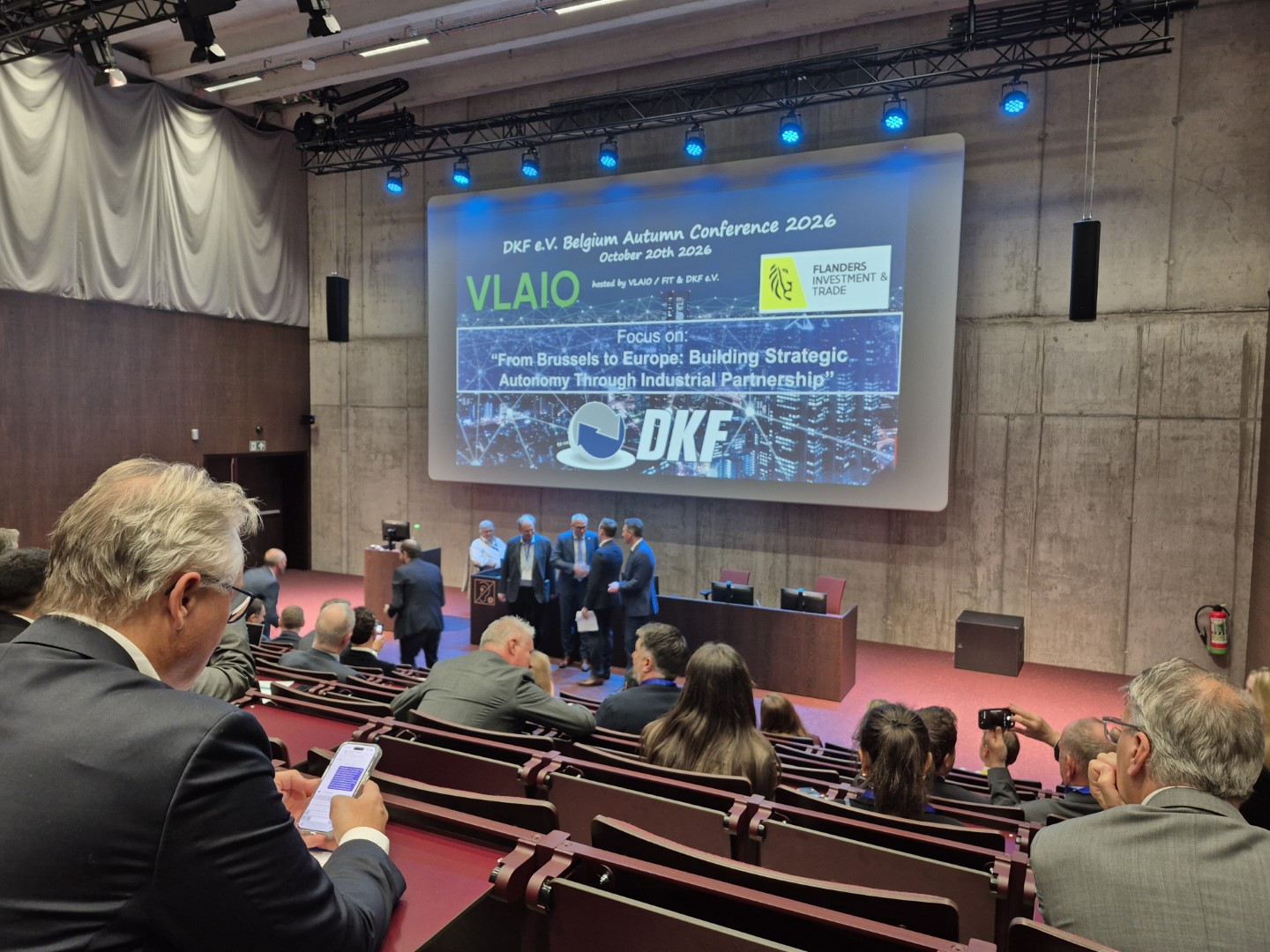
Belgium is preparing one of the largest defence investment programmes in its history, and the question of who will build, supply and maintain what it buys was at the centre of the DKF Autumn Conference 2026. EUDIMA attended the two-day event in Brussels on 19 and 20 October. It was organised by the European Network for Offset, Counter Trade and Industrial Participation (DKF) and hosted by Flanders Innovation & Entrepreneurship (VLAIO) and Flanders Investment & Trade (FIT). The conference was framed around building strategic autonomy through industrial partnerships, and it drew more than 200 participants from government, industry and academia.
A Defence Budget Growing Faster Than the Industrial Base
The conference took place against a clear national backdrop. In July 2025, the Belgian federal government approved its Strategic Vision for Defence, which covers 2026 to 2034 and includes approximately €34 billion in military investments. The plan envisages defence spending of 2% of GDP until 2033 and to rise to 2.5% in 2034, with a broader €139 billion defence expenditure framework for 2026–2034
The industry expected to absorb this demand is considerably smaller. According to a 2025 Agoria study, the Belgian technology federation, counts nearly 900 companies, around €5 billion in turnover and 16,300 direct jobs once all defence-related activity is included, as reported by the Brussels Times. On a narrower definition, the core defence industry is about 80 companies with €2 billion in turnover and 5,000 jobs. That gap between spending plans and industrial capacity gave the discussions their urgency.
Industrial Participation in a Changing European Framework
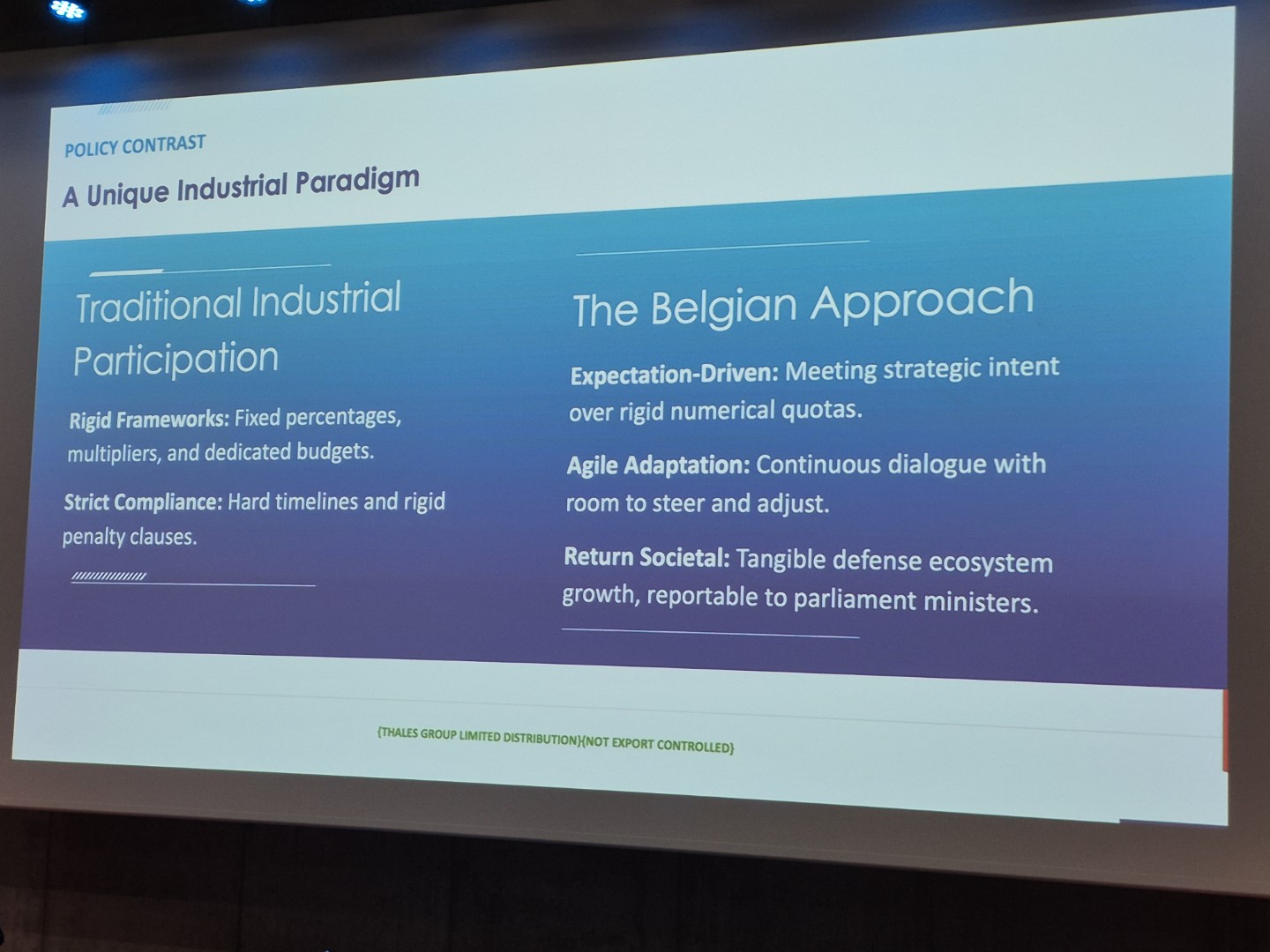
For the wider European audience, the legal context matters. Under Directive 2009/81/EC, Member States have abolished or revised their systematic offset rules, and, as the European Commission has noted, industrial return requirements can only be imposed case by case where Article 346 of the Treaty on the Functioning of the European Union applies. Against that background, the conference approached the subject less as classic offsets and more as industrial participation, economic return and long-term cooperation between governments and suppliers.
Government, Agencies and Industry on the Programme
The Tuesday programme at the Marie-Elisabeth Belpairegebouw featured keynotes on the economic return on defence acquisitions and the Belgian defence industry by Matthias Diependaele, Minister-President of Flanders, and Pascale Delcomminette, CEO of the Wallonia Export & Investment Agency (AWEX). Mark Andries, Director General of VLAIO, and Piet Demunter, CEO of FIT, followed with welcome presentations on the regional support landscape. The Belgian Defence Air Force addressed strategic airlift capability, and Professor Cind du Bois of the Royal Military Academy offered an academic view of the benefits of economic return.
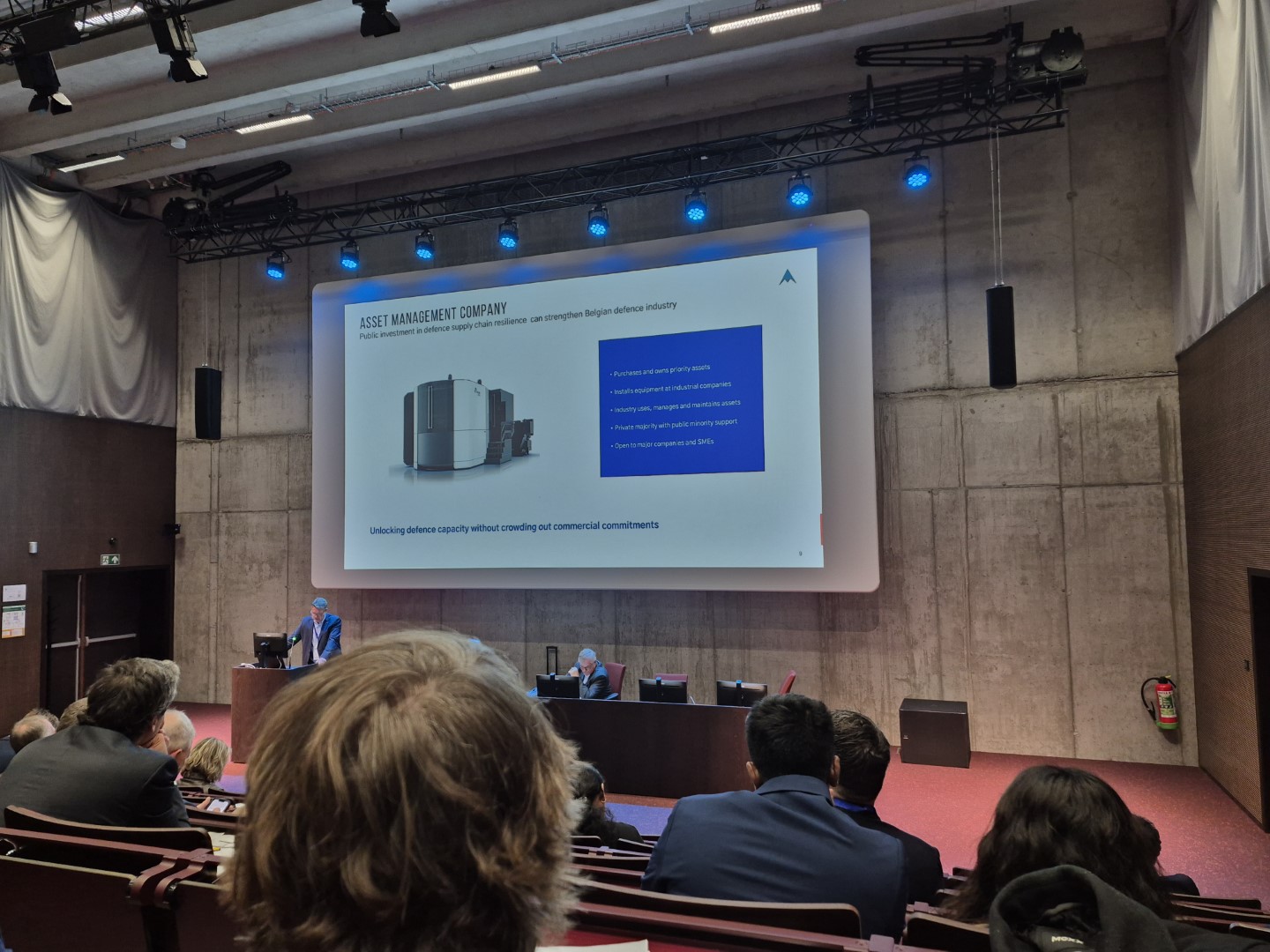
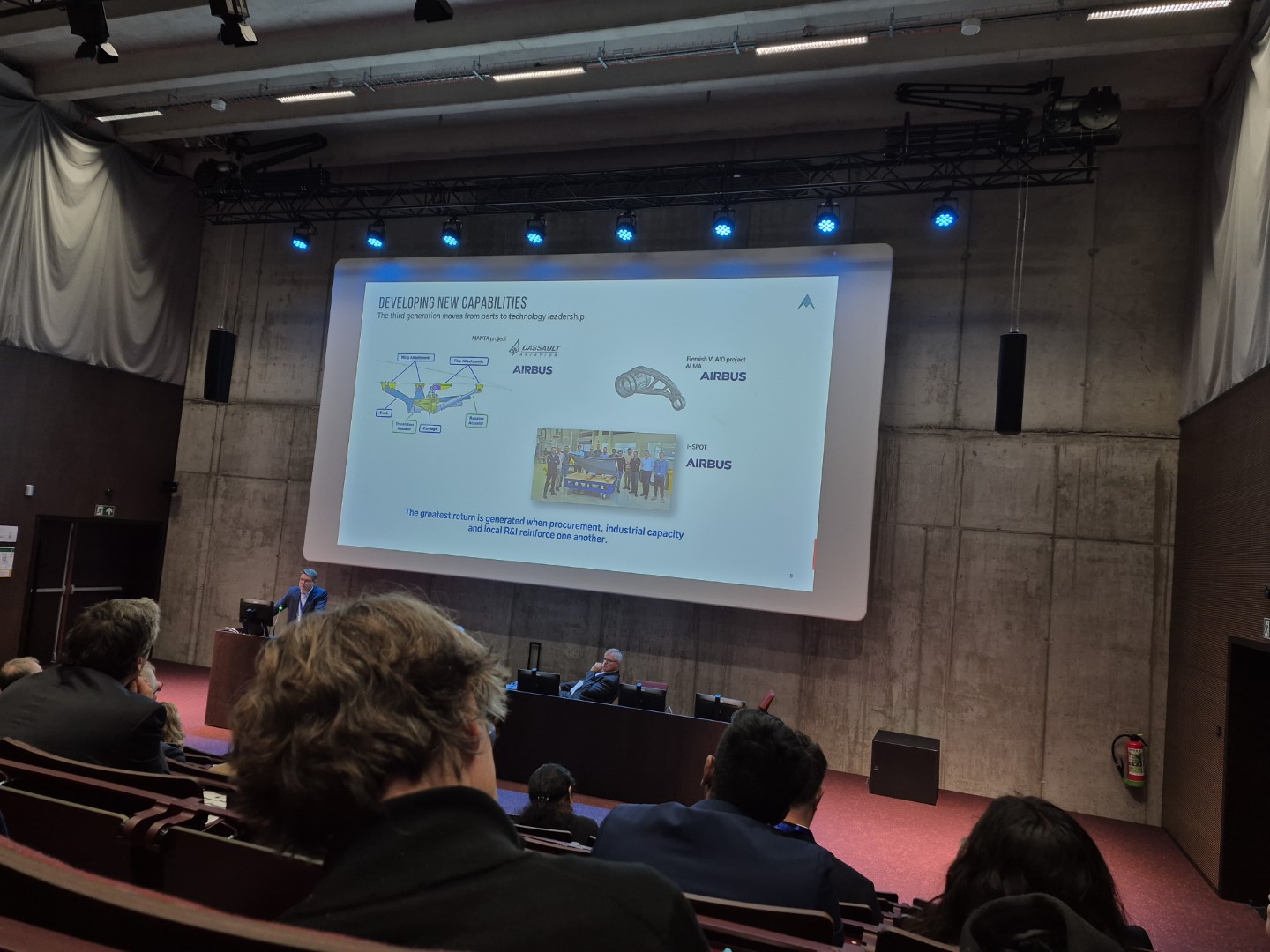
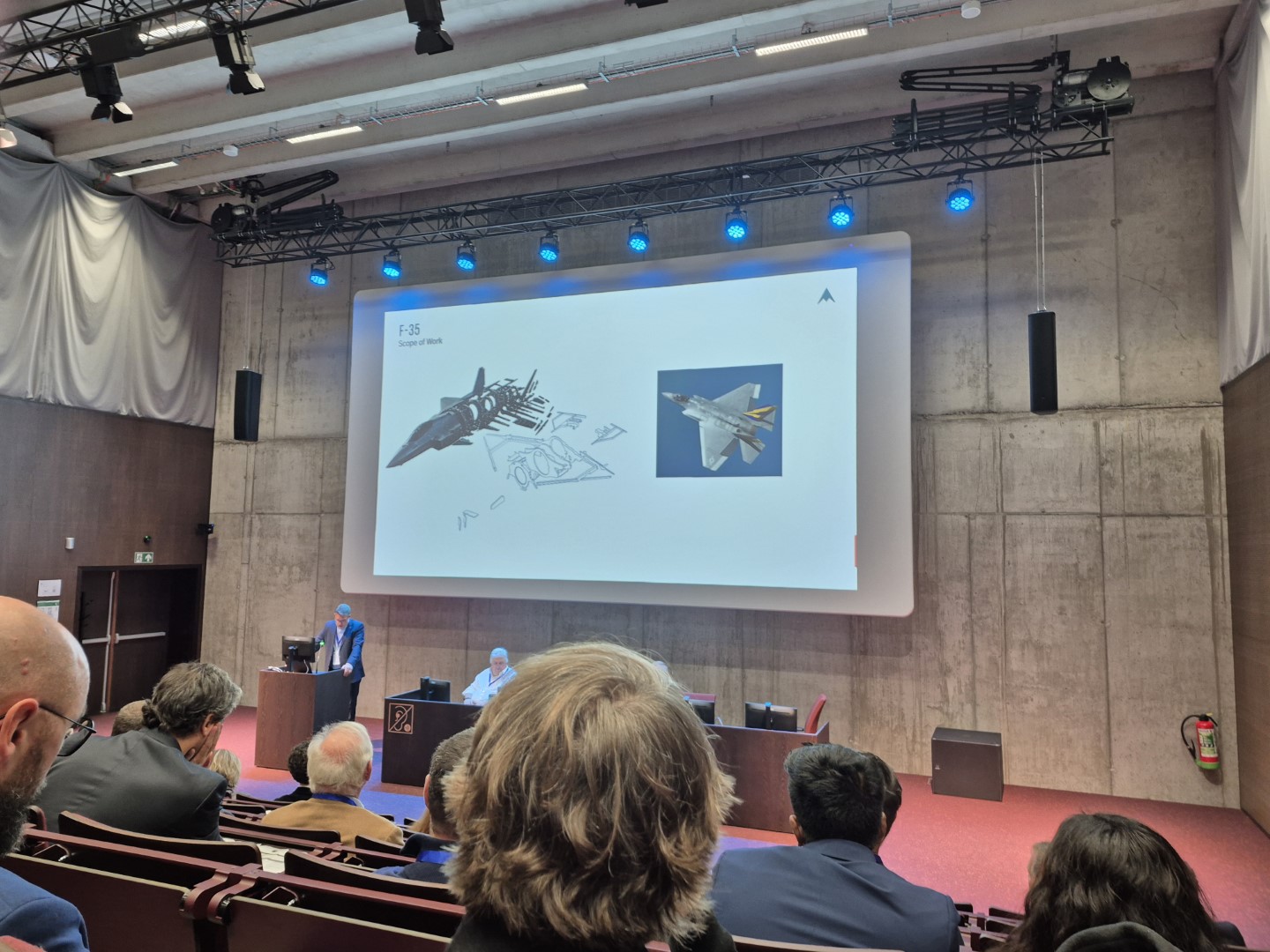
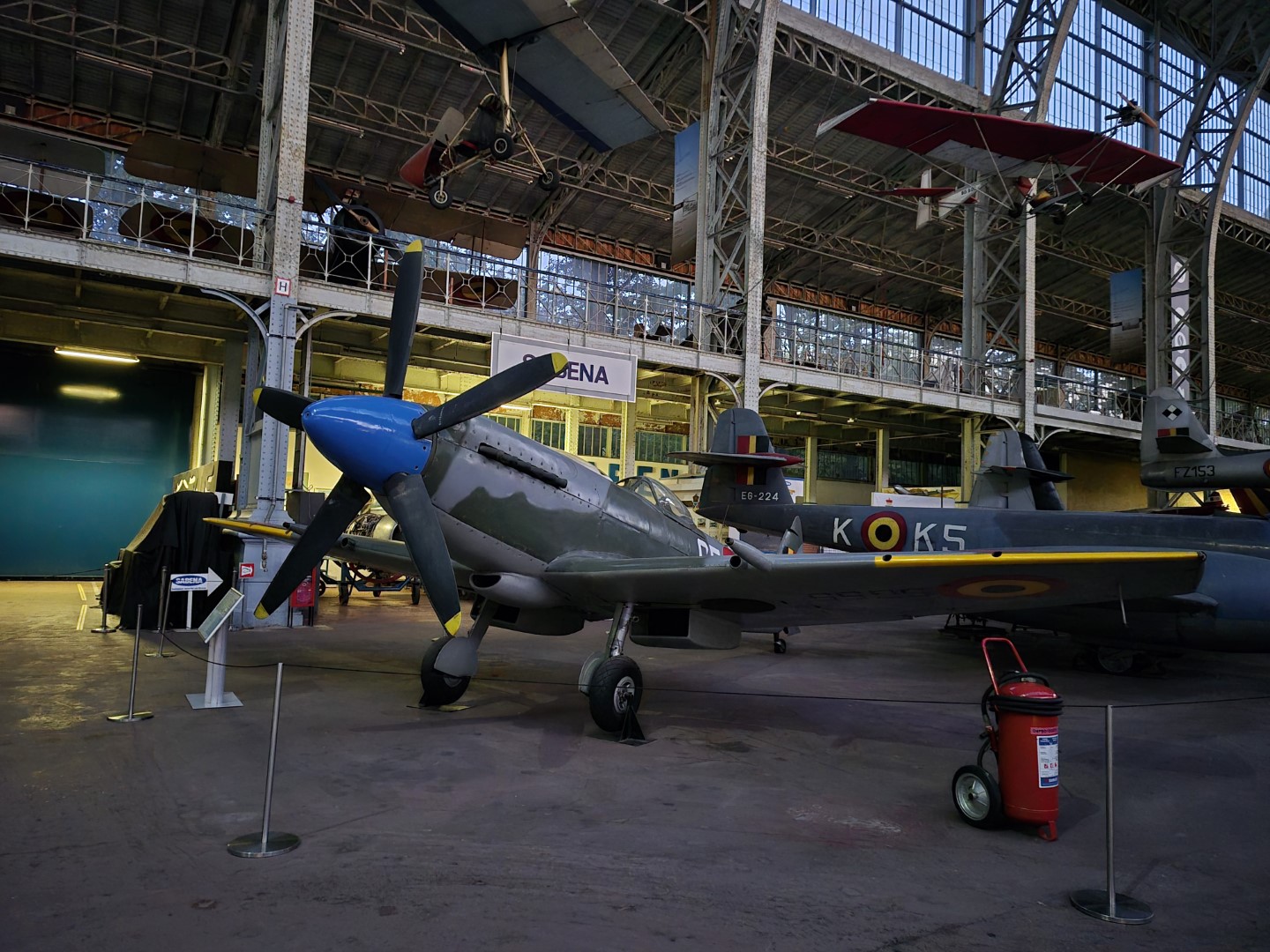
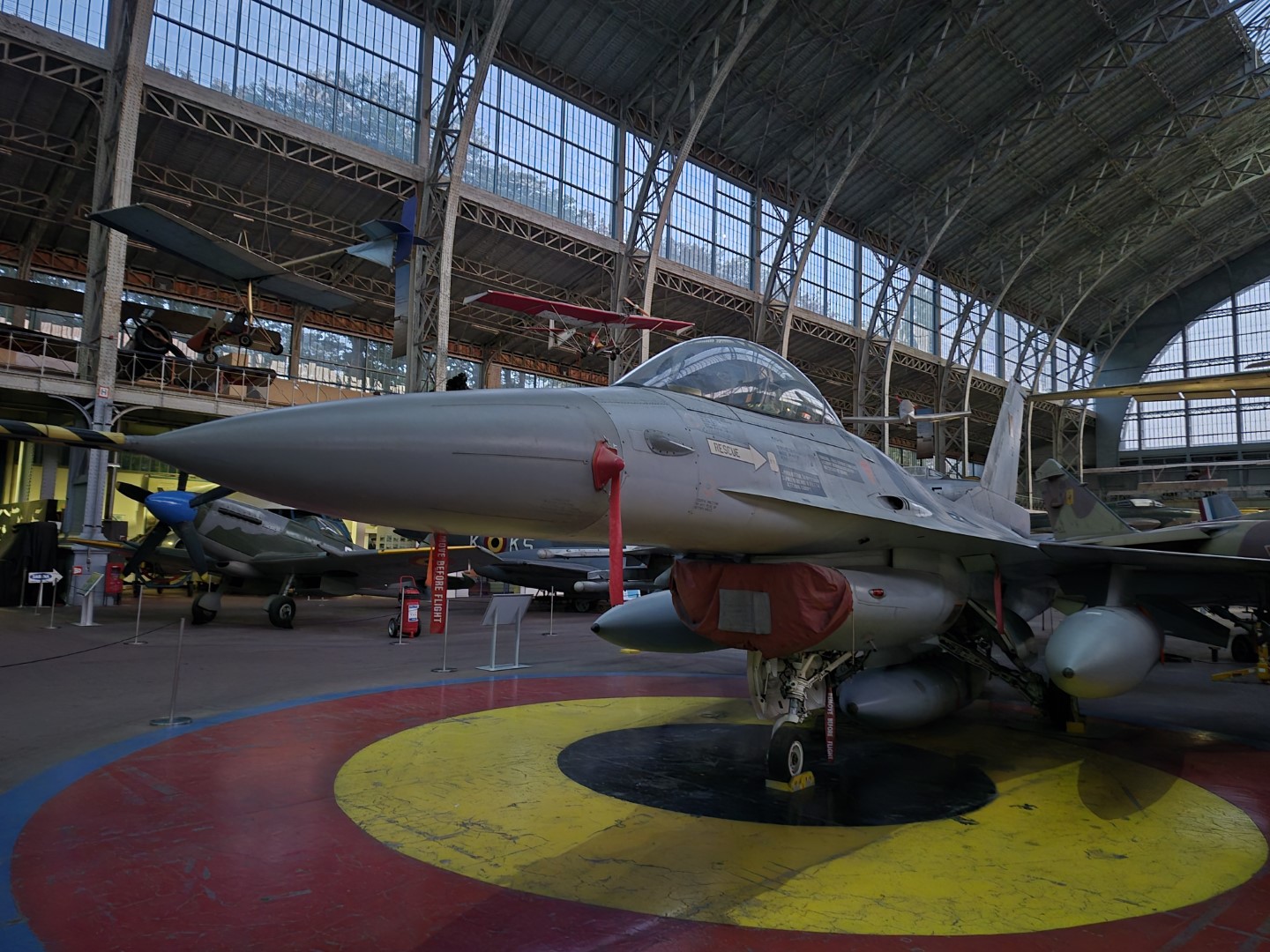
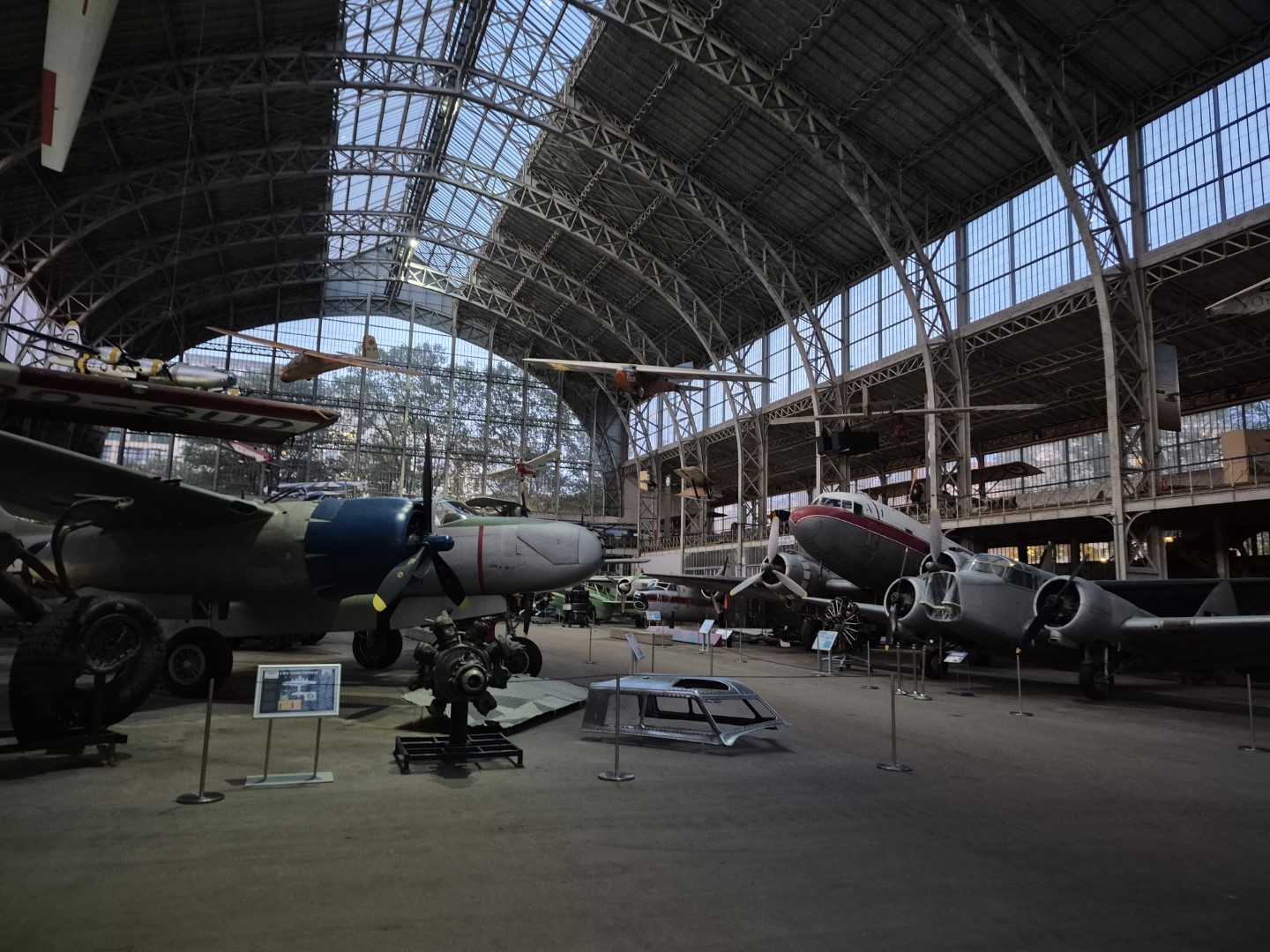
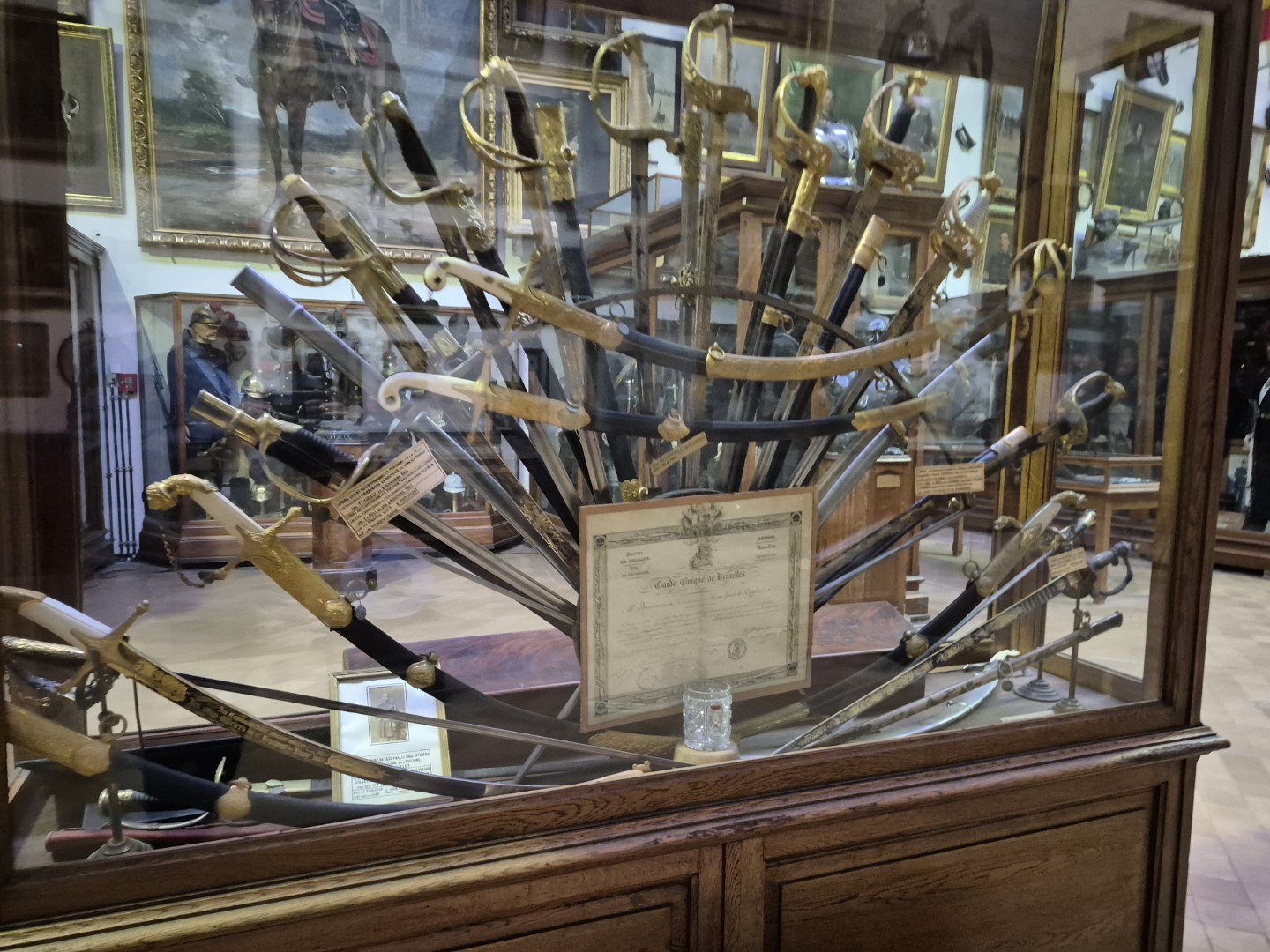
Industry perspectives came from Agoria’s Belgian Security & Defence Industry group and from several leading defence and aerospace companies. Their sessions covered industrial return, consortia, and the practical mechanics of bringing national suppliers into major programmes. The programme also included a perspective on Canada-EU trade and investment. The networking dinner the evening before, held at the Royal Museum of the Armed Forces and Military History in the Cinquantenaire Park, set the tone for a programme in which informal exchange mattered as much as the presentations.
EUDIMA’s Engagement
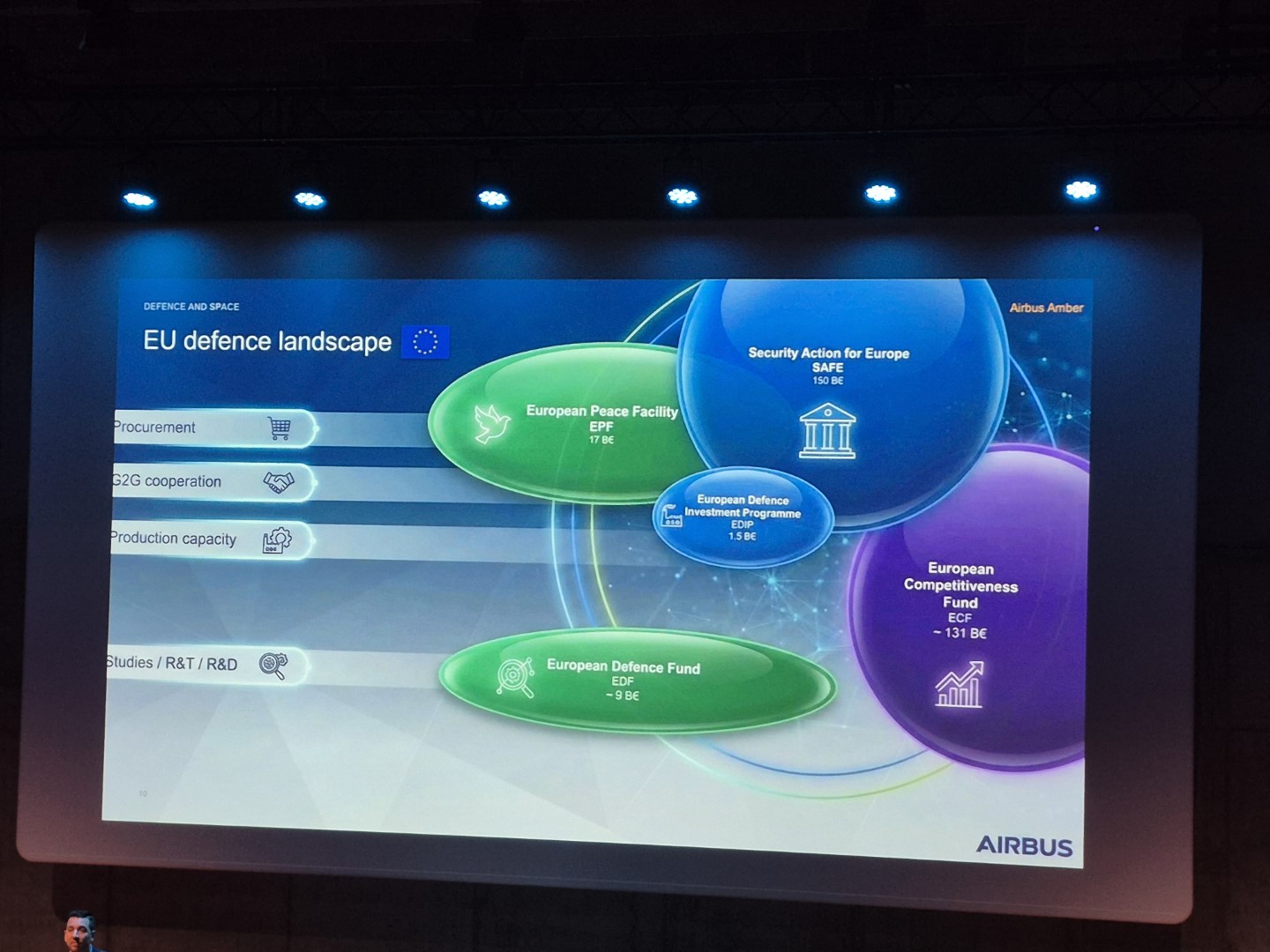
For EUDIMA, the conference offered a view of defence procurement from a side that EU funding discussions often leave out: how national investment translates into opportunities across the supply chain. EUDIMA attended as an observer and used the two days for conversations with a broad range of companies active in the European defence sector. Those exchanges reinforced a point that runs through EUDIMA’s advisory work. Access to European and NATO funding is only one part of the picture, and SMEs equally need to understand how industrial participation, consortium positioning and national procurement priorities shape their route to market. These insights feed directly into how EUDIMA supports its clients across strategy, funding and partnership development.
Looking Ahead
Strategic autonomy depends on industrial capacity as much as on budgets, and the gap between the two will define the next phase of European defence cooperation. EUDIMA thanks DKF, VLAIO and FIT for a well-organised and timely event, and looks forward to continuing the conversation as Belgium’s investment programme moves from planning to contracts.