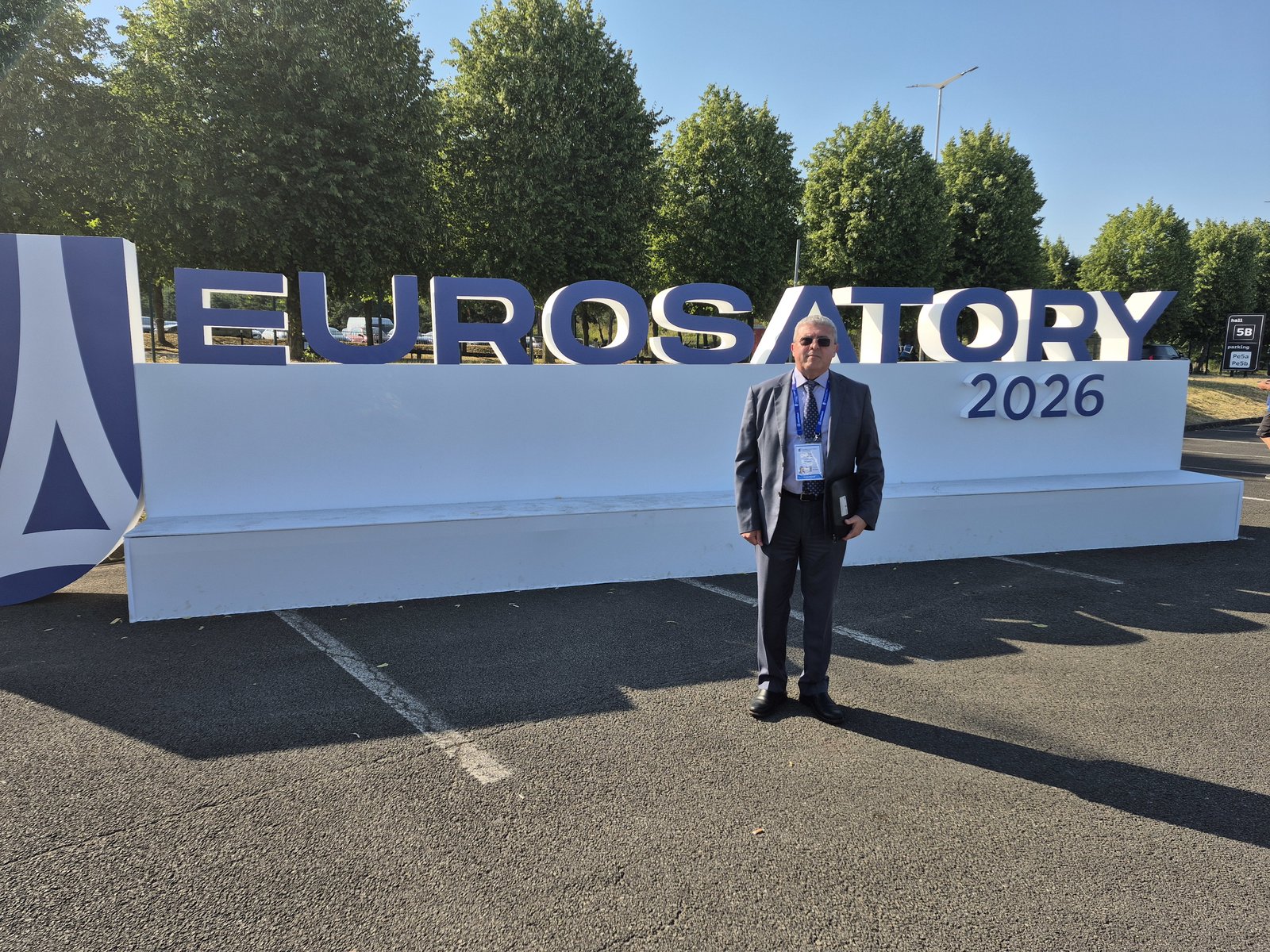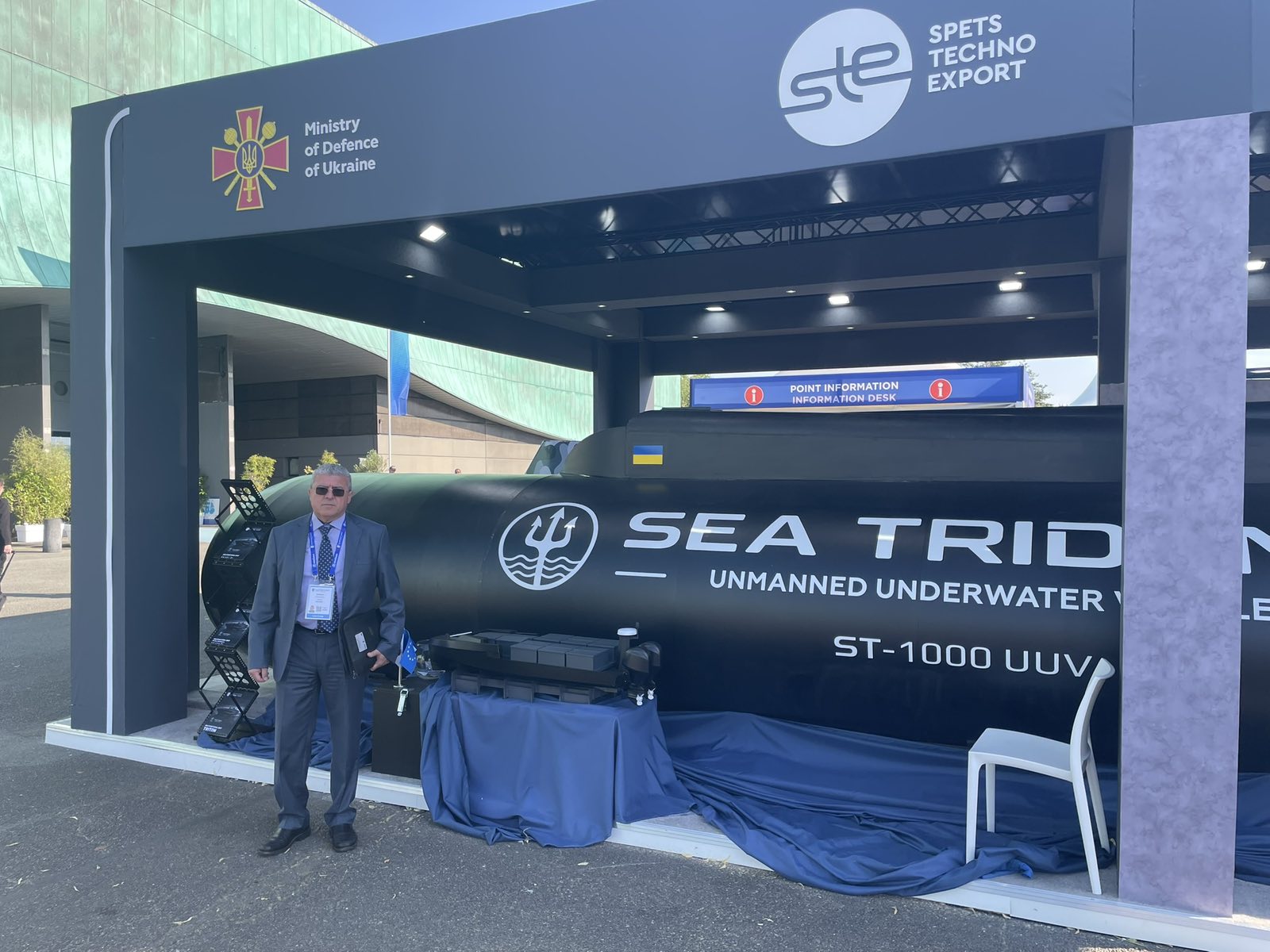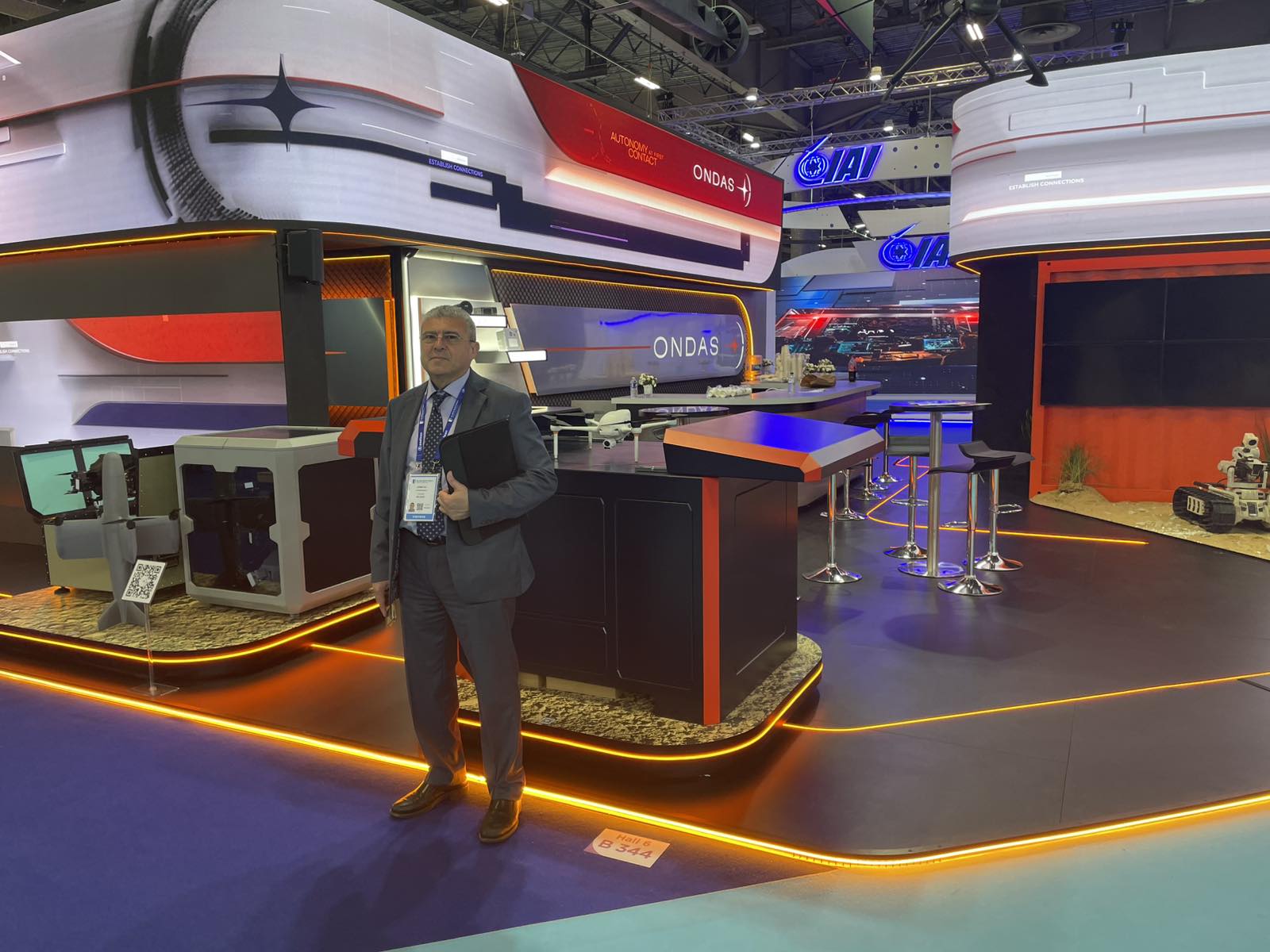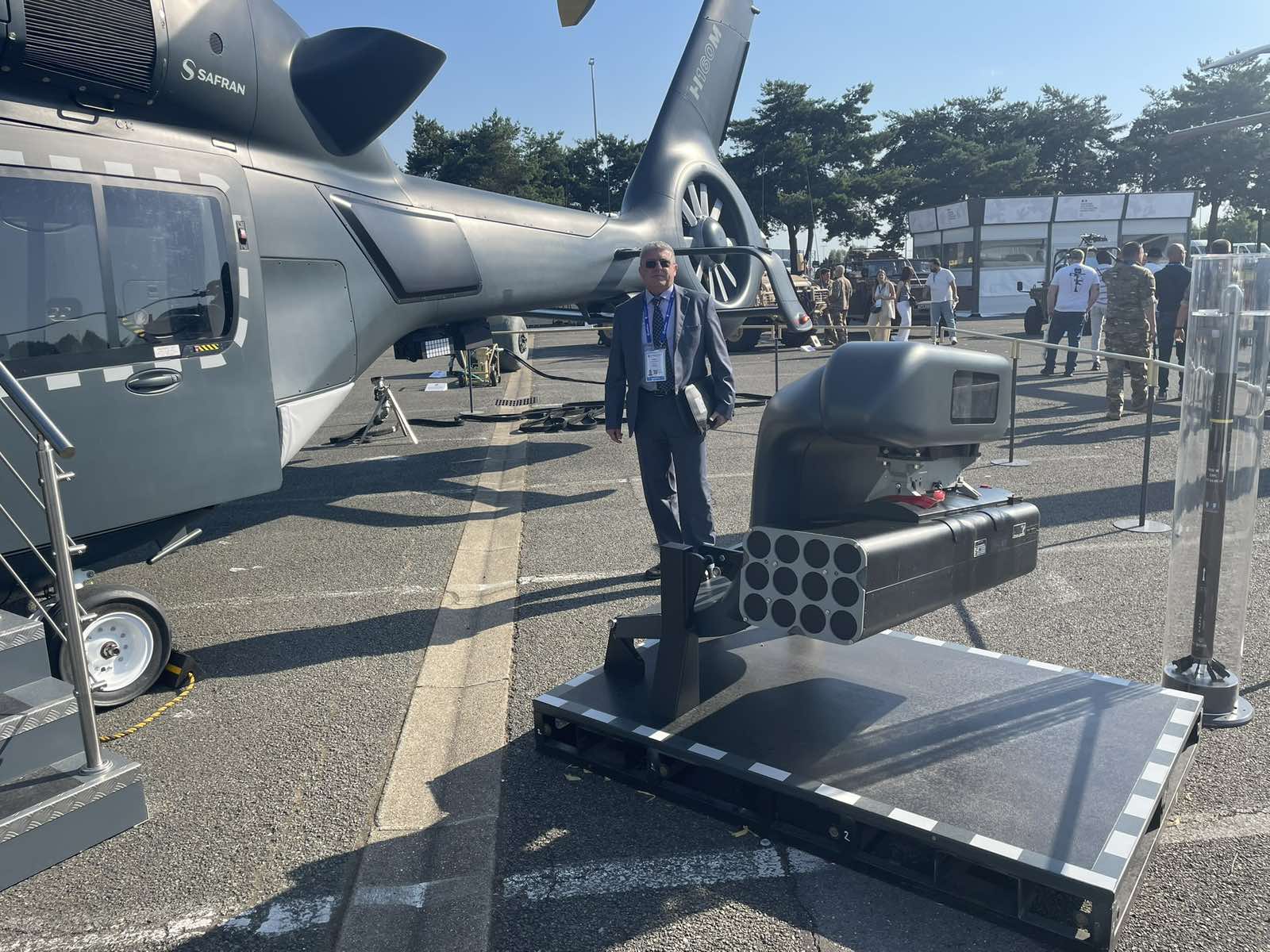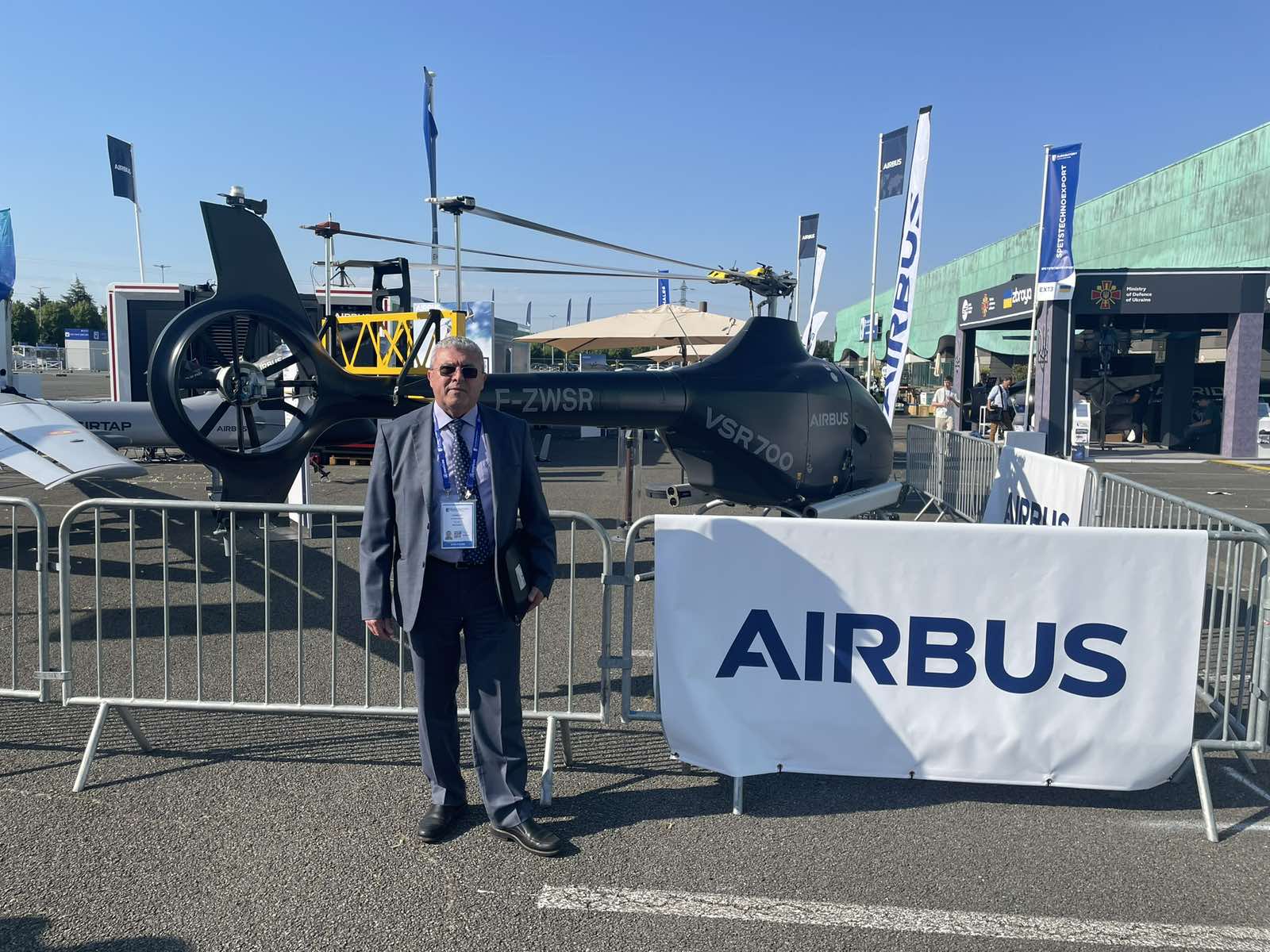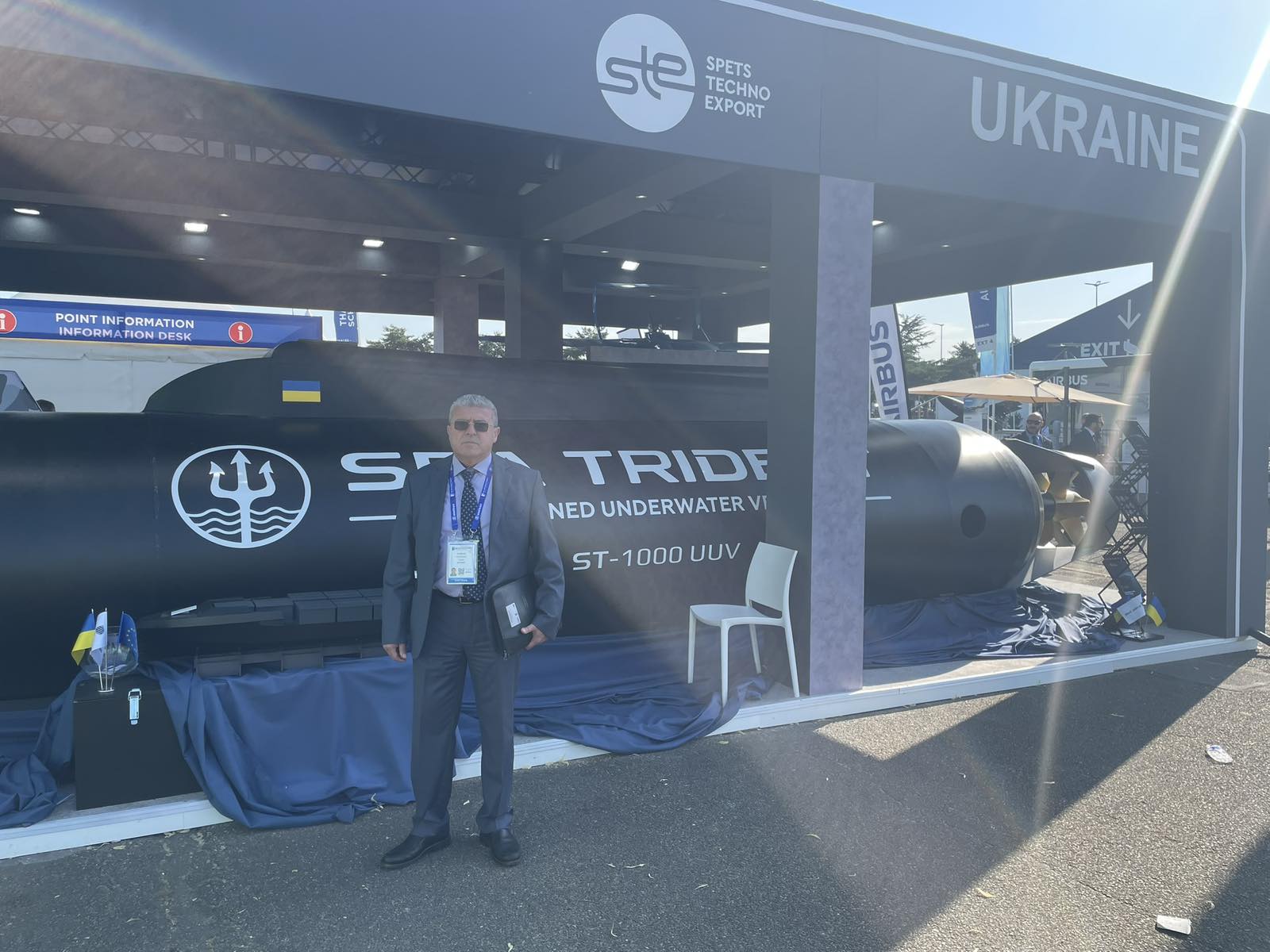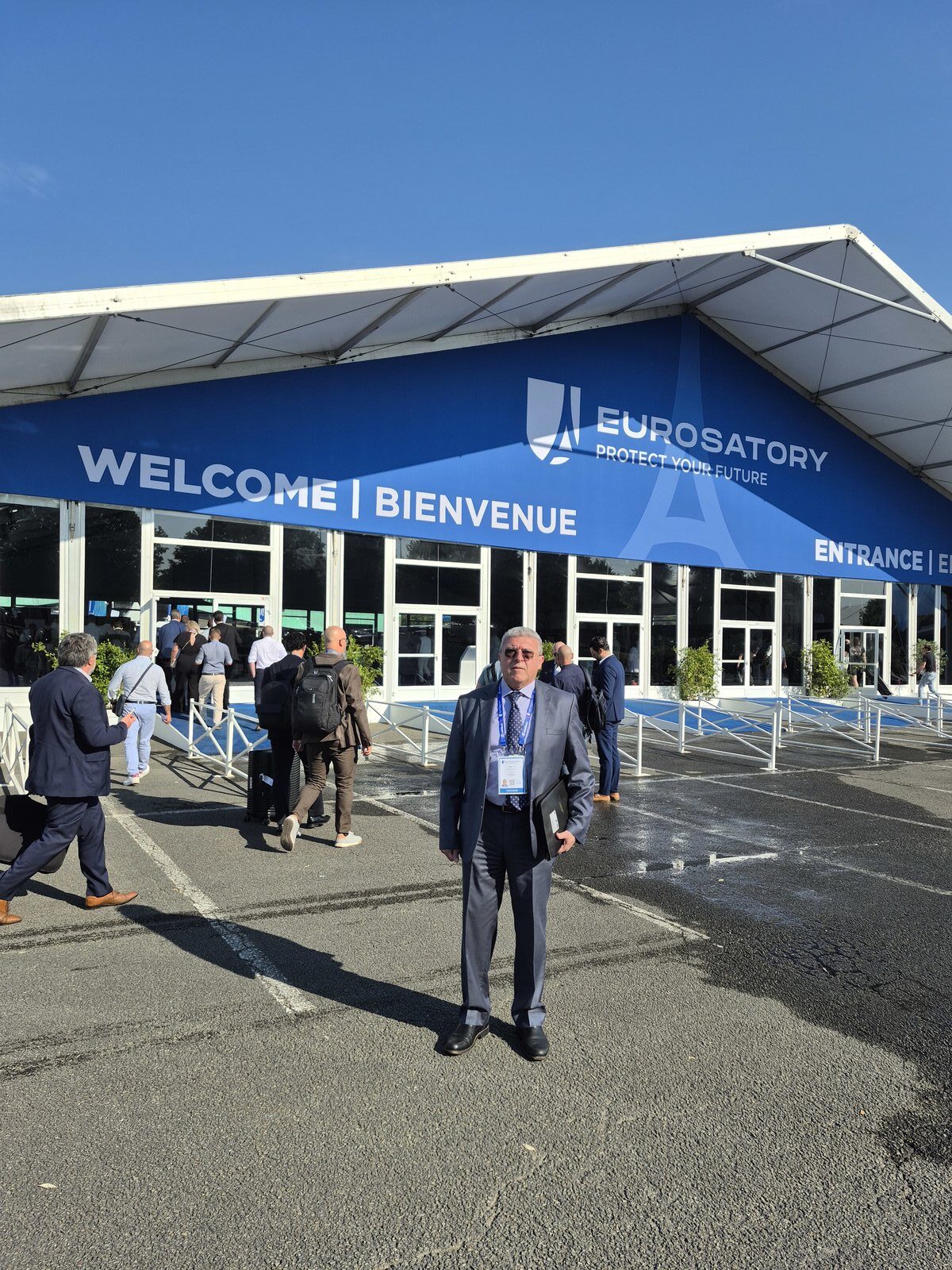
As Europe’s defence industrial base enters a new era of urgency and investment, Eurosatory 2026 served as the clearest barometer yet of how rapidly the continent’s security landscape is being reshaped. EUDIMA attended the world’s largest land and airland defence and security exhibition, held from 15 to 19 June 2026 at the Paris Nord Villepinte Exhibition Centre, represented by its CEO, Commodore (ret.) Antonios Boumpas, Hellenic Navy, and members of its team.
The 2026 edition was the most ambitious in Eurosatory’s 59-year history. Expanding into Hall 4 for the first time, the exhibition covered more than 185,000 square metres of floor space and brought together over 2,000 exhibitors from more than 60 countries, alongside over 350 official procurement and government delegations from approximately 100 nations. More than a third of exhibitors were participating for the first time, a figure that illustrates the broadening of the defence ecosystem well beyond traditional prime contractors to encompass deep-tech firms, dual-use companies, and digital-native start-ups.
A Defining Moment for European Defence
Eurosatory 2026 took place against a backdrop of unprecedented acceleration in European defence policy. Since the European Commission unveiled the ReArm Europe/Readiness 2030 plan on 4 March 2025, aiming to mobilise up to €800 billion in defence investment, a succession of landmark policy developments has reshaped the European defence landscape. The SAFE (Security Action for Europe) instrument, providing €150 billion in EU-backed loans for joint defence procurement, was adopted by the Council in May 2025. The European Defence Industry Programme (EDIP), a €1.5 billion programme to boost industrial manufacturing capacities and strengthen joint procurement, received final Council approval in December 2025, with its first calls for proposals launched in March 2026. Eurosatory opened just weeks after these instruments became operational, giving the exhibition an unusually direct connection to the policy machinery driving Europe’s industrial ramp-up.
The opening ceremony, presided over by Catherine Vautrin, France’s Minister of the Armed Forces and Veterans Affairs, and Andrius Kubilius, EU Commissioner for Defence and Space, set the tone for an exhibition defined by operational urgency and industrial acceleration. Commissioner Kubilius delivered a keynote calling for a unified approach to European defence capabilities, emphasising the need for Europe to reduce its reliance on external suppliers and close the continent’s production gaps relative to its strategic competitors.
Unmanned Systems, Partnerships, and the Defence Finance Revolution
No theme dominated the exhibition floor more visibly than the unmanned revolution. Drones, loitering munitions, uncrewed ground vehicles, and counter-UAS systems were present across virtually every product category, reflecting the operational lessons of the conflict in Ukraine and the industrial maturity that drone warfare has now reached. From Rheinmetall’s LongClaw light glide bomb to Milrem Robotics’ joint robotic combat solutions, the exhibition demonstrated that unmanned systems have moved decisively from prototype to production.
Equally prominent was the surge in industrial partnerships. Dozens of memoranda of understanding, joint ventures, and strategic cooperation agreements were announced during the five-day event. The common thread was clear: companies are no longer pursuing capability development independently, but are increasingly seeking partners that offer complementary technologies, manufacturing capacity, or access to regional markets. Agreements spanning Poland, Ukraine, Greece, and South Korea underscored the geographic breadth of this trend, with European governments placing growing emphasis on domestic production and supply chain resilience.
Perhaps the most structurally significant innovation of Eurosatory 2026, however, was not a weapons system at all. It was the introduction of a dedicated Defence Finance Cluster, bringing banks, investment funds, insurers, and EU institutional financing bodies onto the exhibition floor for the first time in the event’s history. The cluster’s centrepiece, ECOFIN Day on 17 June, convened investors, European institutions, and defence industry players to address the major challenges surrounding defence financing and industrial sovereignty. The message was unmistakable: the boundary between the defence industrial base and European capital markets is narrowing, and the full realisation of the ReArm Europe ambition will require private capital at a scale the sector has never previously attracted.
Greek Defence Industry: A Growing International Footprint
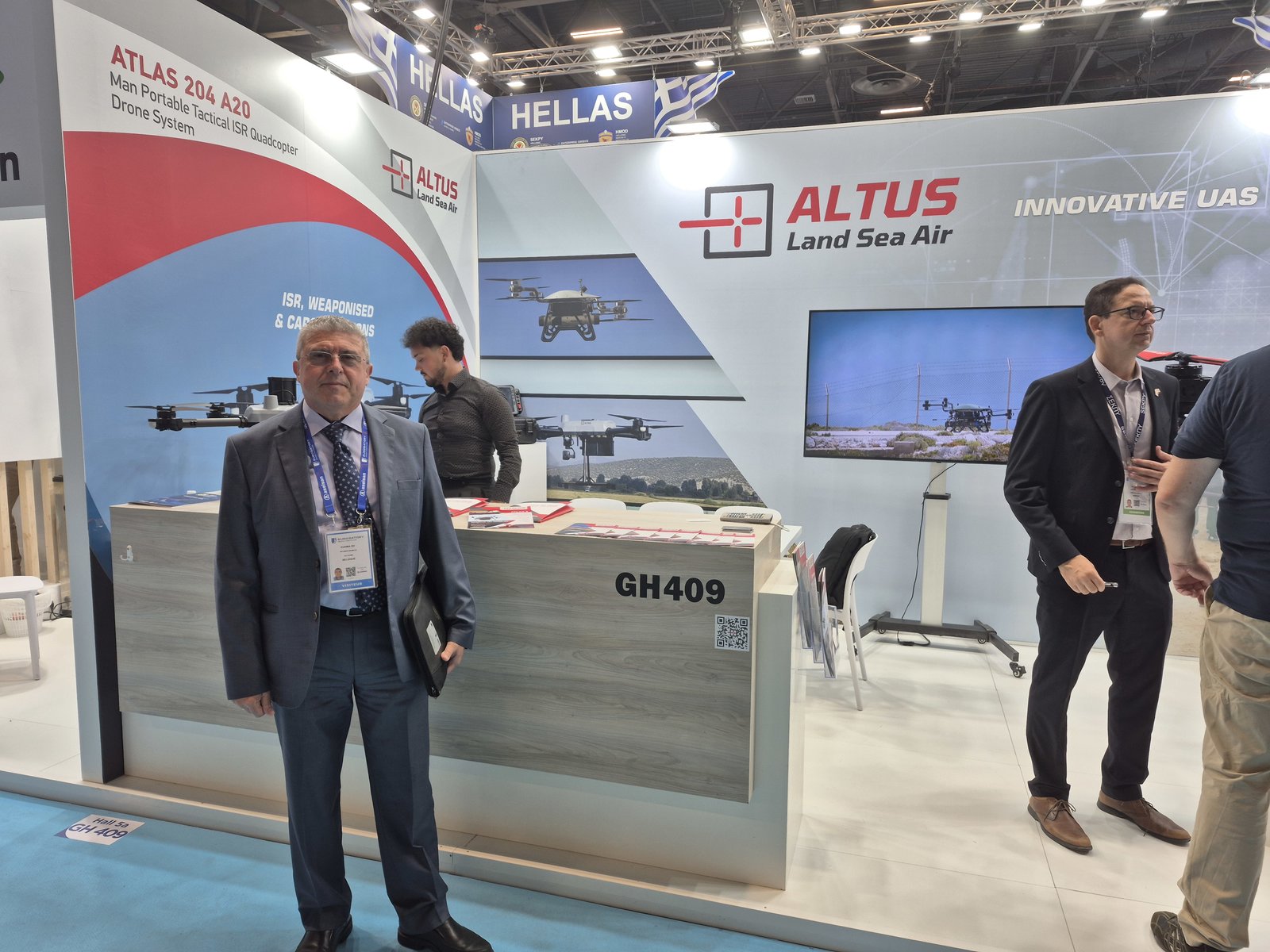
The Greek National Pavilion, organised by the Hellenic Manufacturers of Defence Material Association (SEKPY), featured fourteen companies and marked one of the most active Greek appearances at a Eurosatory edition. The breadth and sophistication of the Greek exhibits reflected the country’s deepening integration into European defence supply chains and its positioning as a credible partner for collaborative programmes.
Among the highlights, ALTUS LSA, in cooperation with MBDA, unveiled the KERVEROS UAV in an armed configuration equipped with two AKERON MP anti-tank guided missiles, based on ALTUS’s ATLAS 8 platform. The system has already undergone successful testing in Greece, including inert firing trials at the NAMFI range in Crete in early June 2026, with live-round tests planned in the coming months. An undisclosed customer has ordered two full systems for operational evaluation, with first deliveries expected by year-end.
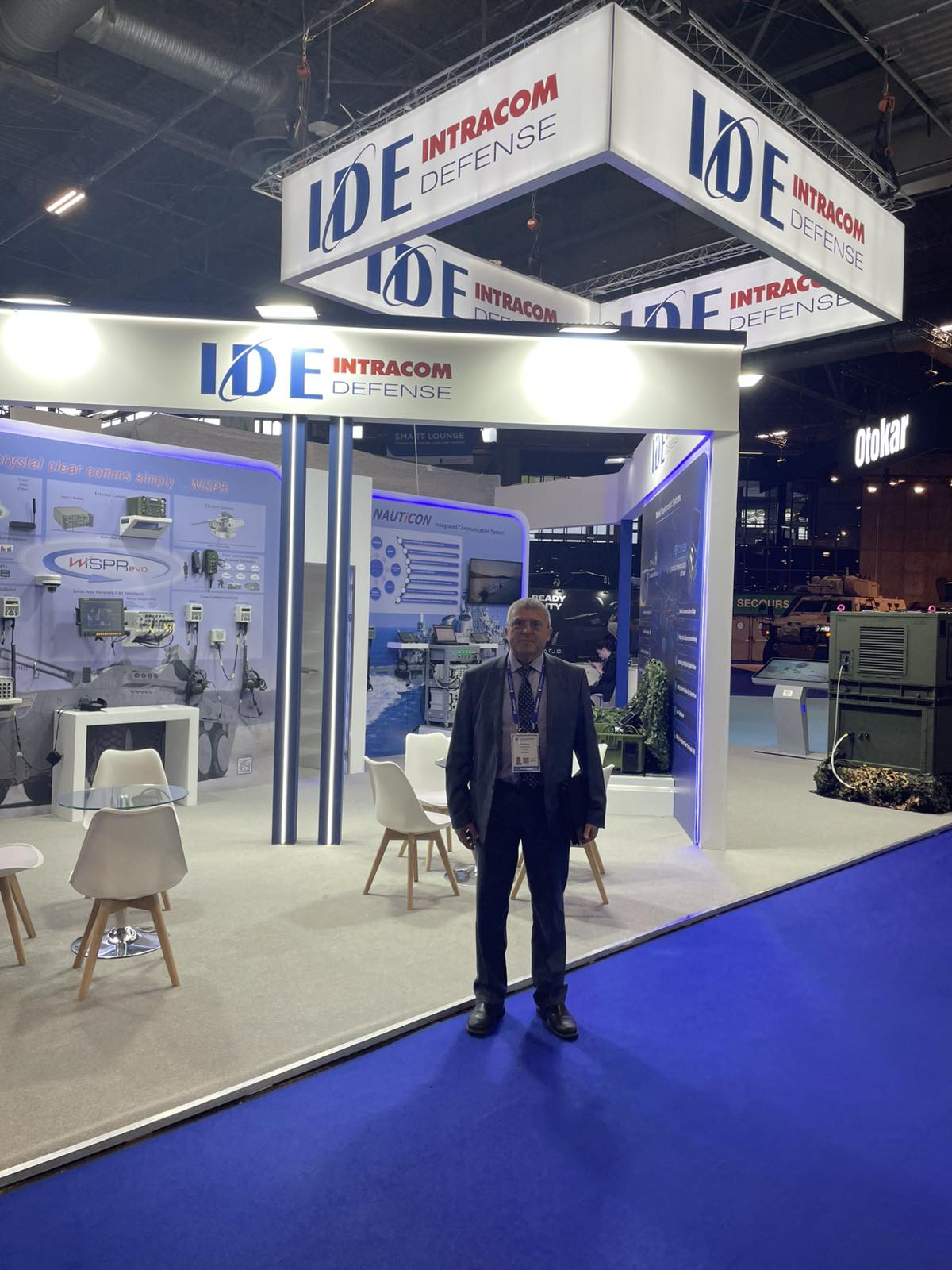
Intracom Defense (IDE), exhibiting independently with its own stand, presented its new HECCS (Hybrid Energy and Climate Control System) hybrid power generator, designed specifically for air and missile defence applications. The company also highlighted the WiSPRevo CIS tactical communications system, recently selected for Lithuania’s Leopard 2A8 tanks and field-tested under arctic conditions in Finland. IDE’s stand received visits from the Greek Ambassador to France, the Director General of GDAEE (General Directorate for Defence Armaments and Investments), and senior officials from the Hellenic National Defence General Staff.
Beyond these, several other Greek companies presented products and services across a range of capabilities, from advanced composite materials and satellite communications to data analytics and armoured vehicle components, further underscoring the diversity and growing maturity of the Greek defence industrial base.
Franco-Cypriot Defence Industry Seminar
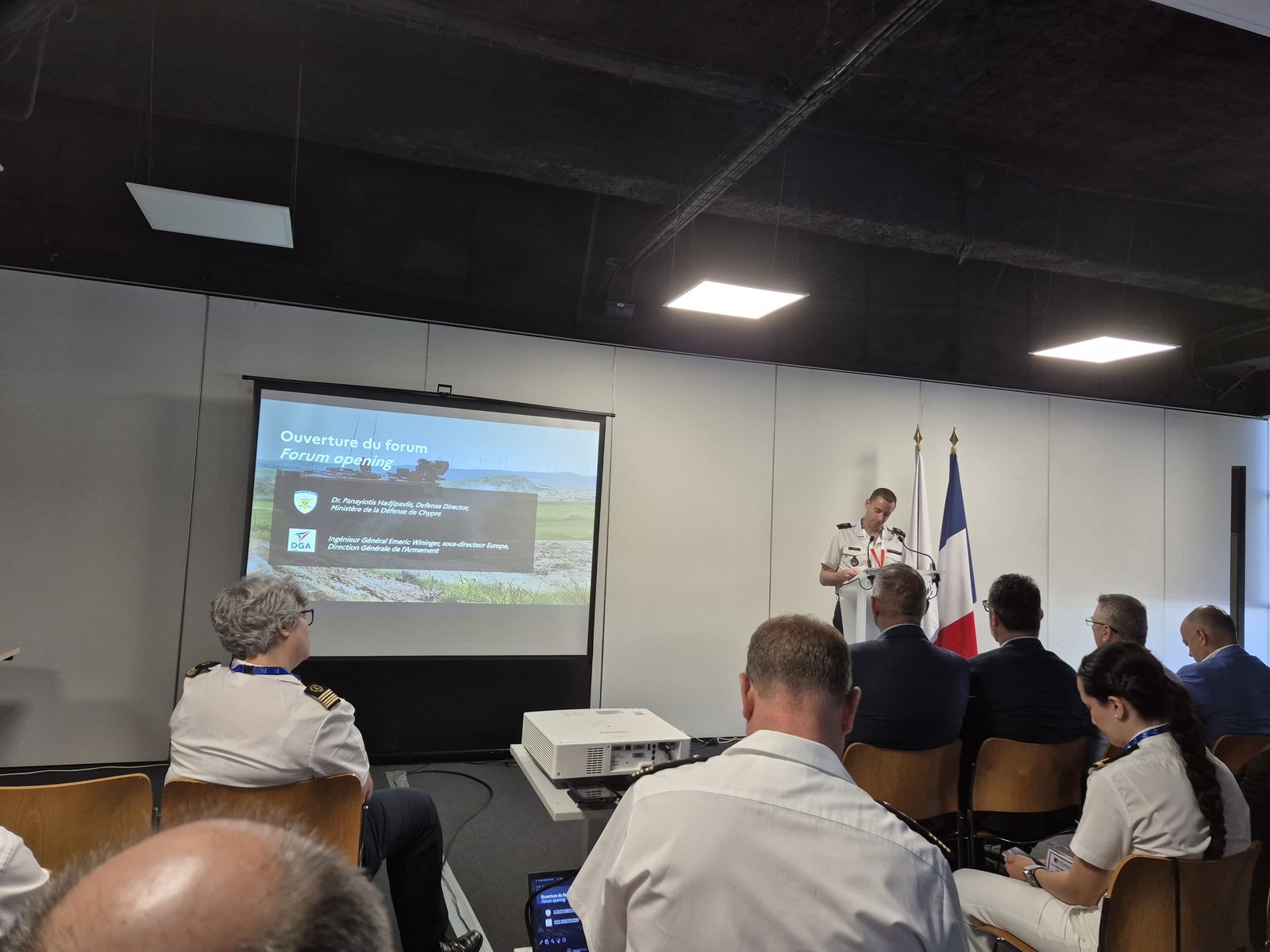
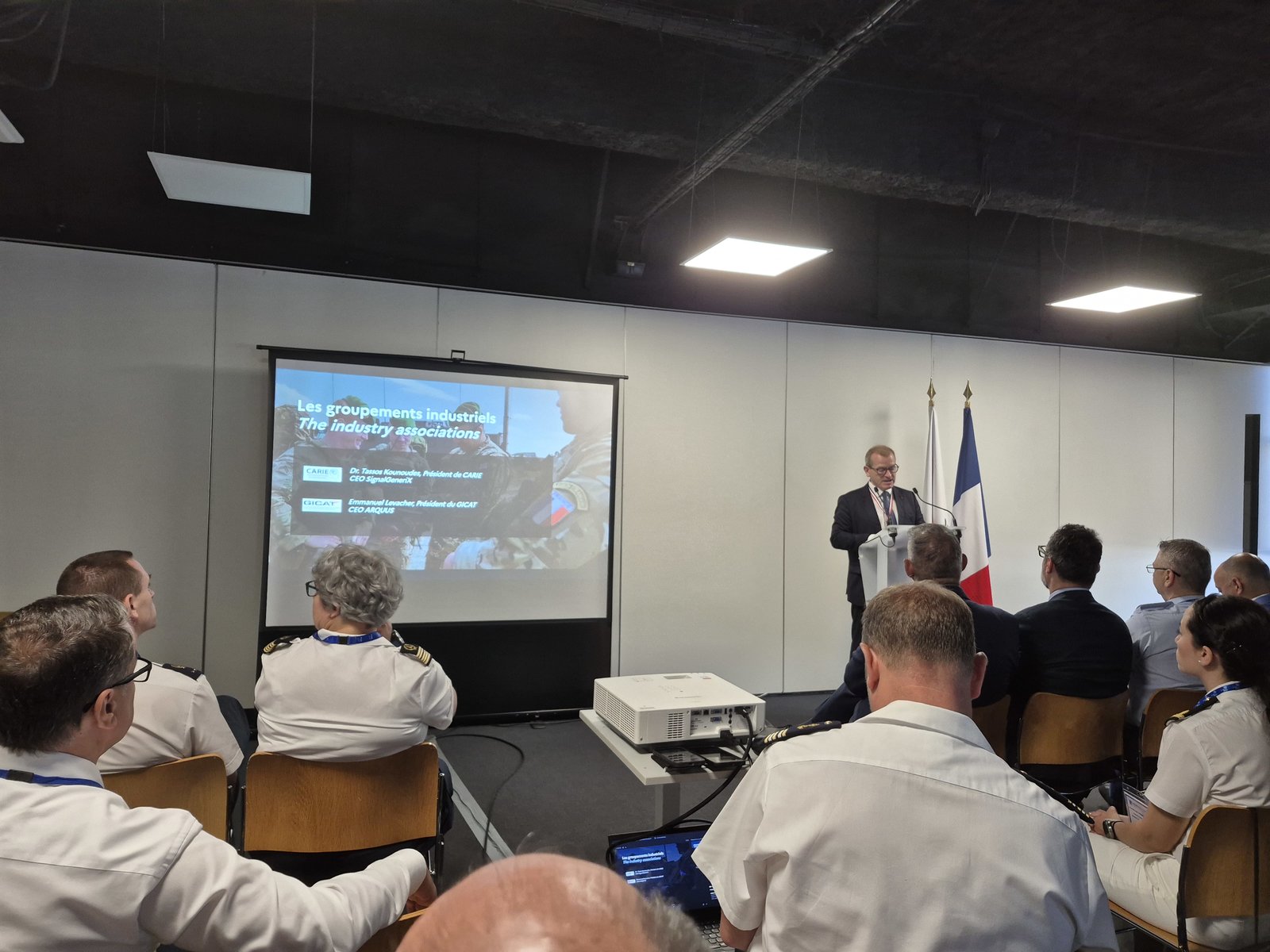
On 19 June, on the sidelines of the exhibition, the Cyprus Ministry of Defence and France’s Direction Générale de l’Armement (DGA) co-organised a Franco-Cypriot Defence Industry Seminar. The event brought together representatives from the Cyprus Defence and Space Industry Cluster (CyDSIC), the Cyprus Association of Research and Innovation Enterprises (CARIE), and the French defence industry association GICAT, alongside investment promotion organisations Invest Cyprus and Business France, as well as a significant number of Cypriot and French defence companies.
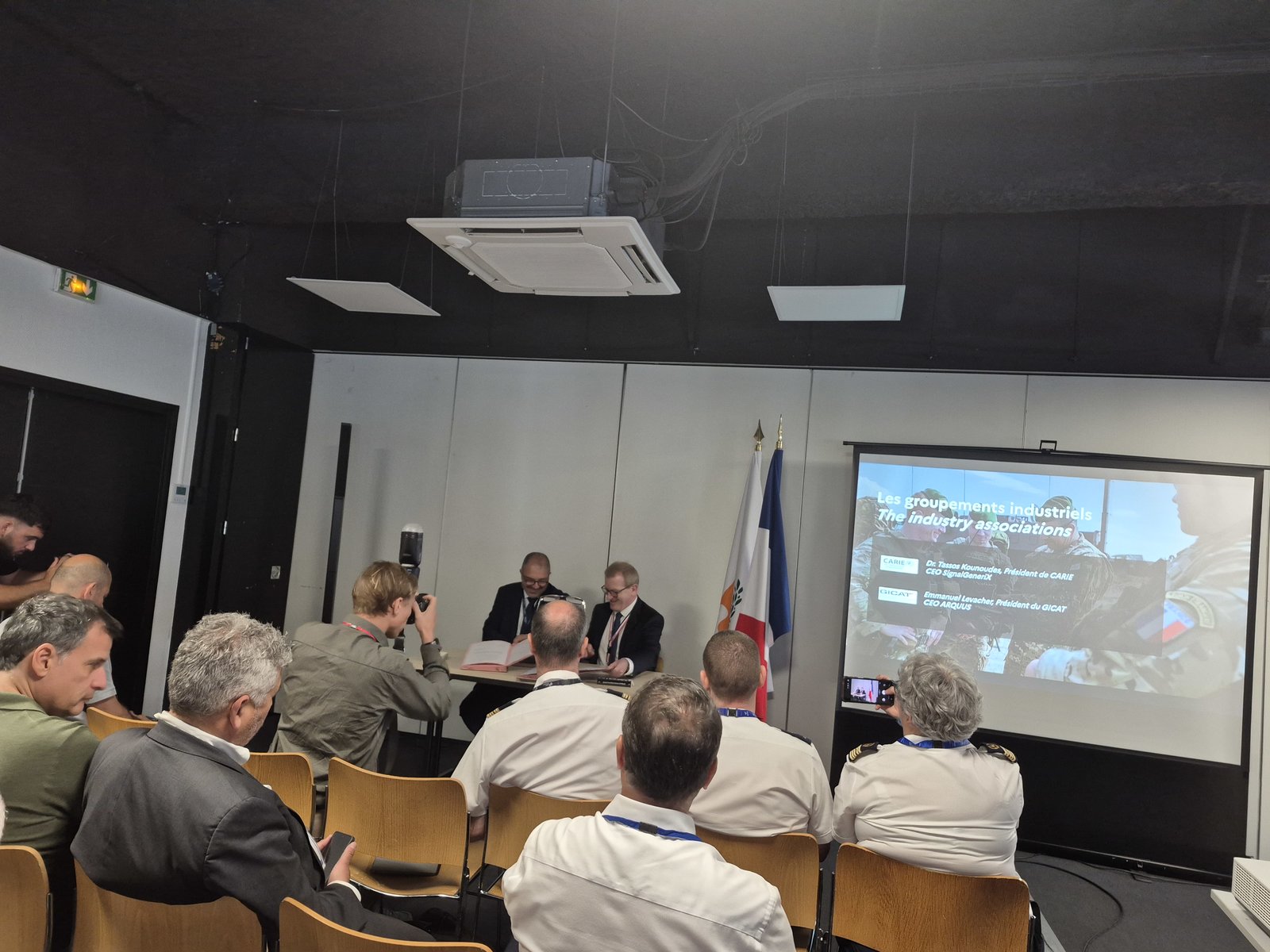
The seminar featured presentations on the capabilities and strategic priorities of both countries’ defence industrial ecosystems, with particular emphasis on cooperation opportunities at bilateral level and within the framework of European defence initiatives such as EDIP and SAFE. A key milestone was the signing of a Memorandum of Understanding between CyDSIC, CARIE, and GICAT, laying the institutional foundations for structured cooperation between the Cypriot and French defence ecosystems. The event also included B2B meetings between Cypriot and French companies, aimed at promoting joint investment and collaborative projects in defence technology and industry.
EUDIMA participated in the seminar, engaging in discussions and facilitating connections between defence industry players. The event came in the context of a rapidly deepening Franco-Cypriot defence relationship, underlined by the Status of Forces Agreement signed in Nicosia on 8 June 2026 by Cypriot Defence Minister Vasilis Palmas and his French counterpart Catherine Vautrin, as well as Cyprus’s €1.18 billion SAFE programme, a significant share of which involves cooperation with French industry.
EUDIMA’s Engagement
For EUDIMA, Eurosatory 2026 provided a concentrated opportunity to take the pulse of Europe’s accelerating defence transformation at close range. The exhibition’s convergence of operational requirements, industrial capacity, and, for the first time, financial infrastructure in a single venue offered strategic intelligence of direct relevance to EUDIMA’s advisory work across the European defence ecosystem.
EUDIMA’s team engaged in substantive discussions with industry partners, institutional representatives, and defence companies across the exhibition. The event provided a platform for facilitating introductions, supporting client engagement, and identifying emerging cooperation opportunities that align with the broader European push for industrial resilience and cross-border collaboration. The themes that defined this edition, from the scaling of unmanned systems and the emphasis on production capacity to the mobilisation of defence financing, are central to the advisory, consortium building, and EU funding support services that EUDIMA provides to its clients across European and Greek defence markets.
Outlook
Eurosatory 2026 confirmed that the European defence landscape has entered a fundamentally different phase. The scale of the exhibition, the volume of industrial agreements, and the introduction of dedicated financial infrastructure all point to a sector being reshaped at a pace that would have been difficult to imagine just a few years ago. The challenge ahead lies in translating political ambition and financial commitment into sustained industrial output, and in ensuring that this transformation reaches the full breadth of Europe’s defence industrial base, including the agile SMEs and innovative companies that this edition so prominently featured.
EUDIMA extends its thanks to the organisers and to all those whose presence and engagement made Eurosatory 2026 an invaluable experience for the European defence community. EUDIMA also wishes to express its particular gratitude to the Republic of Cyprus Ministry of Defence and the Direction Générale de l’Armement for organising the Franco-Cypriot Defence Industry Seminar, an initiative that offered a meaningful platform for bilateral engagement and underscored the growing importance of Franco-Cypriot defence cooperation within the broader European framework.