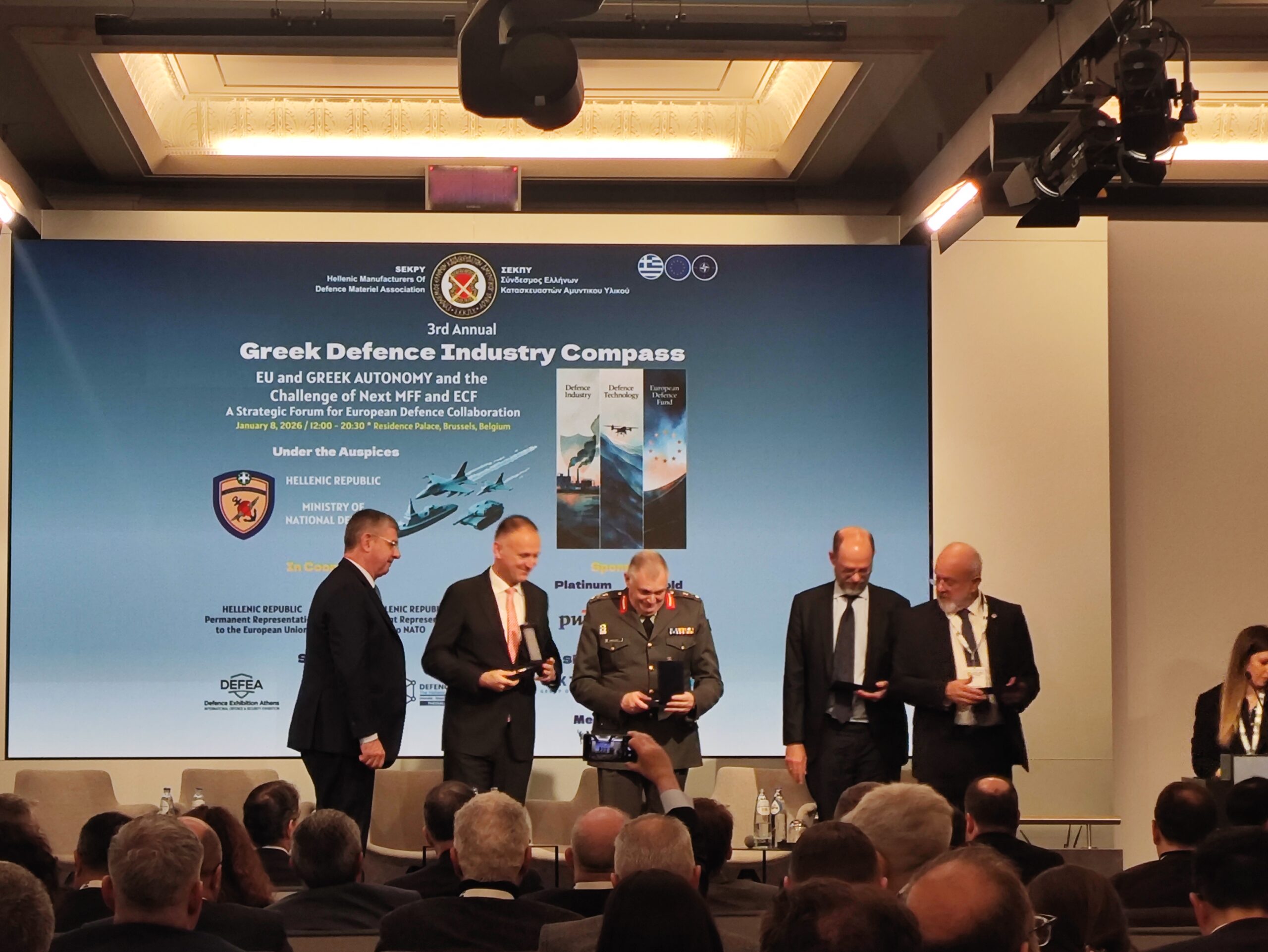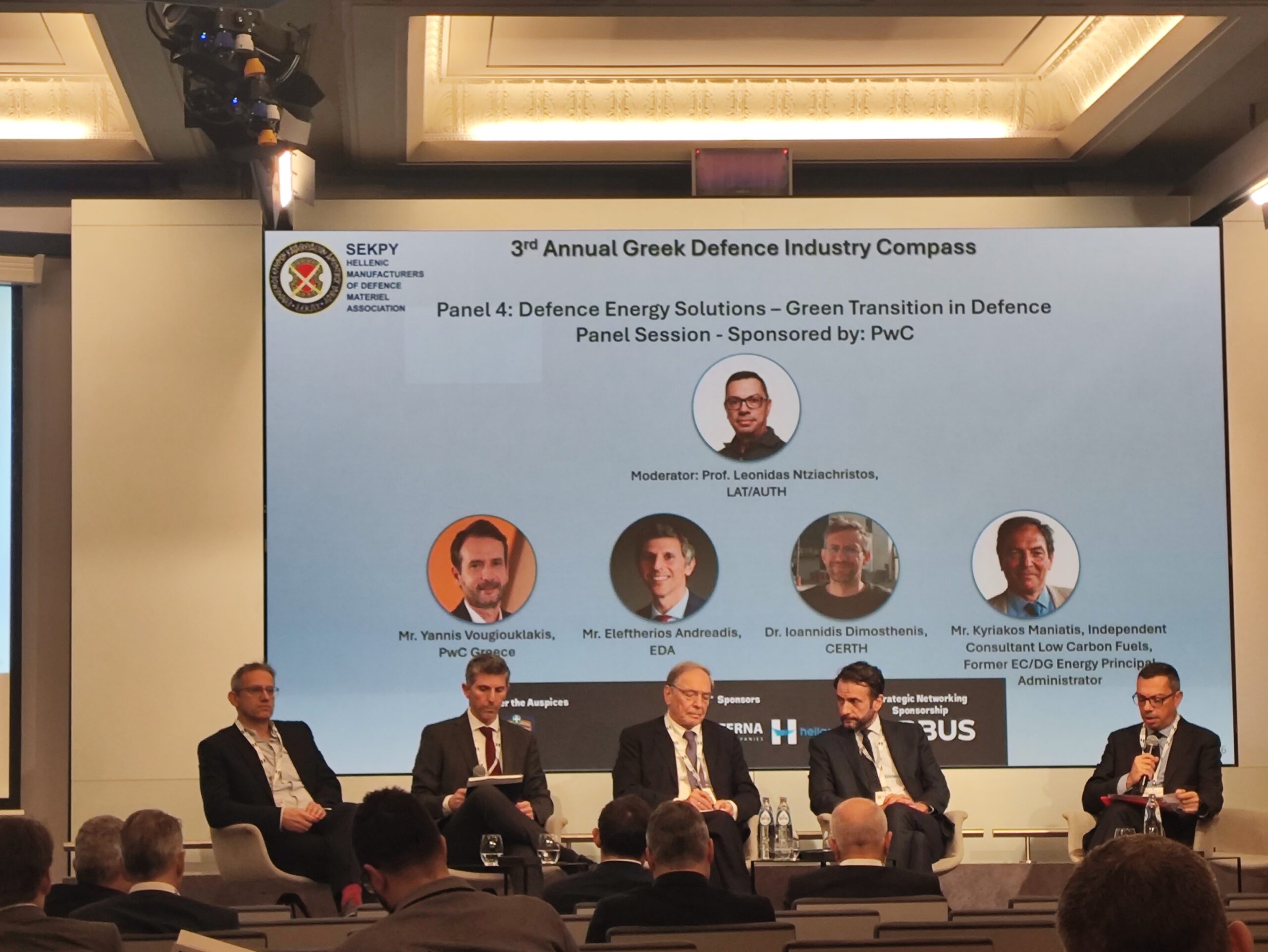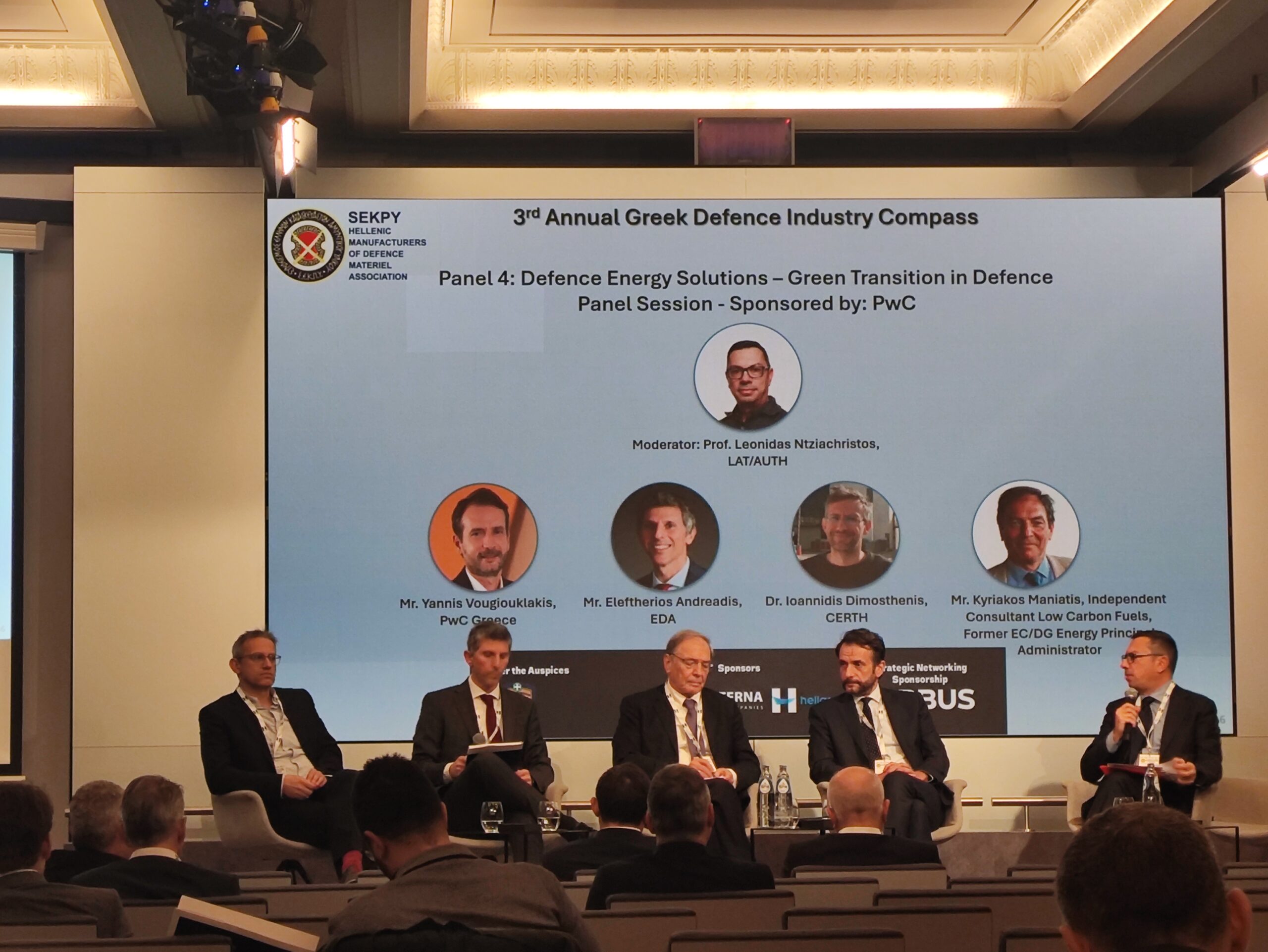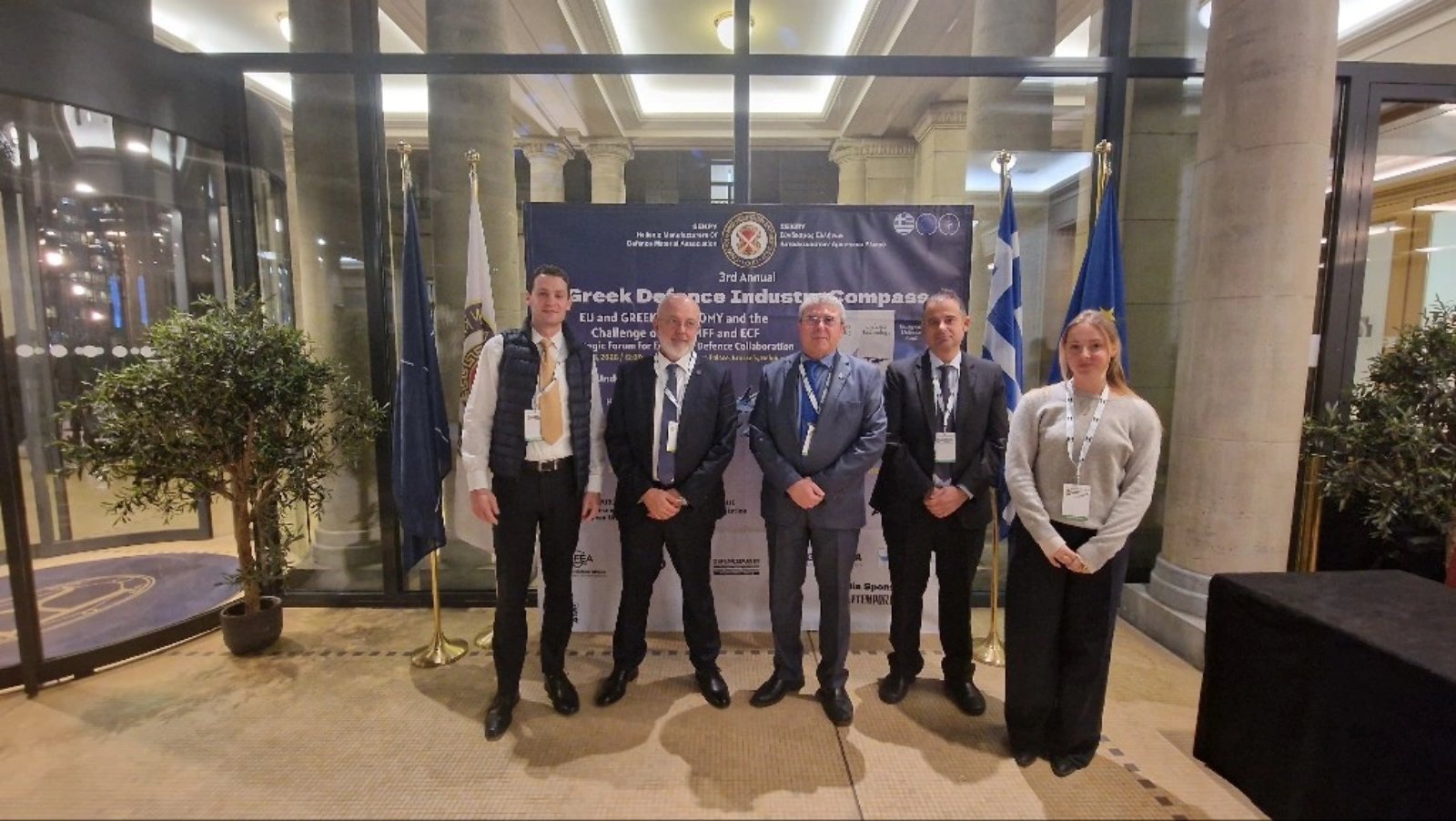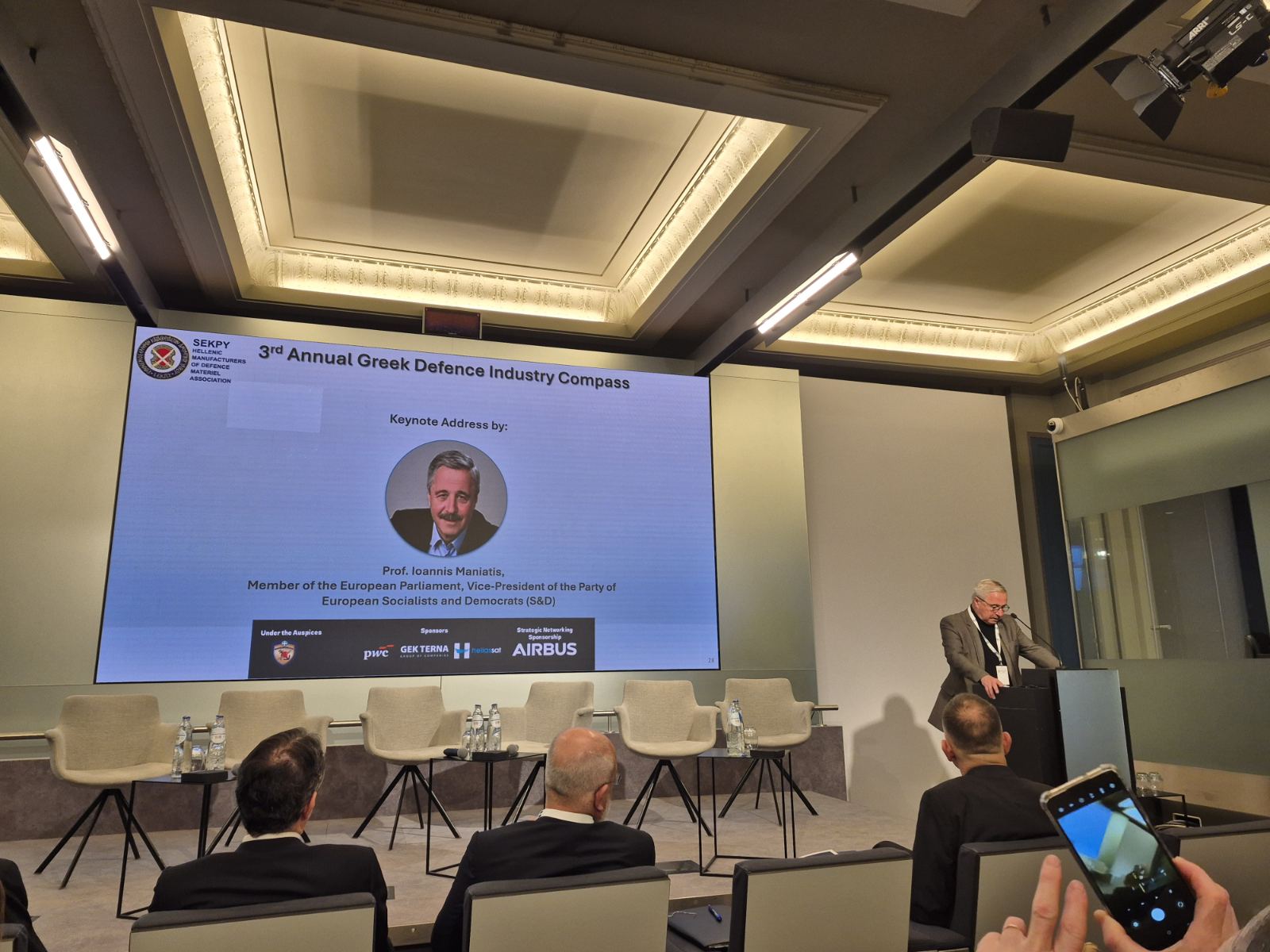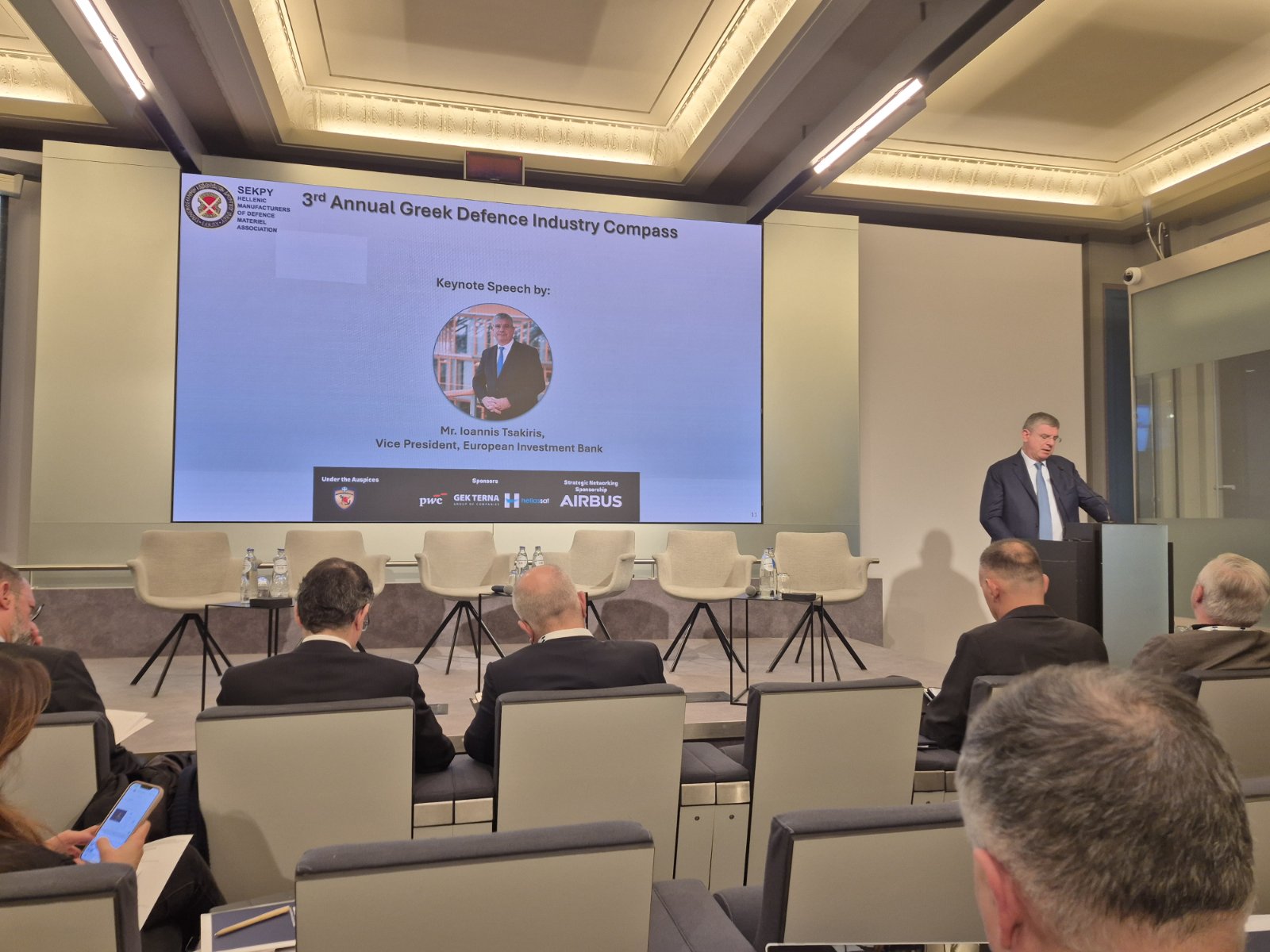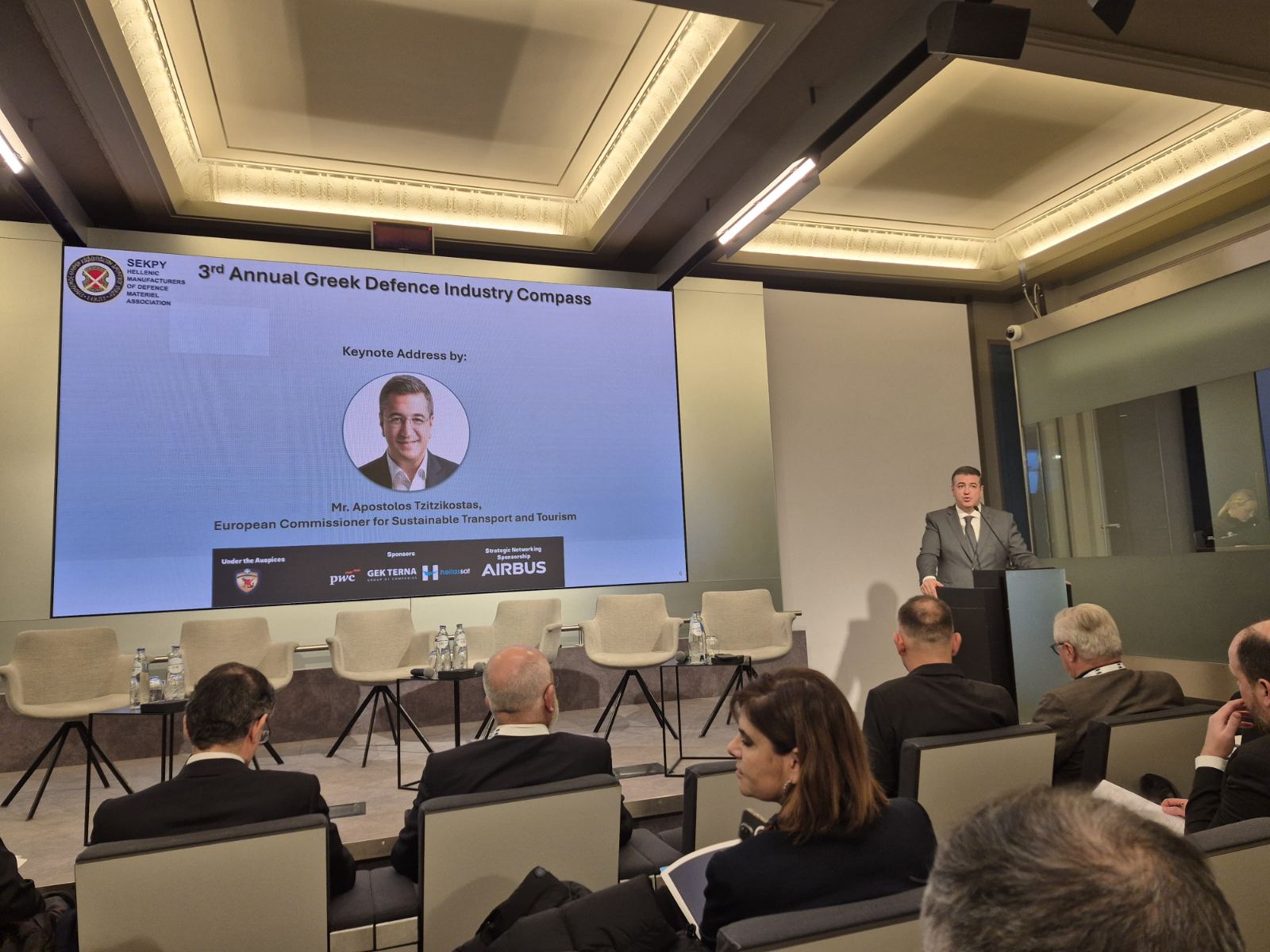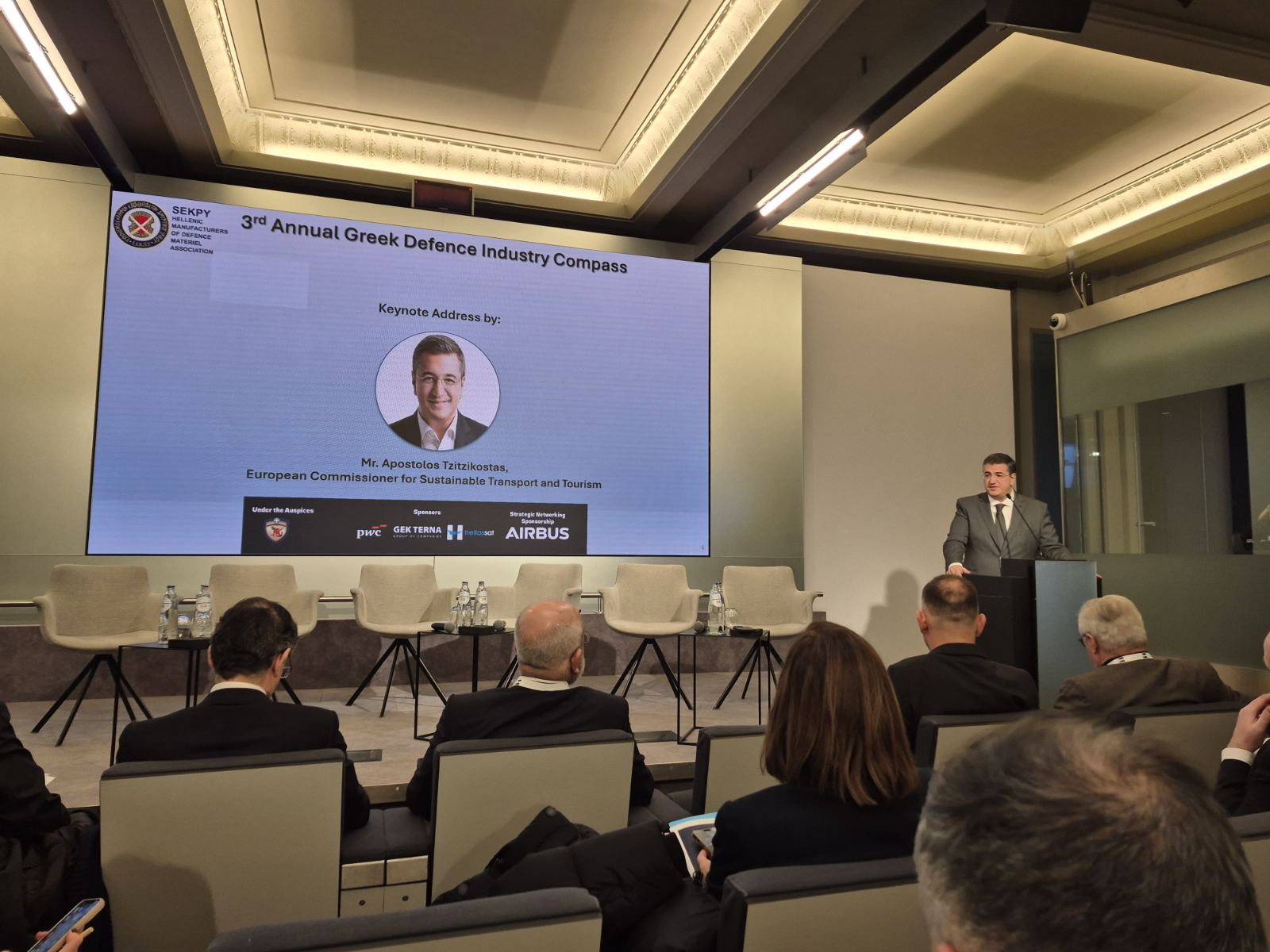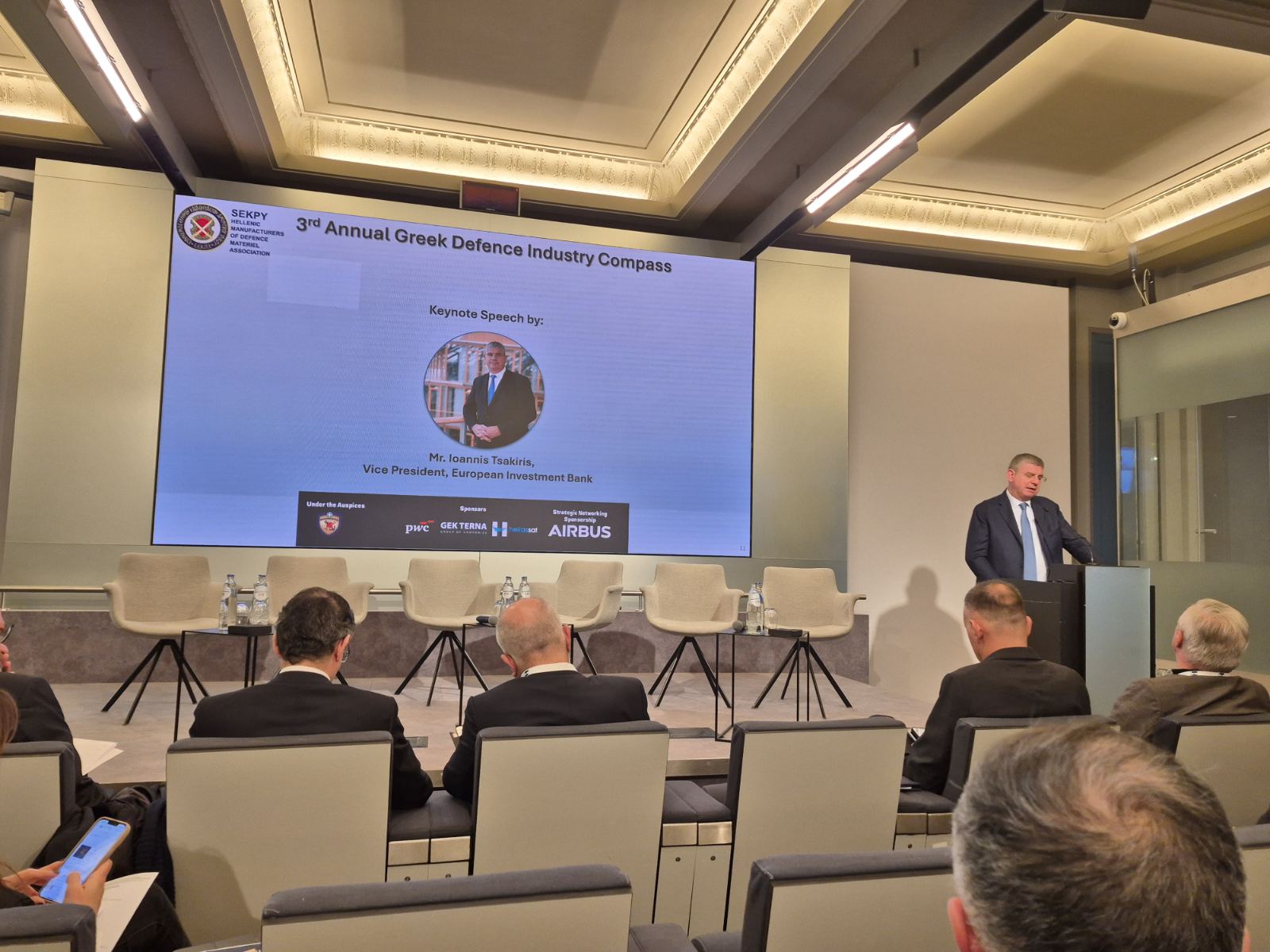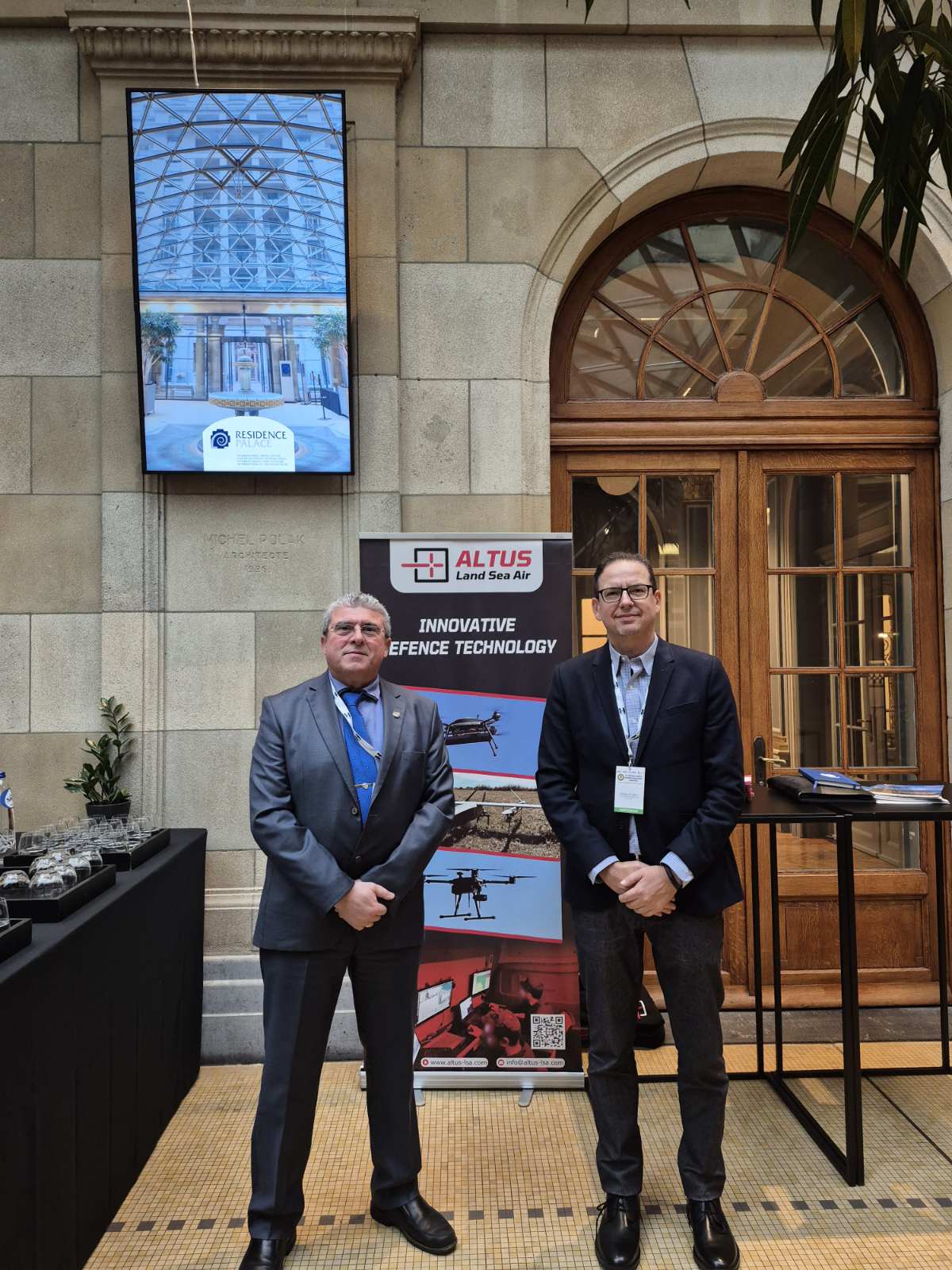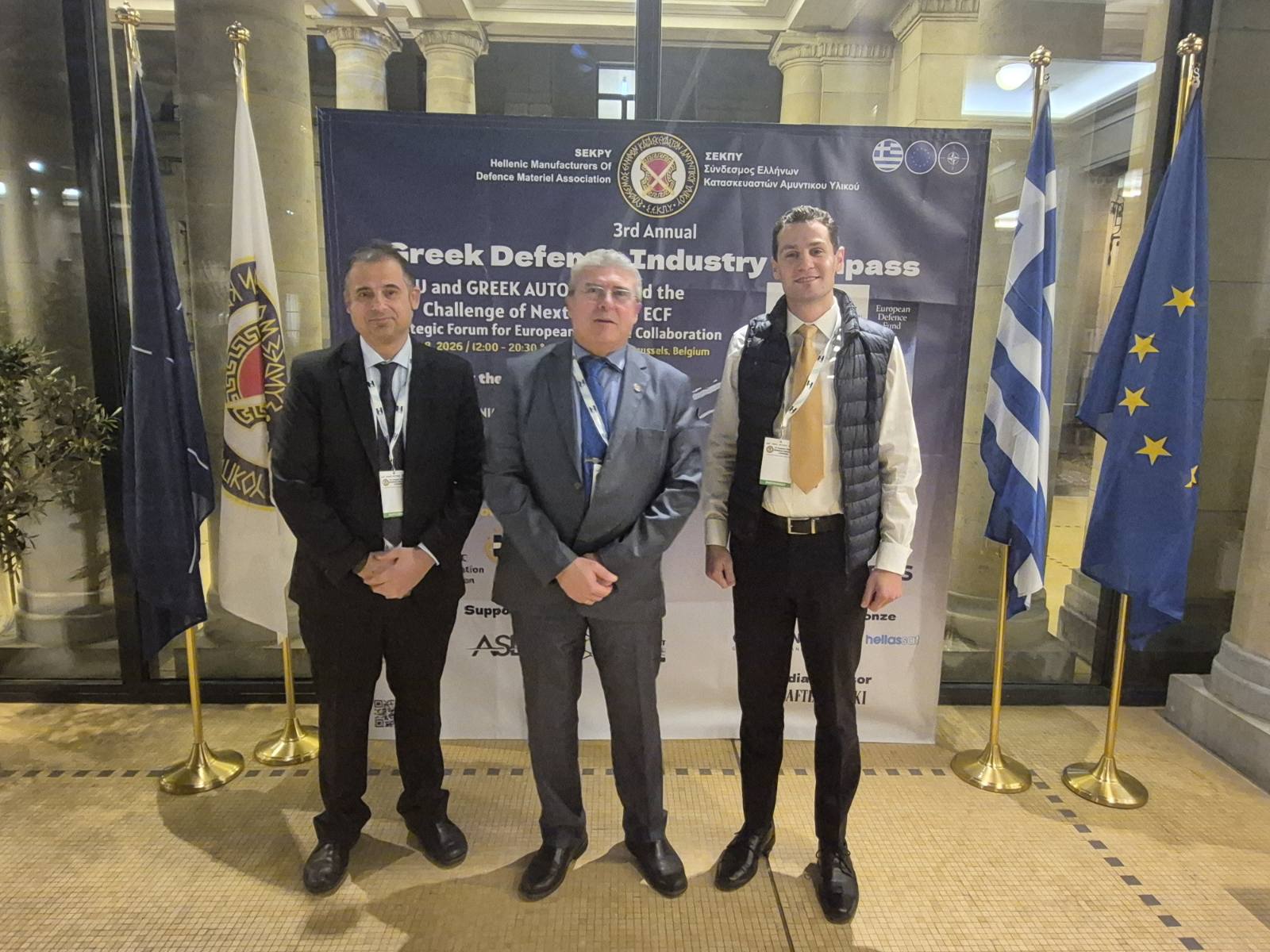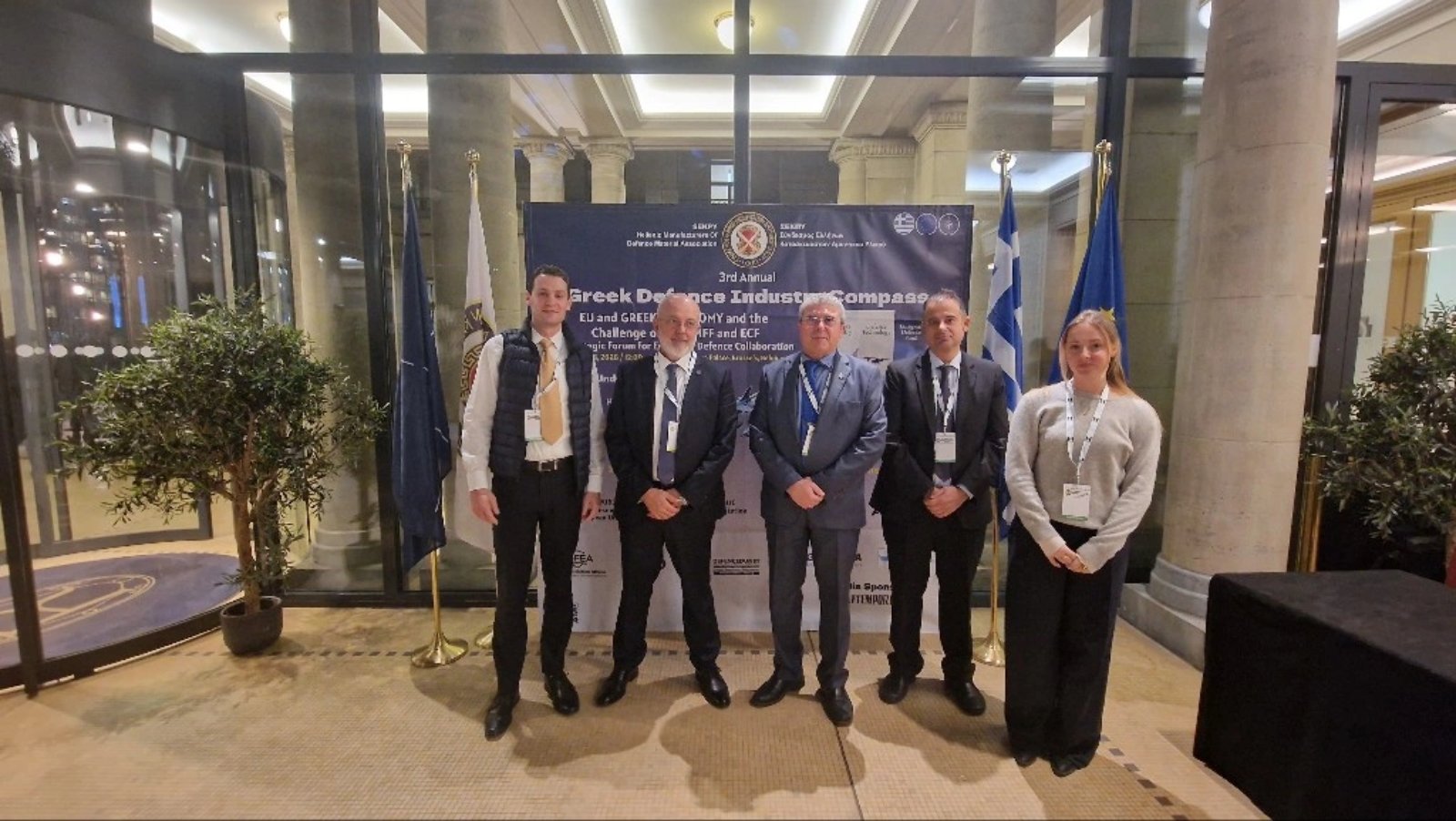
EUDIMA participated in the 3rd Annual Greek Defence Industry Compass, organized by the Hellenic Manufacturers of Defence Materiel Association (SEKPY) at the Residence Palace in Brussels. The event has established itself as an institutional platform for strategic dialogue, industrial cooperation, and business networking within the European defence ecosystem, marking the third consecutive year that Greek defence industry is prominently present in Europe.
The 3rd Annual Greek Defence Industry Compass, organised by the Hellenic Manufacturers of Defence Materiel Association (SEKPY), convened senior representatives from European institutions, national authorities, defence industry leaders, and financial stakeholders to discuss the evolving landscape of European defence autonomy, industrial competitiveness, and funding opportunities under the next Multiannual Financial Framework (MFF) and the European Competitiveness Fund (ECF).
Held in Brussels, the forum served as a high-level platform for dialogue on how European and Greek defence industries, particularly SMEs, can position themselves within a rapidly expanding but increasingly complex EU defence ecosystem.
Opening Addresses
Speakers recognized Greek defence SMEs were recognised for their growing contribution to EU programmes, with a shared call for better coordination, interoperability, and early positioning to fully benefit from the expanding European defence ecosystem. They underscored Roadmap 2030 as the guiding horizon, structured around EDIP, SAFE, the Defence Readiness Omnibus, and the forthcoming MFF 2028–2034, with defence funding consolidated under the European Competitiveness Fund.
Keynote interventions highlighted a decisive acceleration of European defence integration, with unprecedented funding and regulatory reform aimed at turning political ambition into industrial output.
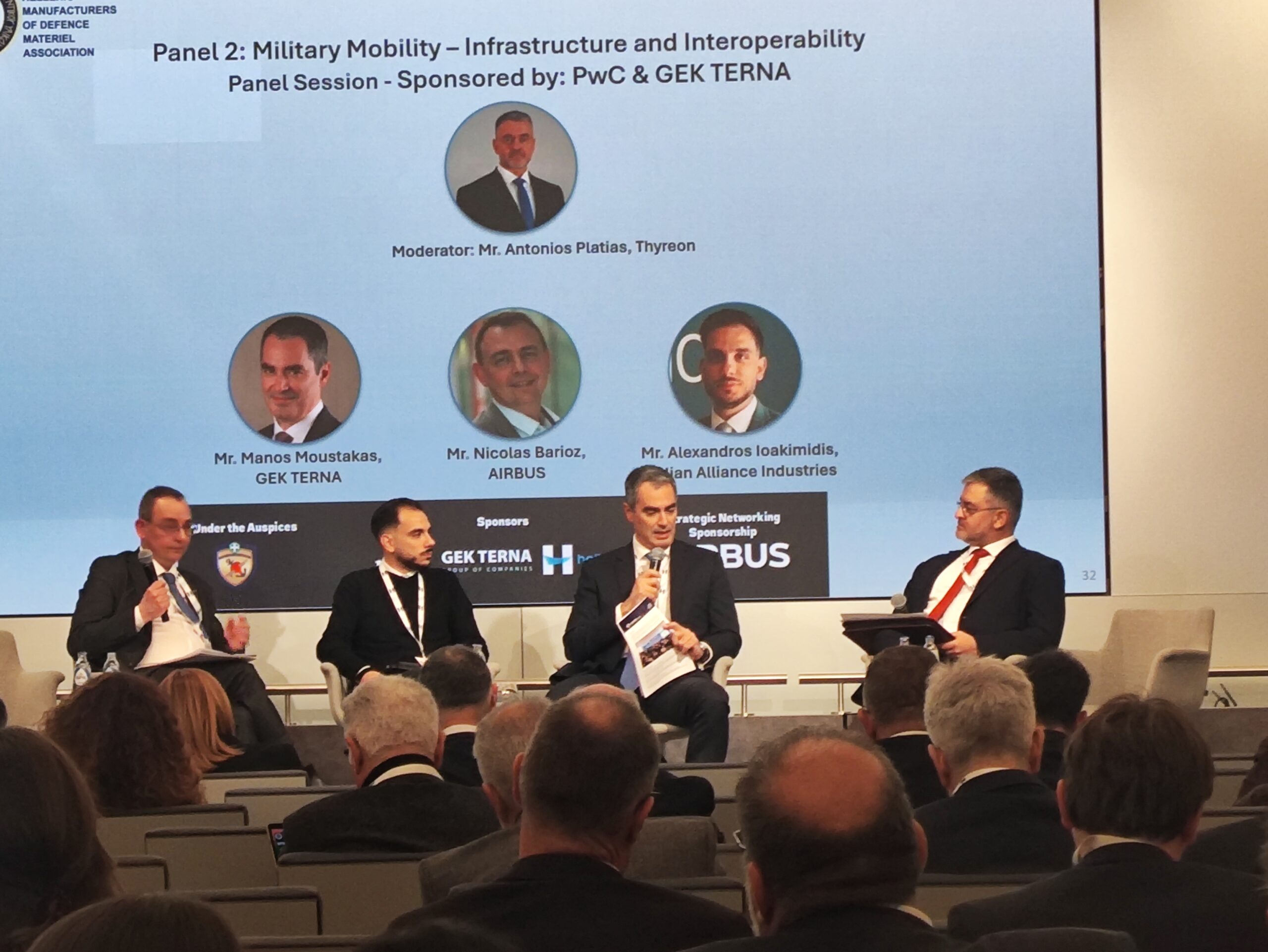
Commissioner Tzitzikostas highlighted military mobility as a cornerstone of Europe’s defence readiness, framing it as a move toward a true “military Schengen.” EU funding for military mobility infrastructure is set to increase tenfold from €1.7bn to €17bn focusing on dual-use transport corridors, ports, rail, and digital systems. With over 500 identified infrastructure “hotspots,” SMEs with capabilities in construction, logistics, digital interoperability, sensors, and dual-use technologies can already access funding through CEF, SAFE, Cohesion Funds, and the ECF, without waiting for the next MFF.
Commissioner Kubilius underscored a paradigm shift from policy to industrial execution. With €131bn allocated to defence and space under the next MFF and €150bn in SAFE loans, the EU is now financing production capacity—not just R&D. The Defence Readiness Omnibus (DRO) will drastically cut permitting timelines, enabling factories to be approved within two months. For SMEs, EDIP introduces strong incentives for joint procurement, European preference, VAT exemptions, and participation in large-scale, EU-backed armament programmes.
Lieutenant General Denk discussed the EDA and its role in the new context wherein he discussed the 9 priority capability components which are built upon existing capabilities. He highlighted concrete SME participation, including Greek involvement in the ASCALS project, proving SMEs can deliver high-value operational solutions. EDA now actively supports Member States in preparing SAFE bids, operates tools such as the EU Defence Funding Identification Tool, and runs initiatives like BRAVE/Bravetech, making it a key entry point for SMEs seeking EU-level defence opportunities.
Mr. Tsakiris announced a historic shift in EIB policy: since mid-2025, the EIB directly finances defence and security projects, including purely military ones. Defence financing reached €3.5bn in 2025 and will rise to €4.5bn in 2026 (5% of total EIB EU financing), supported by a strong pipeline of 30 projects across 20 Member States. Through the EIF, a new ecosystem of defence investment funds is emerging—creating concrete debt and equity pathways for SMEs, including upcoming first EIB defence financing operations in Greece.
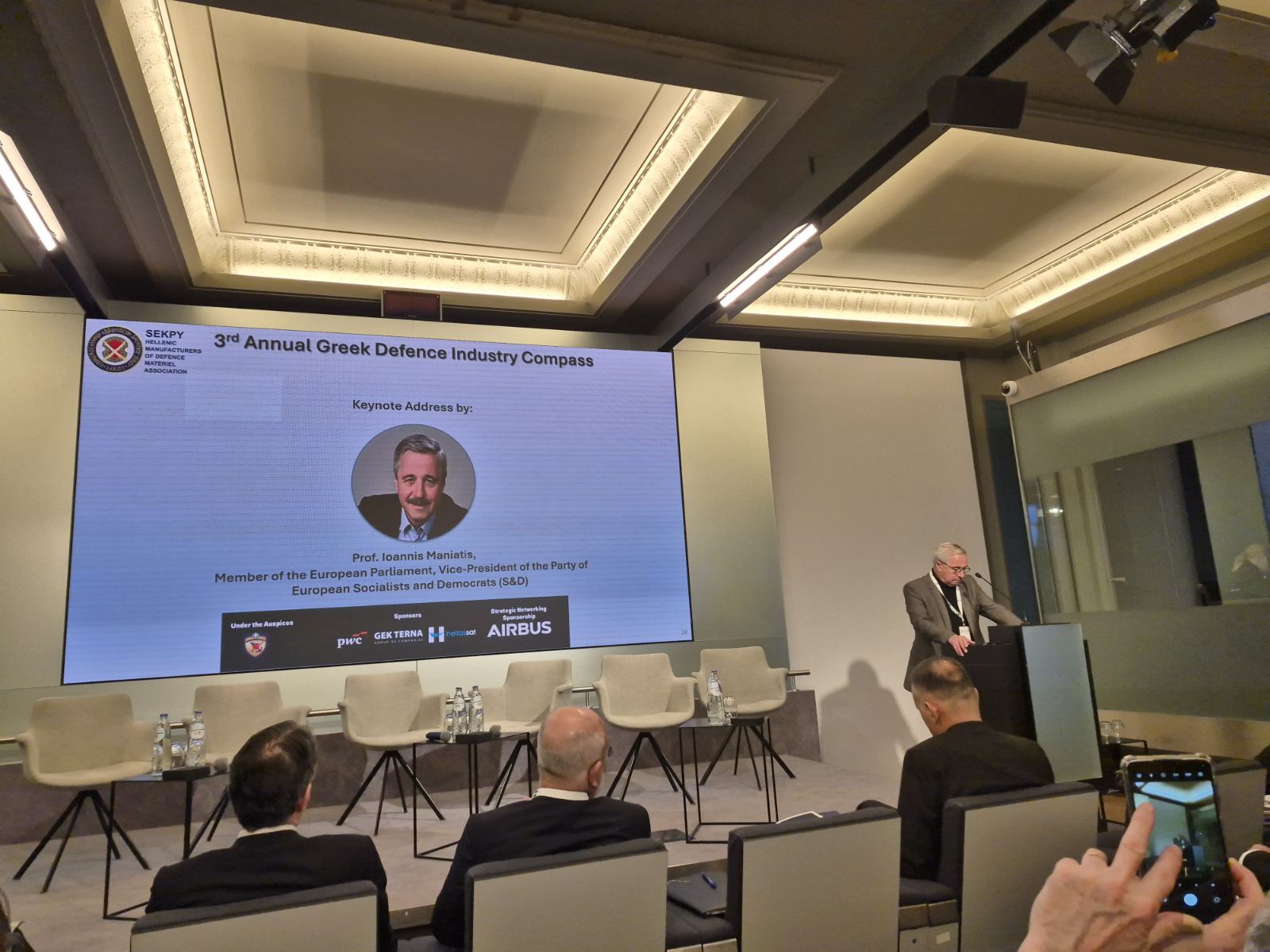
MEP Maniatis framed EDIP and the ECF as a strategic correction to Europe’s long-standing dependence on non-EU defence suppliers. With European defence spending rising from €240bn (2022) to nearly €400bn (2025), and 78% of recent acquisitions sourced outside the EU, European preference has become a strategic necessity. For SMEs, the ECF is transformative—not just because of its size (€130bn+), but because it finally links R&D, industrial development, scaling, and production within one coherent framework, enabling laboratories to become factories and prototypes to reach the market.
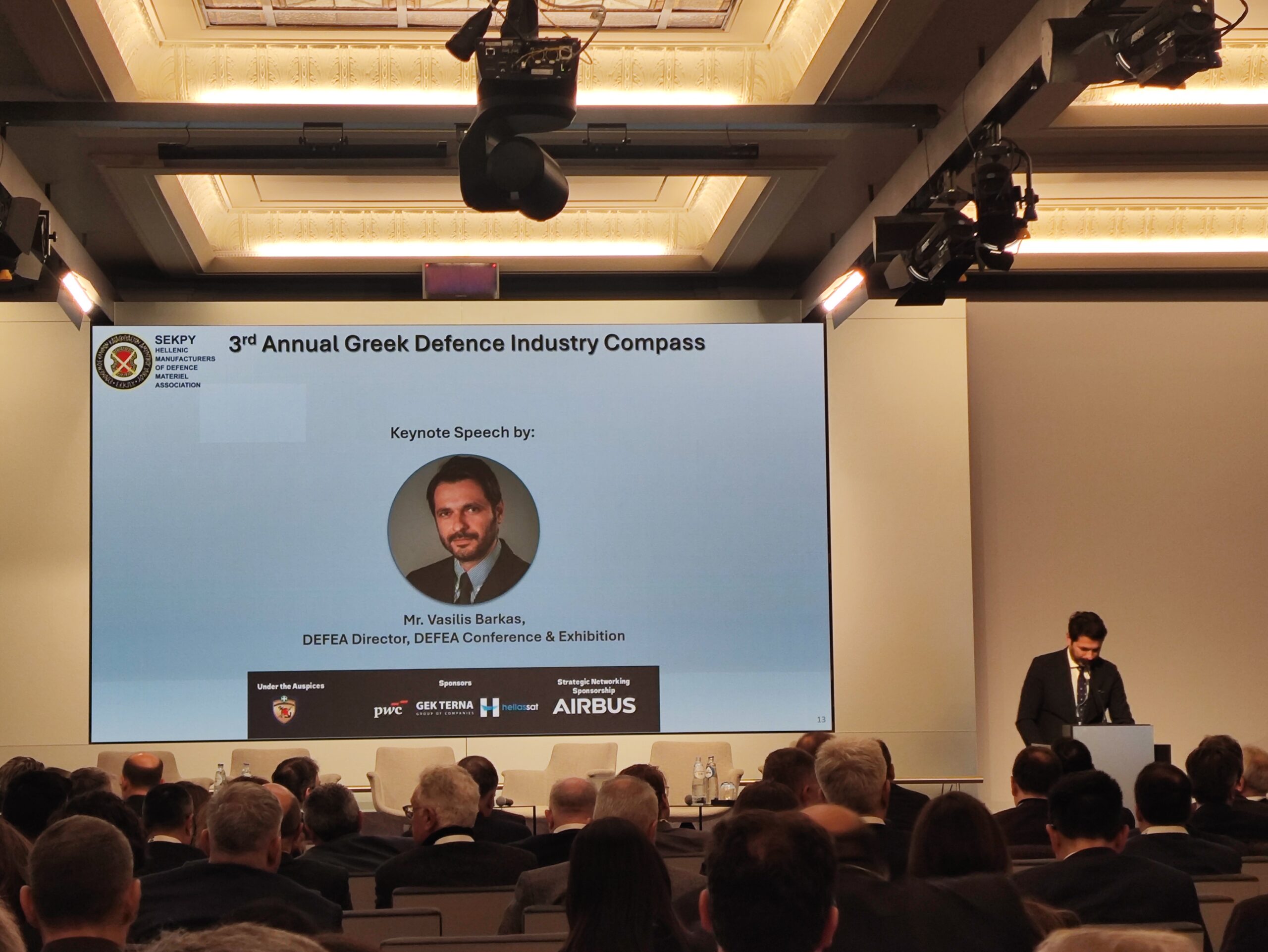
Vasilis Barkas introduced the DEFEA experience including the DEFEA conference taking place in May of 2026 and the DEFEA exhibition in May of 2027. Both of which provide significant and meaningful opportunities to network and learn more about defence readiness and military mobility.
An important milestone was the signing of a MoU between SEKPY and PwC Greece, which establishes a framework for cooperation on issues of defense economics, industrial strategy, regulatory compliance, and European financial instruments.
DEFEA Experience Presentation
A key highlight was the presentation of the DEFEA Experience by Vassilis Barkas, Director of DEFEA – Defence Athens Exhibition, showcasing the international momentum of the Greek defence industry and its connection with leading European and international forums. This segment underscored how DEFEA has positioned Greece on the international defence exhibition map.
Thematic Panels and Substantive Discussions
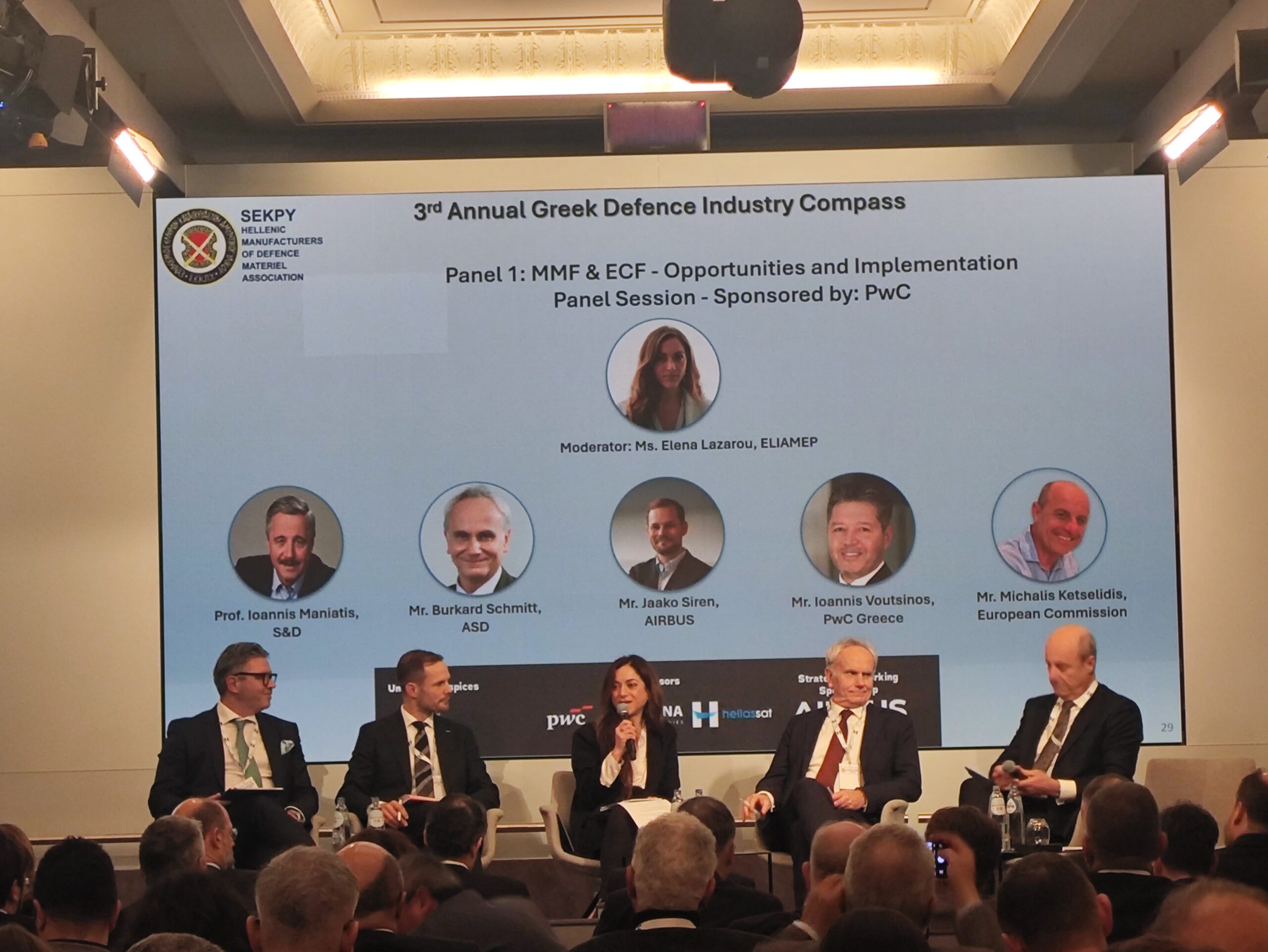
The conference featured in-depth thematic panels offering practical insights and strategic orientation:
EUDIMA’s Engagement
As an independent consultancy with expertise in EU funding mechanisms and cross-border defence cooperation, EUDIMA’s participation focused on:
Looking Forward
The success of the 3rd edition confirms the event’s institutional role within the European defence calendar. The Greek Defence Industry Compass has become an essential touchpoint for stakeholders seeking to engage with Greek defence capabilities and explore cooperation opportunities within the European framework.
EUDIMA’s participation in the 3rd Annual Greek Defence Industry Compass reflects our commitment to supporting Greek defence industrial integration into European programmes and facilitating partnerships that leverage our expertise in EU funding mechanisms and cross-border defence cooperation.
We thank SEKPY for organizing this excellent platform and providing Greek defence industry with enhanced visibility and connectivity within the European defence ecosystem.