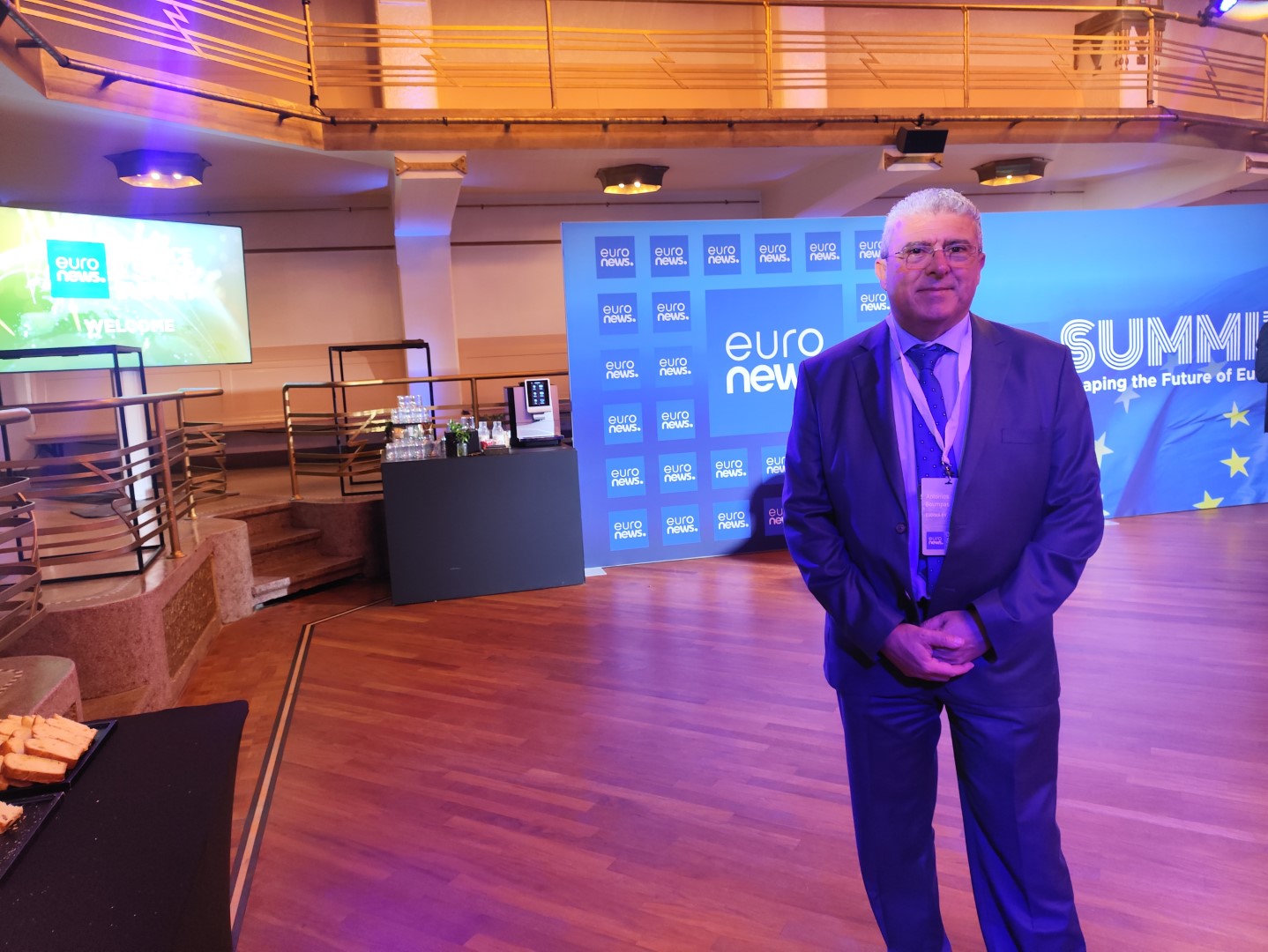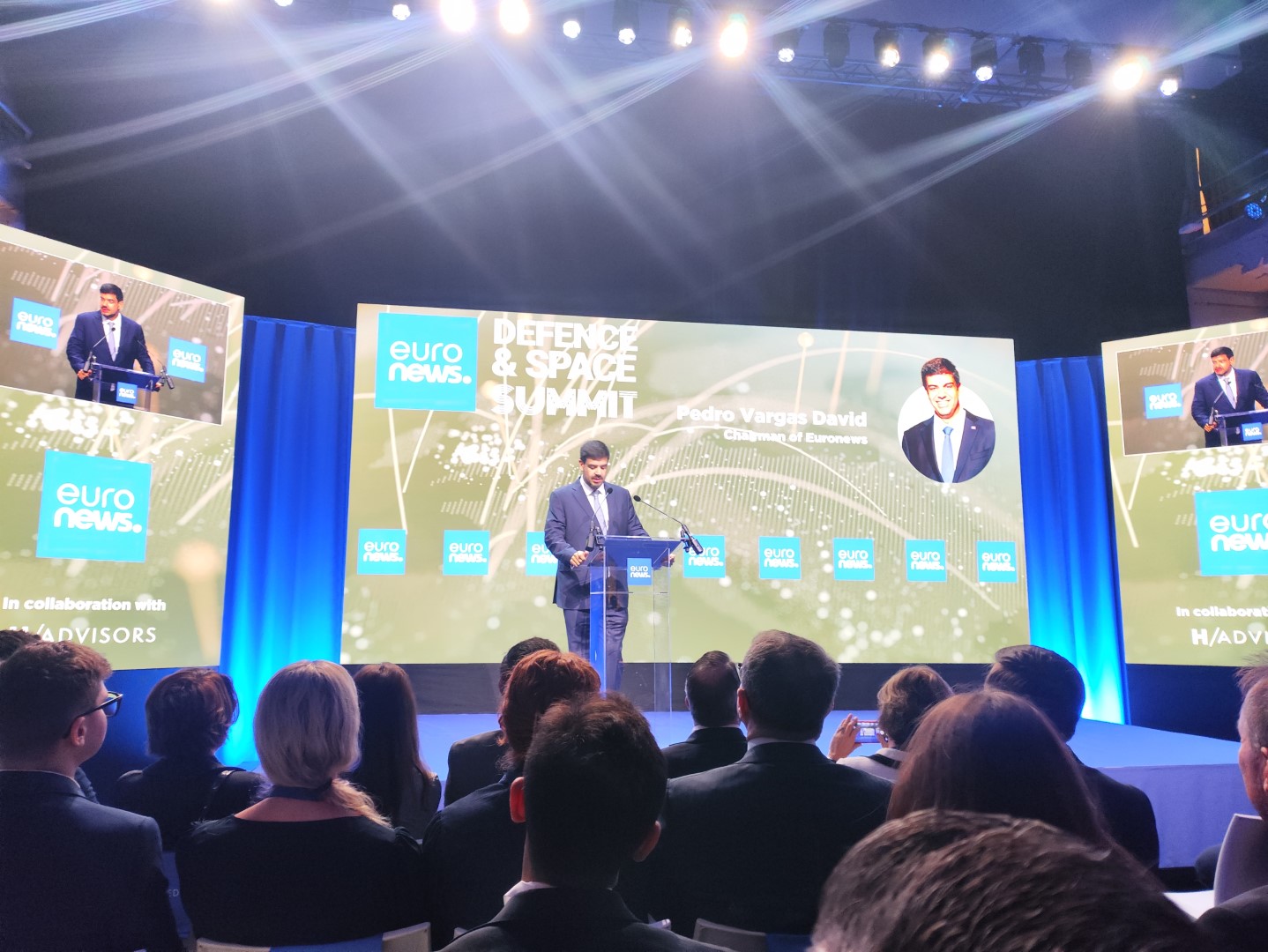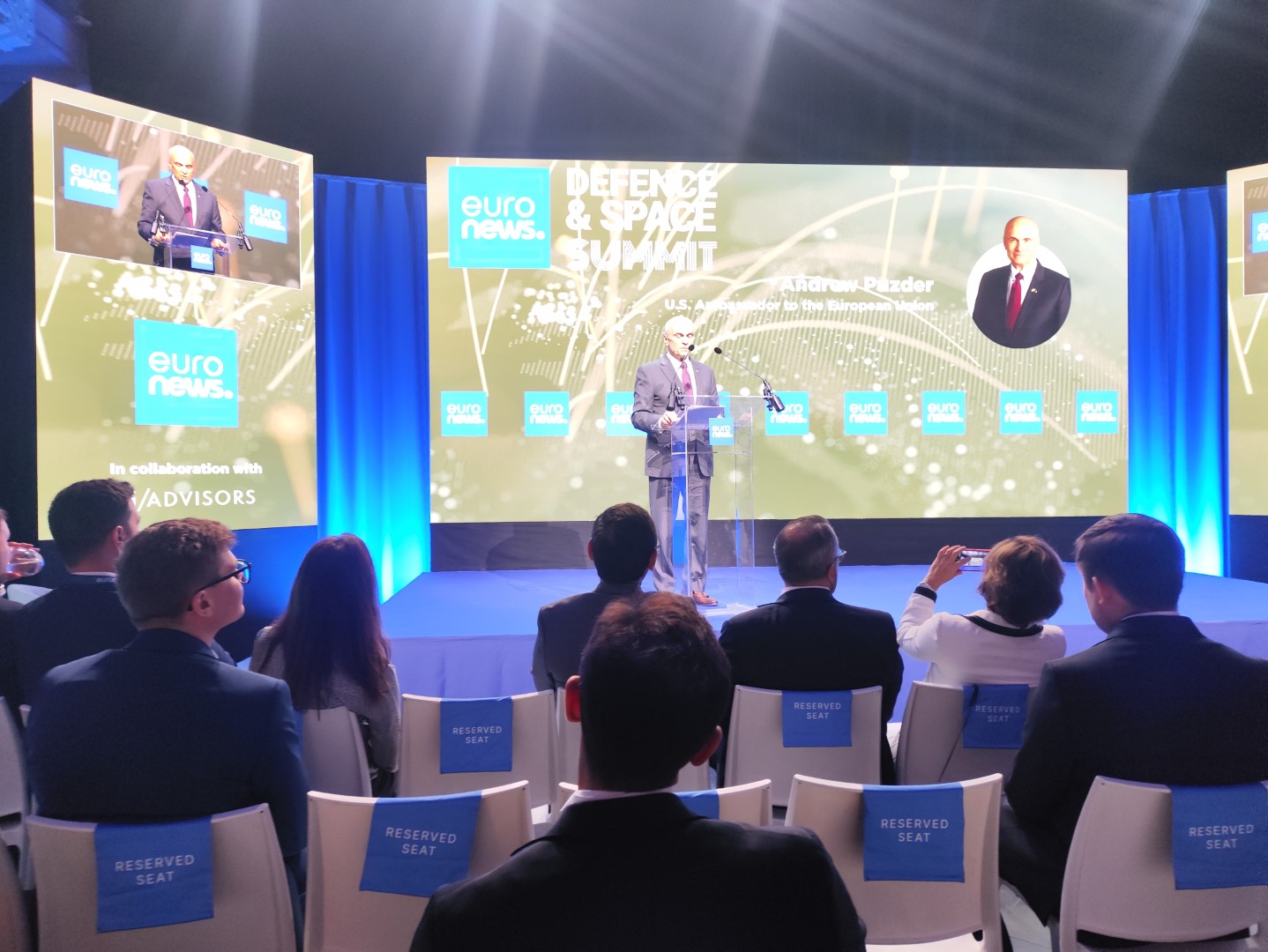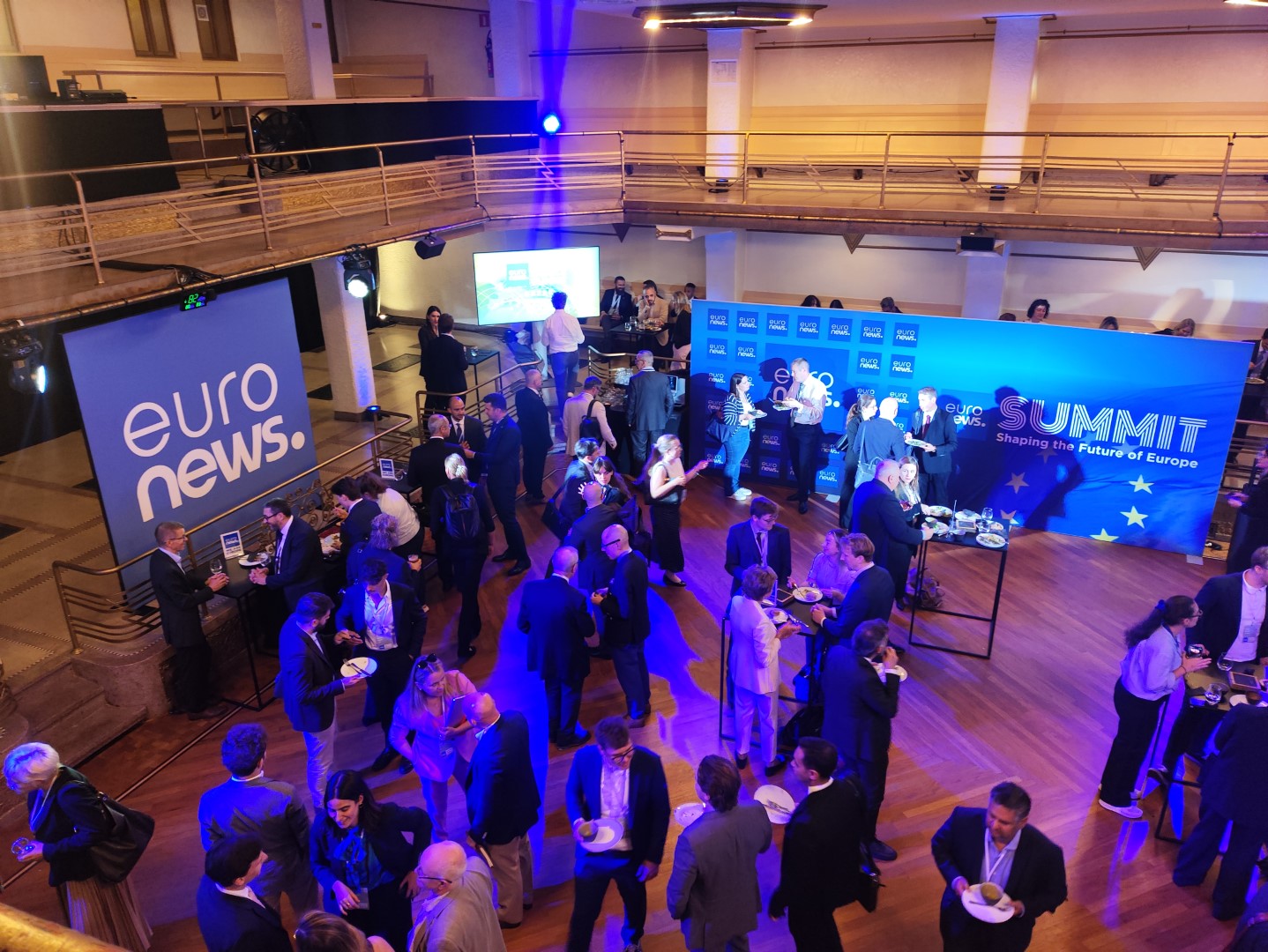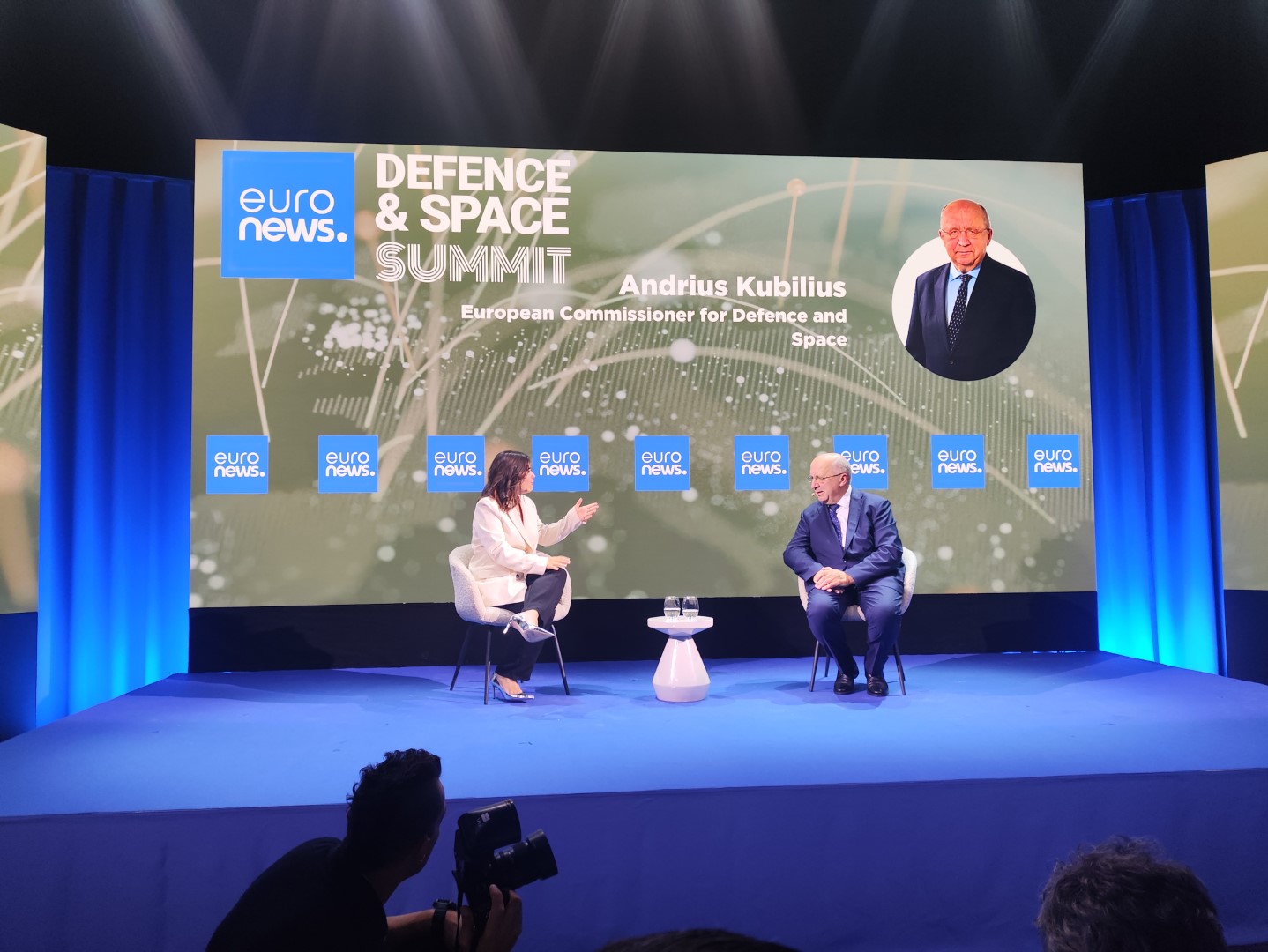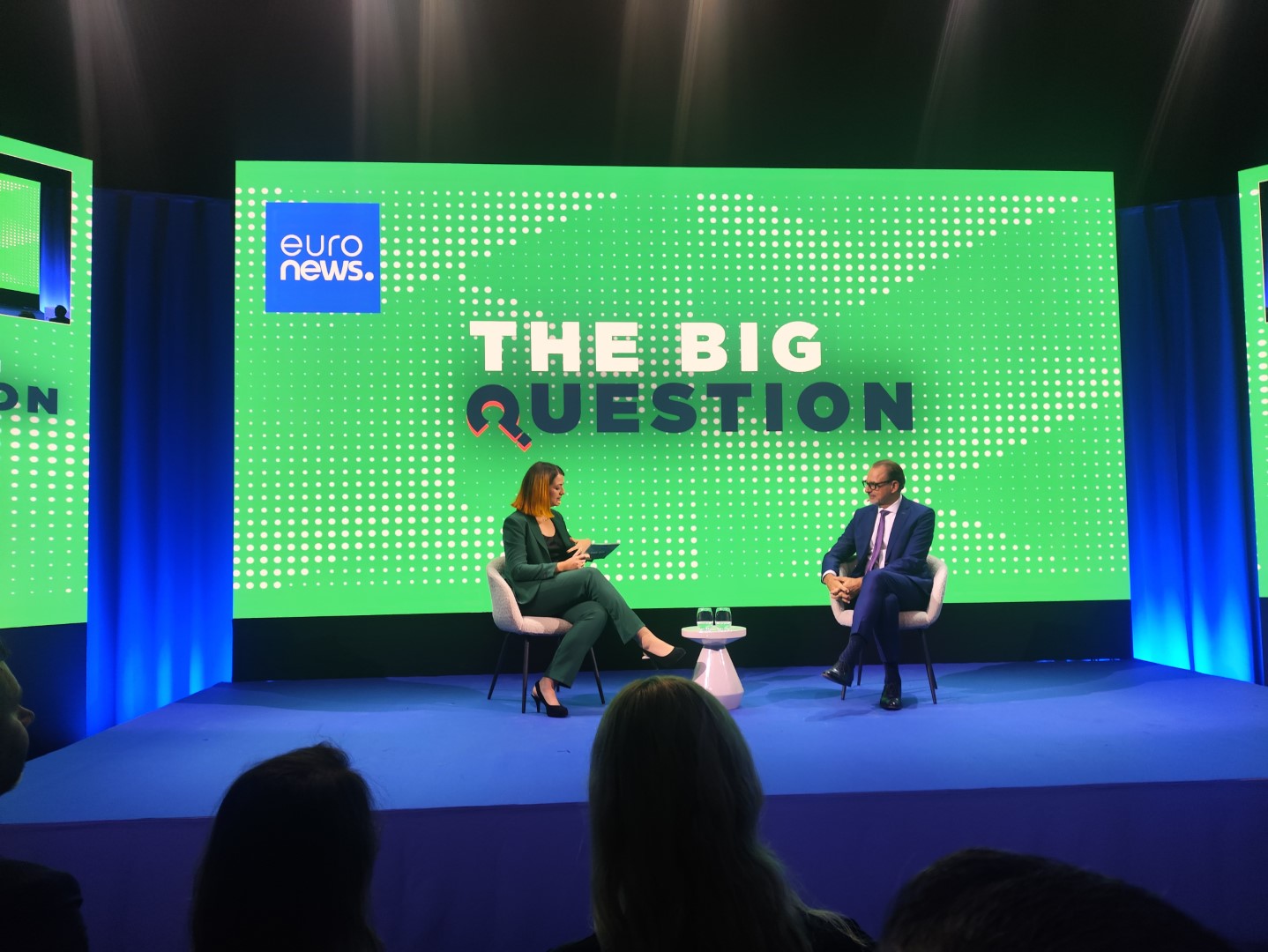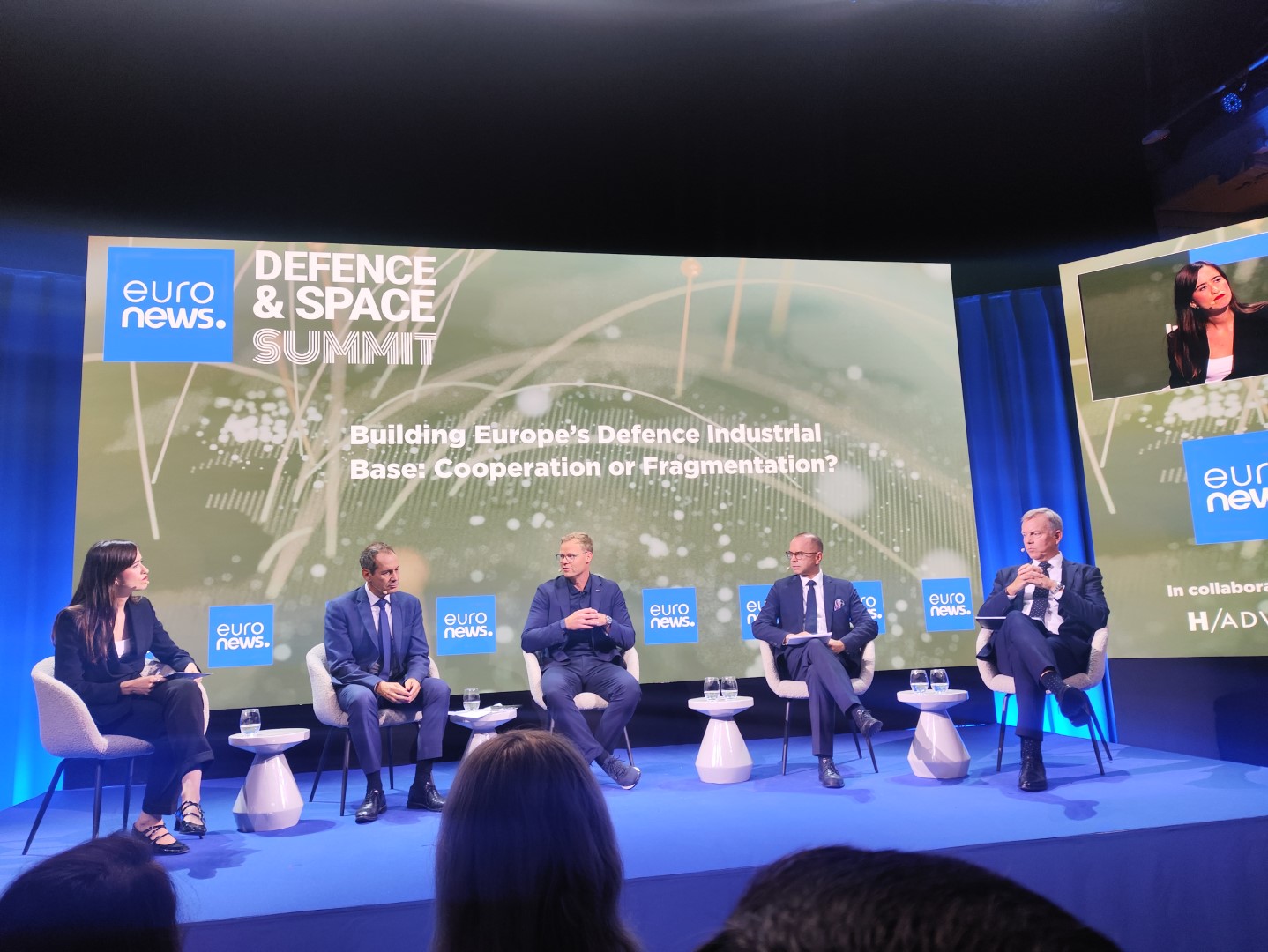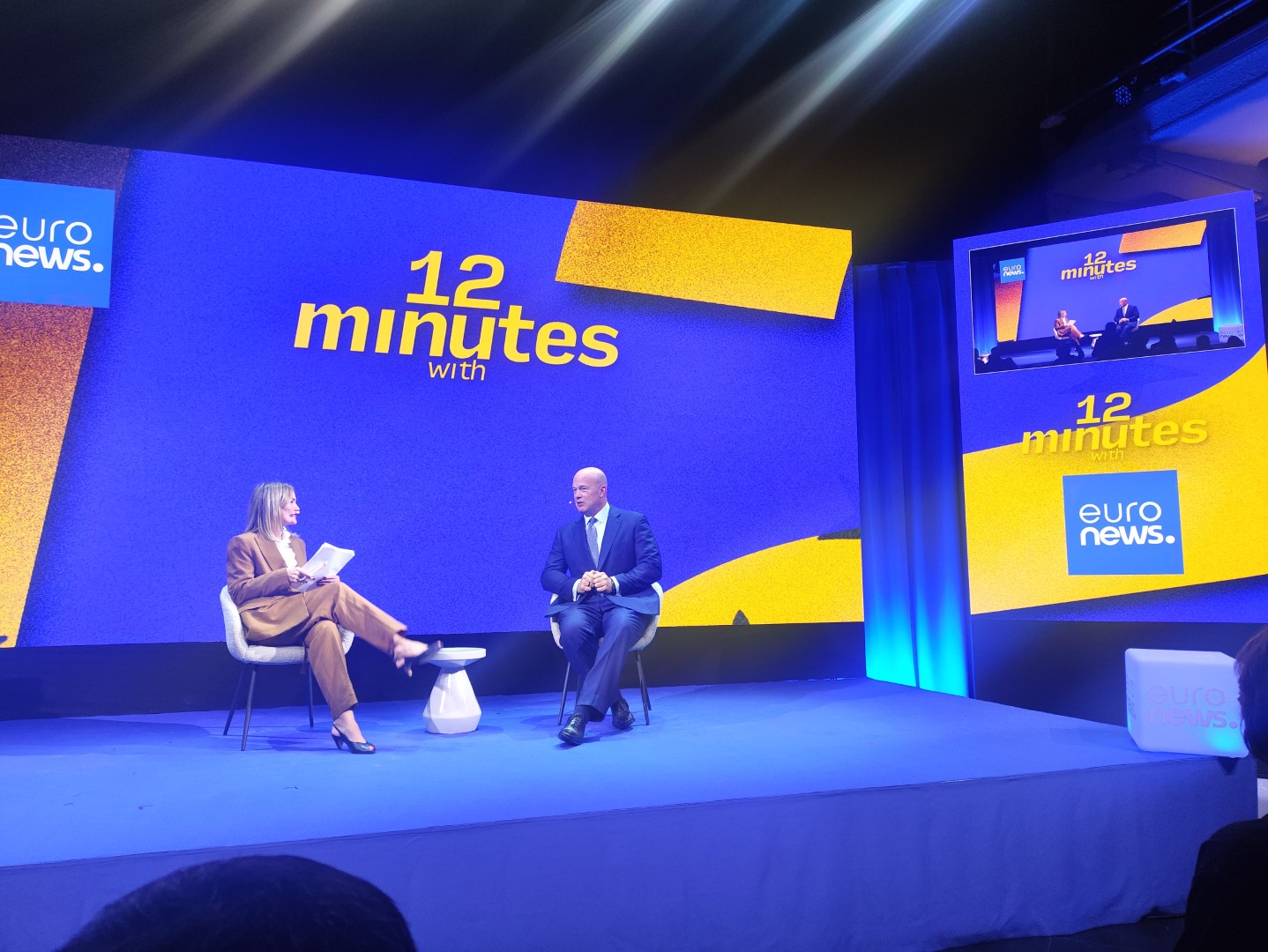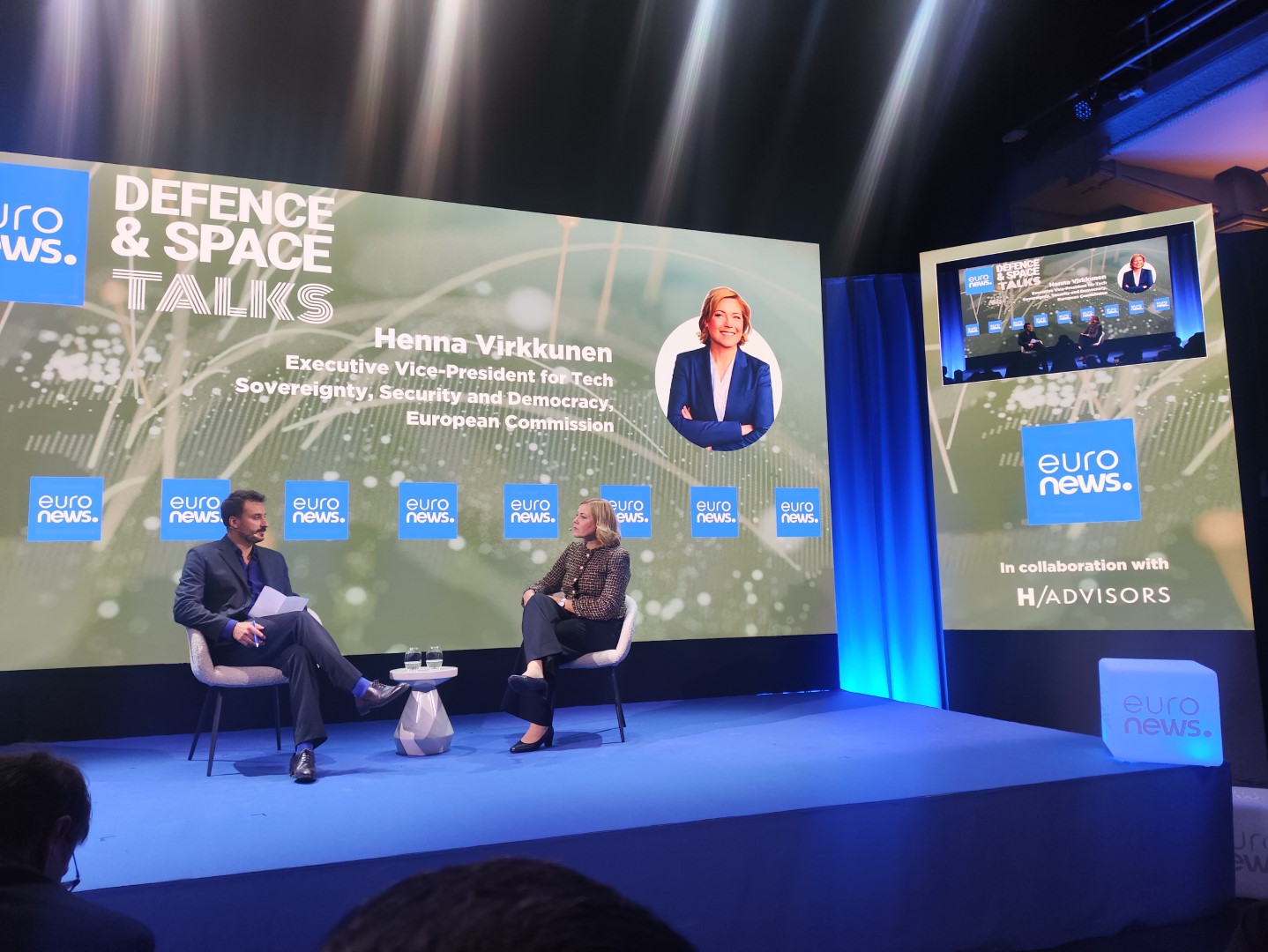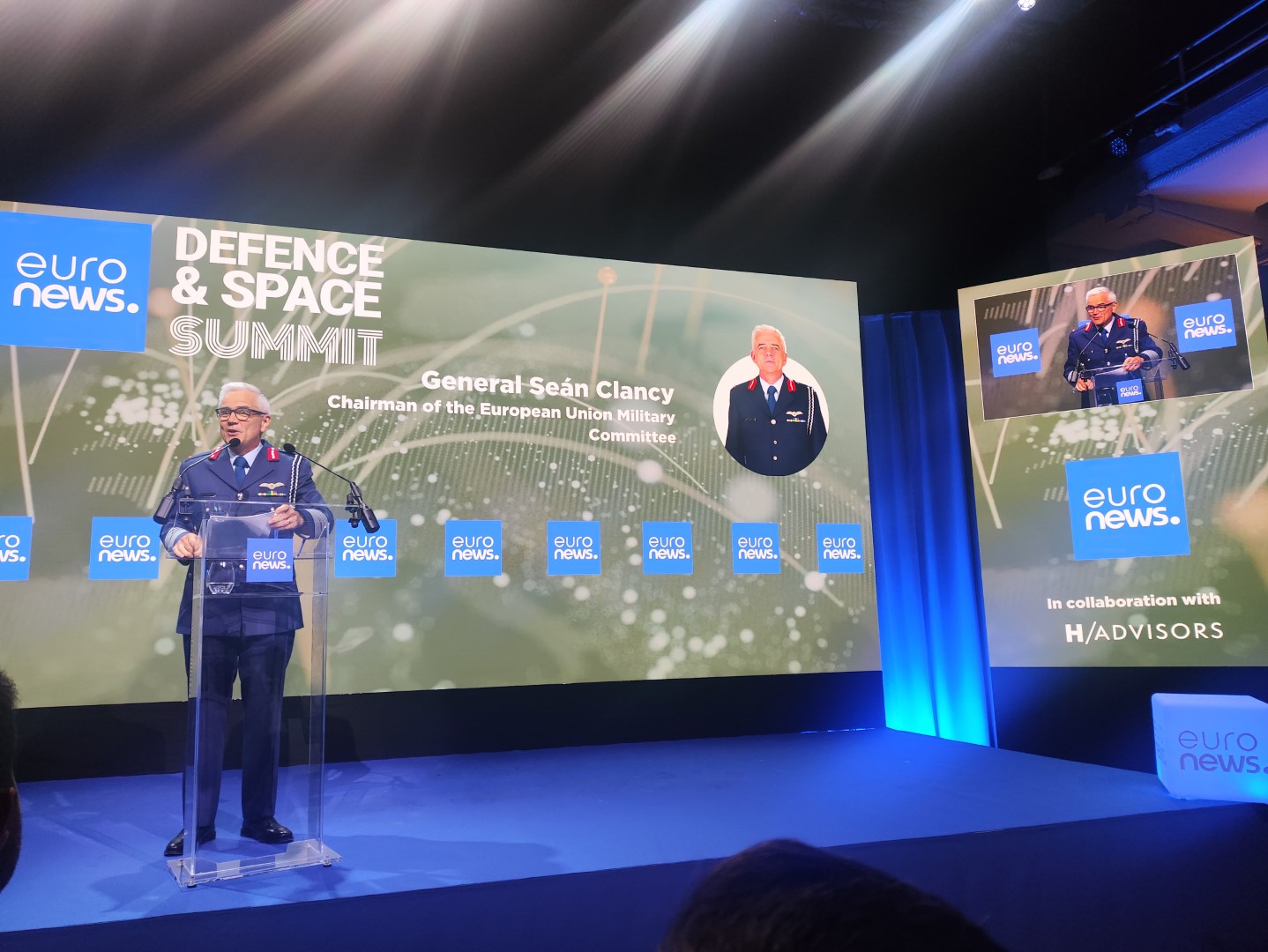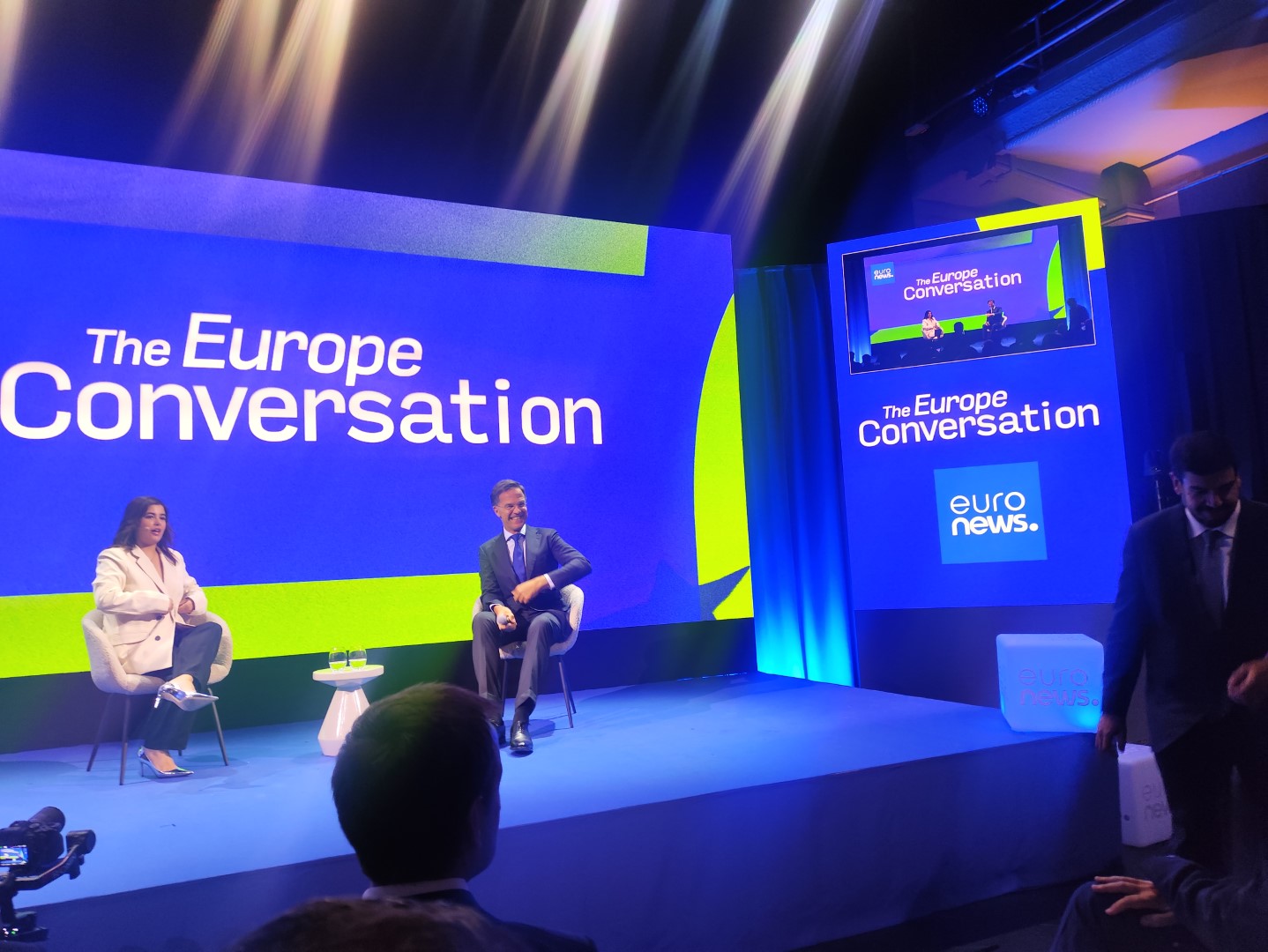
Europe’s defence debate is moving from how much to spend to whether industry can deliver, and under what rules. That was the thread running through the Euronews Defence & Space Summit 2026, held on 30 September 2026 at Albert Hall in Brussels, the first edition of the event according to Euronews. Built around readiness, resilience, innovation and strategic cooperation, the one-day programme brought together ministers, a European Commissioner, the NATO Secretary General, military chiefs, Members of the European Parliament and industry leaders.
Competing Readings of the Threat
Mark Rutte, Secretary General of the North Atlantic Treaty Organization (NATO), addressed Russian nuclear signalling, which Reuters had reported in a document sent to the Alliance. He told Moscow to stop the nuclear threats, while insisting that NATO faces no immediate threat to its territory and would defend every inch of it. Earlier in the day, Rumen Radev, Prime Minister of Bulgaria, had argued that the strategy of supporting Ukraine had not delivered peace. He called for greater diplomatic engagement with the Kremlin and warned that the nuclear risk belongs in Europe’s strategic calculations.
Andrius Kubilius, European Commissioner for Defence and Space, rejected that approach. In his view, Russia’s diplomatic position amounts to Ukraine’s surrender, and Europe’s answer to hybrid attacks should be felt in Moscow as keenly as the attacks are felt in Europe. His formula was that a hybrid war requires a hybrid defence. The backdrop was concrete: Estonia has accused Russia of an arson attack on a drone maker supplying Ukraine, and Germany has attributed an attempted drone attack on Ukrainian cargo planes at Leipzig/Halle Airport to Moscow. These were positions voiced by the speakers, and the contrast between them was one of the most instructive aspects of the day.
Air Defence, Stocks and Speed
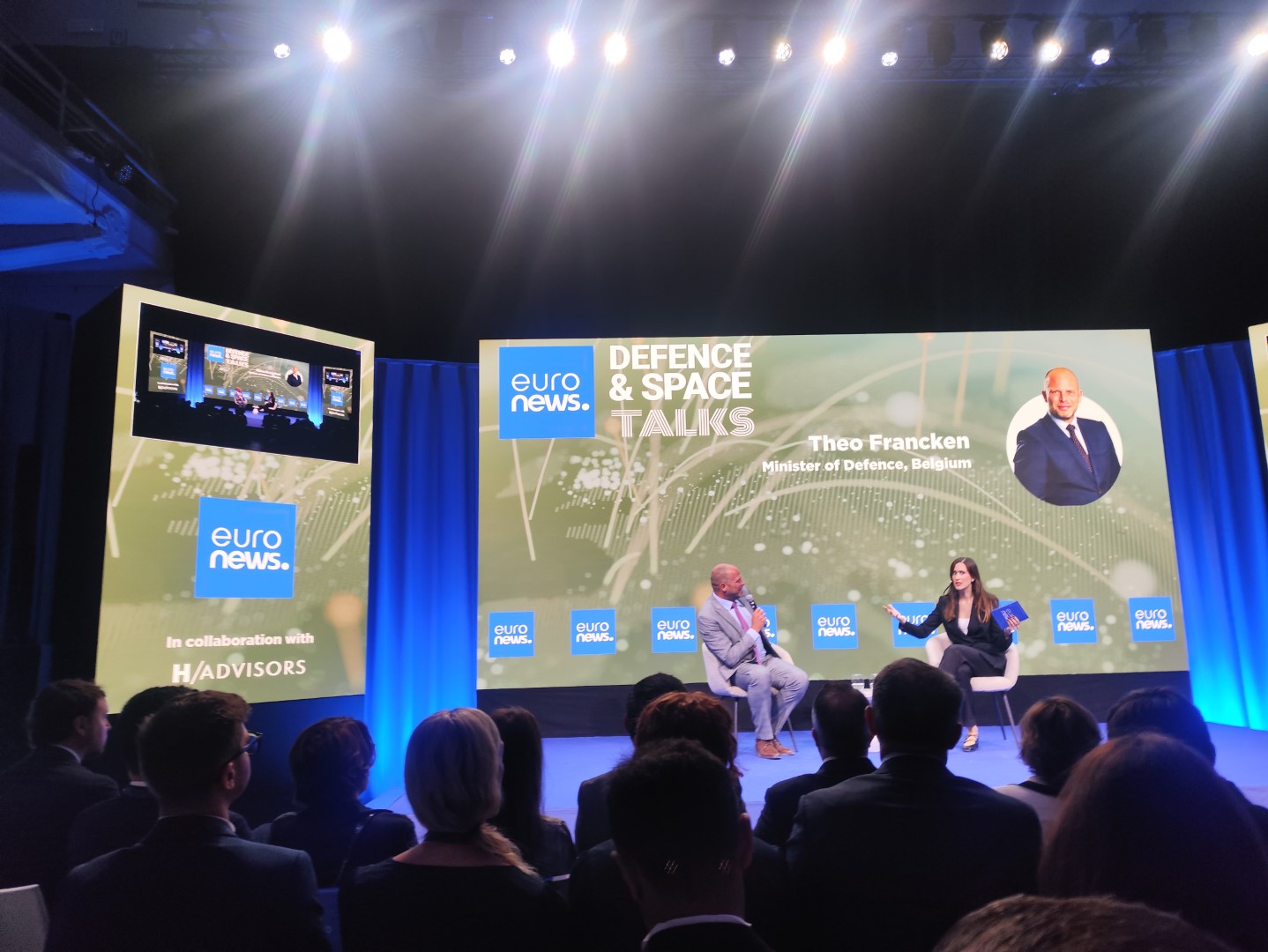
Theo Francken, Belgium’s Minister of Defence, brought the discussion down to capabilities. He warned Europe to brace for a winter of intensifying hybrid interference and named Russian air attack as the main threat, which in his words demands air defence, air defence, air defence. More stocks, more production and a broader industrial base, he argued, all have to come faster. He also cautioned against holding vast stockpiles of drones that technology may overtake within months, and suggested that Europe should draw on Ukrainian battlefield experience.
Francken was candid about Belgium’s own record. Defence spending was around 1% of GDP, a level that has since doubled, but he stressed that decades of neglect cannot be repaired in 18 months, and that reaching 5% of GDP is not realistic for Belgium in the near term given its budgetary position. Rutte reinforced the production theme from the Alliance’s side, pointing to Ukraine’s need for air defence interceptors that neither European nor American factories can currently supply in sufficient numbers.
Made in Europe, Made in NATO, or Simply Made?
The most politically charged exchange concerned European preference in defence procurement. Andrew Puzder, United States Ambassador to the European Union, criticised the push for “Made in Europe” rules and proposed a “Made in NATO” approach, arguing that capability and availability, not geography, should decide when lives are at stake. Matthew Whitaker, United States Permanent Representative to NATO, struck a more reassuring note, saying Washington remains engaged in Europe while asking allies to step forward.
Rutte called the dispute a discussion of luxury, since the money exists but Europe’s defence industrial base is not producing enough, and the US faces the same constraint. Riho Terras, a Member of the European Parliament (EPP) and former general, said European industry is not yet ready to produce at the required speed, and favoured buying the best and cheapest capabilities regardless of origin. Camille Grand, Secretary General of the Aerospace, Security and Defence Industries Association of Europe (ASD), stressed the multiple tasks facing industry and the EU’s role in reducing dependence on US manufacturers.
These positions matter because origin rules are already embedded in EU instruments. The Security Action for Europe (SAFE) instrument, the first pillar of the ReArm Europe Plan/Readiness 2030, provides up to €150 billion in loans and requires at least 65% of component costs to originate in the EU, the EEA-EFTA states or Ukraine, as set out in this European Parliament analysis. The European Defence Industry Programme (EDIP) caps the cost of components from outside the EU and Norway at 35%, as we reported from the EDIP Info Day in Athens. The summit showed how far the question of what “European” means in practice remains open, and how divided capitals are, with France seeking a strict preference and Germany a more open approach.
Financing the Surge
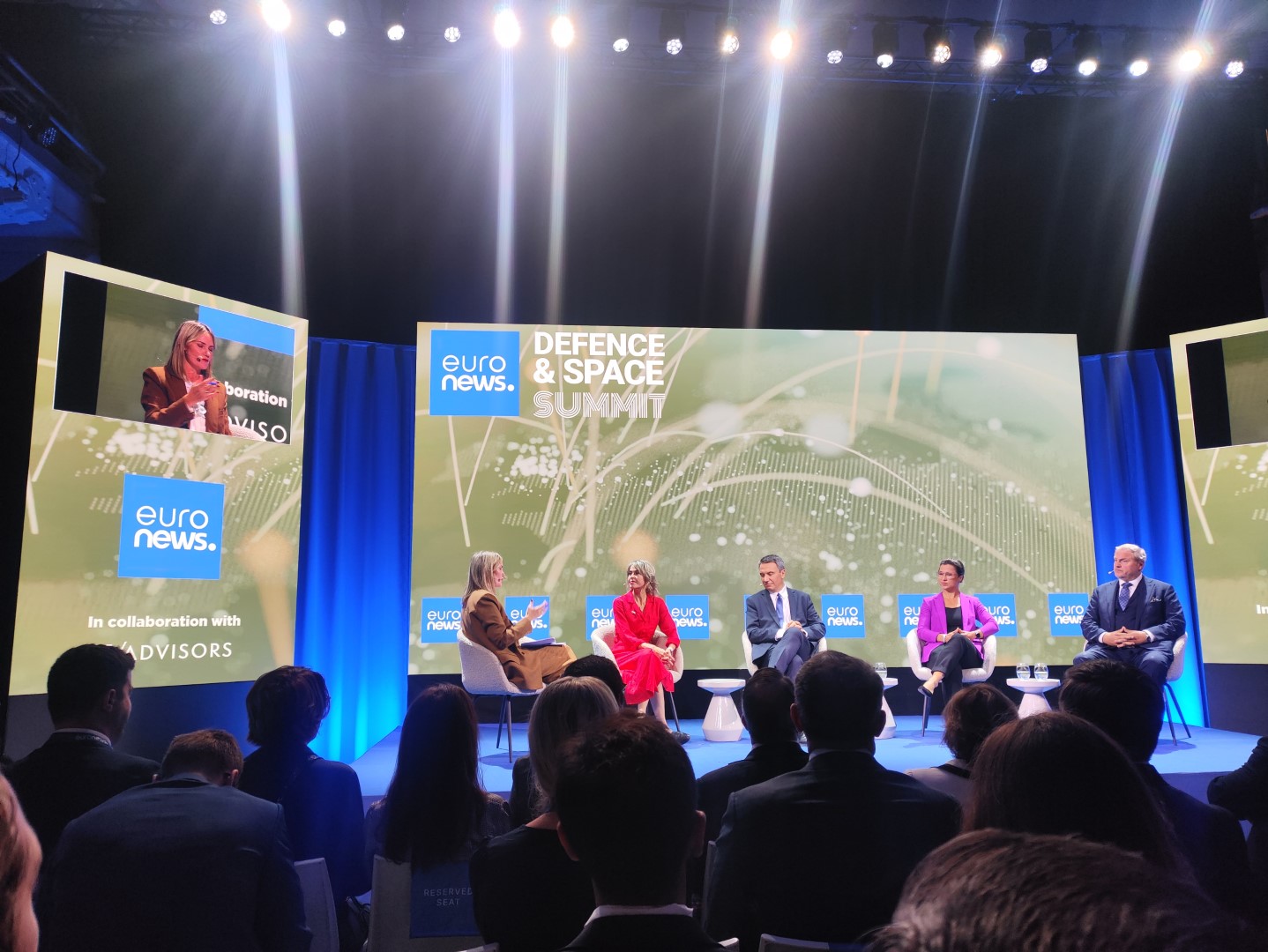
The morning panel on defence financing and EU funding brought the industrial question together with the fiscal one. Moderated by Euronews’s Shona Murray, it included Hannah Neumann, Member of the European Parliament (Greens/EFA), and Lorena Boix Alonso, Deputy Director-General for Space at the European Commission’s Directorate-General for Defence Industry and Space (DG DEFIS), alongside Terras and Grand. All agreed that Europe must spend more and coordinate better, but they diverged on how to reach the 5% of GDP target agreed within NATO.
Grand illustrated the cost of past underinvestment: had Germany spent 2% of GDP on defence over the past two decades, it would have spent some €400 billion more. Neumann argued for cross-border projects and a common strategy rather than 27 national efforts, and warned that if industry profits are seen as disproportionate, a windfall tax on defence companies may enter the debate. Terras pointed to a perception gap, saying that in parts of Europe, Spain among them, citizens do not believe a Russian threat is imminent, which complicates the political case for higher spending.
Space, Cyber and Innovation on the Agenda
Alongside the political debates, the programme gave dedicated sessions to space, cyber resilience and battlefield innovation. Speakers included Josef Aschbacher, Director General of the European Space Agency, Henna Virkkunen, Executive Vice-President of the European Commission for Tech Sovereignty, Security and Democracy, Anders Sjöborg, Deputy Chief Executive of the European Defence Agency, and Ari Kristinn Jónsson, President of the NATO Innovation Fund. Their presence reflected how closely defence, space and digital sovereignty are now treated as parts of a single readiness agenda.
EUDIMA’s Perspective
For EUDIMA, the summit offered a close view of the arguments shaping the environment in which clients operate, and the conversations on the margins added useful context from across the Brussels defence community. Three takeaways stand out. Industrial readiness, meaning the capacity to produce, scale and deliver, is becoming as decisive as technological quality. Rules on origin and eligibility are not a technicality but a strategic variable that determines who can access SAFE, EDIP and future instruments. And small and medium-sized enterprises will increasingly be judged on their position within European supply chains. Advising on EU and NATO funding therefore means reading the money and the politics together, which is what EUDIMA brings to its work in strategy and funding.
Delivery Is the Test
The summit’s clearest message was that Europe’s rearmament will be judged less by what is announced than by what is delivered, and by whom. The coming weeks will test that, with the next EDIP deadline for missiles, ammunition and bombs falling on 13 October 2026 and the discussions on the next EU budget continuing. EUDIMA thanks Euronews for a timely and substantive summit.